



Georgian Copper Boiler
A georgian copper boiler brings heavy-gauge metalwork and practical warmth directly into modern rooms.
Georgian Copper Boiler
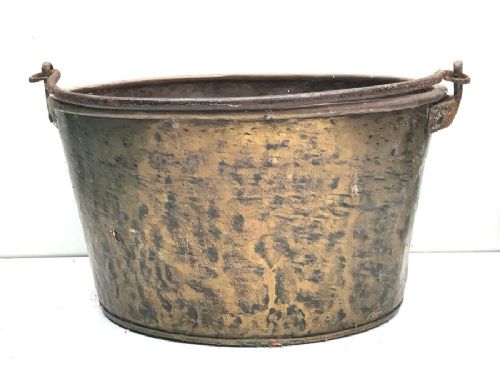
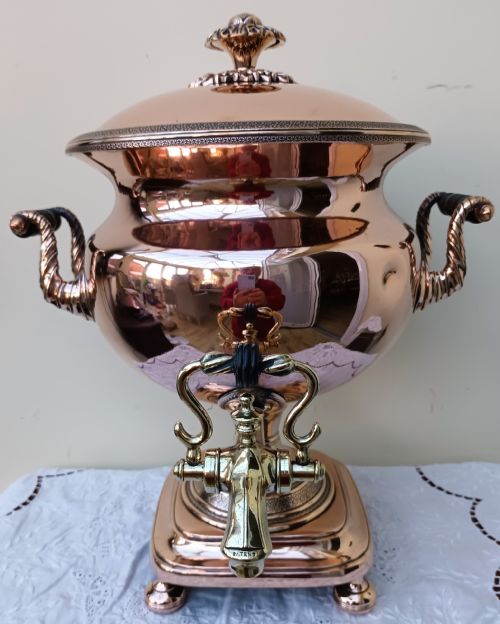
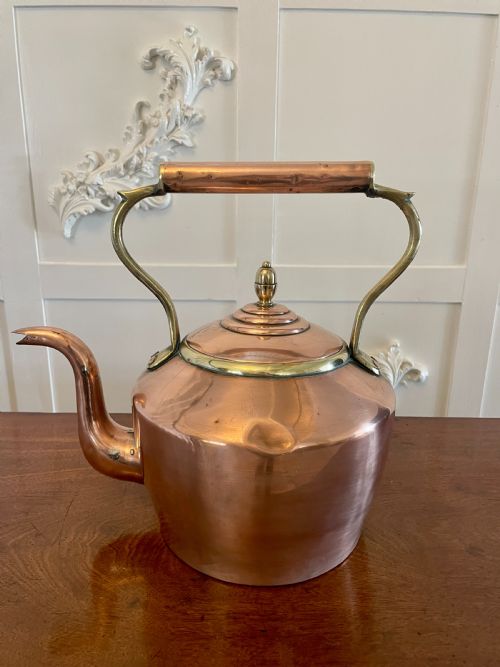
A georgian copper boiler sits firmly in the domestic history of the eighteenth and nineteenth centuries, taking the form of large cauldrons, kettles, samovars, and pans. These vessels served essential functions in daily food preparation, laundering, and water heating before the arrival of modern plumbing.
Buyers browsing this selection will most frequently encounter sturdy copper kettles and large cauldrons dating from the George III period and the wider Georgian era. These utilitarian items carry the rich marks of heavy use, often reinforced with iron and brass fittings.
The objects span from the eighteenth century into the Victorian era, reflecting a continuous tradition of British metalworking. Their scale ranges from compact tea vessels to large oval shapes designed for hearths and stoves.
How they were made
The primary construction relies on heavy hand-beaten copper sheets joined securely with visible rivets to withstand high heat and intense daily pressure. Smiths shaped these thick metal plates over anvils, creating robust walls designed for longevity.
Makers integrated wrought iron handles, iron suspension bars, and brass accents to strengthen the heavy vessels against repeated lifting. These mixed metals provide structural stability where the copper alone might flex under heavy loads of boiling water.
Some large cauldrons spent centuries suspended over soot-blackened hearths, quietly collecting enough history to outlast the houses that built them.
What varies in quality
Quality rests heavily on the thickness of the original copper plate and the integrity of the riveted joints. Thicker metal holds its form better under sustained heat, while cleaner riveting indicates higher competency in the workshop.
The presence of original brass and iron fittings without modern replacement parts elevates the integrity of a piece. Well-preserved surface patination untouched by over-polishing preserves the true character of the metal.
The Georgian Copper Boiler Glossary
- Cauldron
- A large metal pot with a wide mouth used over an open fire for boiling liquids. These deep vessels formed the centre of historical domestic hearths.
- Samovar
- A heated metal container traditionally used to boil and heat water for tea. These elaborate vessels feature internal heating tubes and spigots.
- Riveted
- Joined together using metal pins hammered flat to secure overlapping sheets. This technique provided the necessary strength for holding heavy volumes of boiling water.
- Patina
- The surface sheen and oxidation built up over centuries of exposure to air and handling. This natural layer distinguishes older metalwork from modern reproductions.
Georgian Copper Boiler: Frequently Asked Questions
How were these boilers used?
These vessels were placed directly on hearths or stoves to heat large volumes of water for washing, cooking, and tea preparation. Their substantial capacity made them central to daily domestic labour.
Over time, as household technology shifted, many of these heavy metal pieces transitioned from active kitchen tools to decorative fireside accessories.
How do I date a copper boiler?
Dating relies on examining the construction methods, such as the style of hand-beating and the formation of the riveted seams. Eighteenth-century examples often display irregular hand-hammered surfaces distinct from later Victorian manufacturing.
Material combinations also provide clues, as earlier pieces frequently utilise wrought iron for handles and fixings before brass became more widespread.
Can I use these for cooking?
Most antique copper vessels are collected primarily for display and historical appreciation rather than daily culinary use. Over centuries of service, the interior linings may have worn away.
Those wishing to cook with antique copper typically require specialised professional retinning to ensure the metal remains safe for food contact.
How do I clean old copper?
Light dusting and occasional gentle wiping with a soft cloth preserve the natural dark patination favoured by collectors. Aggressive chemical polishing strips away the historical surface character accumulated over generations.
Keeping the metal in a dry environment prevents active corrosion while maintaining the stable, rich tones of aged copper.