



Rustic Copper Fireplace Tub
A rustic copper fireplace tub brings honest warmth and weight to a hearth, holding fuel or planting green things with simple, enduring presence.
Rustic Copper Fireplace Tub
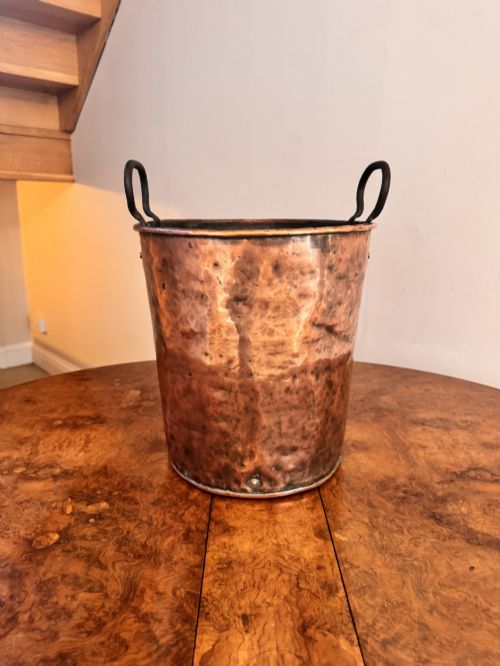
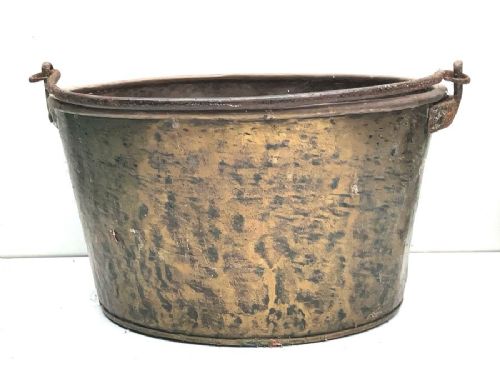
A rustic copper fireplace tub appears in forms such as log bins, planters, pots, and cauldrons designed for practical fireside use. These vessels serve primarily as sturdy log buckets or hearth containers, often repurposed over time as garden planters.
The pieces seen on this page span the eighteenth and nineteenth centuries, including Georgian and Victorian examples alongside French country styles. Buyers most commonly encounter nineteenth-century copper pots and log bins bearing the marks of honest age.
Rural utility dictates the shape of these items, which range from riveted buckets to deep lidded bins and heavy cauldrons. Each object combines functional metalwork with the robust character of rustic farmhouse living.
Materials and construction
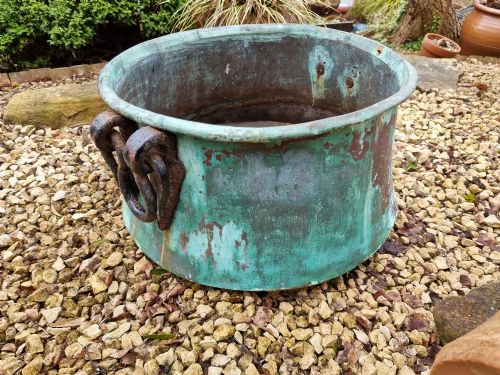
Construction relies heavily on hand-riveting, joining overlapping plates of copper with strong metal fasteners before smoothing the seams. Many pieces develop a natural verdigris finish over decades of exposure, adding varied surface tones to the beaten metal.
Rustic Copper Fireplace Tub Retail Price Guide 2026
Typical asking prices for rustic copper fireplace tub among the pieces listed under this phrase on Sellingantiques today, from the lower quarter to the upper quarter. They describe what is for sale here now, not the wider market.
Every heavy copper tub carries the quiet echoes of countless damp logs dragged indoors on cold winter nights.
Assessing quality and character
Quality rests in the weight of the copper and the integrity of the hand-hammered construction, distinguishing robust utility pieces from lighter decorative items. Strong iron mounts and secure riveted seams indicate a vessel built for demanding daily service near the hearth.
The depth of patination and the presence of original iron fittings elevate certain pieces, showing how age and use have burnished the metal. Simple, honest proportions without excessive ornamentation mark the finest examples of rural metalwork.
The Rustic Copper Fireplace Tub Glossary
- Verdigris
- A green patina or crust that forms naturally on copper and brass through long exposure to moisture and air. This chemical layer protects the underlying metal and signals genuine age.
- Riveted
- Joined together using metal pins hammered flat to secure overlapping sheets of material. This technique provided immense strength for heavy vessels before modern welding.
- Cauldron
- A large metal pot with a rounded bottom and an open top, frequently equipped with an iron handle for hanging or carrying. These vessels were historically used over open fires for cooking or boiling water.
- Log bin
- A deep container specifically sized for holding firewood near a hearth. They combine functional capacity with durable metal construction to withstand heavy logs.
Rustic Copper Fireplace Tub: Frequently Asked Questions
What were copper fireplace tubs used for?
These robust metal vessels originally served practical domestic roles around the hearth, holding firewood, carrying water, or boiling contents over an open flame.
Over the years, many of these heavy tubs found a second life as garden planters or decorative indoor plant pots, adapting their durable waterproof qualities to new uses.
How do I date an old copper tub?
Dating relies on observing construction details such as hand-riveted seams, the weight of the metal, and the style of iron mounts attached to the body. Earlier Georgian pieces often display different forming techniques compared to later Victorian counterparts.
Surface patination and tool marks left by the maker also offer clear physical clues regarding the century of manufacture.
Can I use these tubs outdoors?
Copper and iron naturally withstand the elements very well, making these antique vessels suitable for garden planters and patio displays. The metal will continue to weather and develop character when exposed to rain and soil.
Ensure proper drainage if planting directly inside the tub to protect the base from standing water.
How should I clean antique copper?
Most collectors prefer to leave the accumulated patination and natural verdigris intact, as these surfaces demonstrate genuine age and history. Gentle dusting with a dry cloth is usually all that is required for routine maintenance.
Avoid harsh chemical polishes that strip away the mellow tones built up over centuries of use.