




Large Copper Log Bin
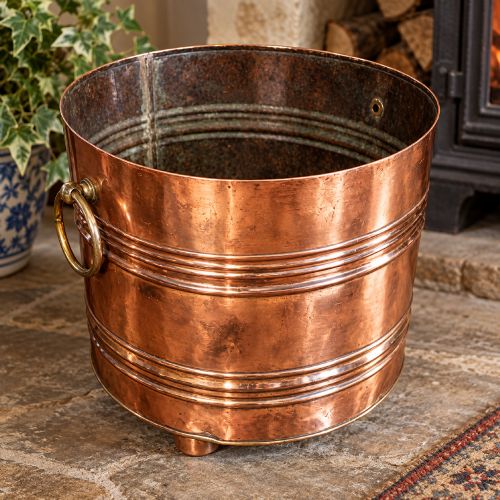
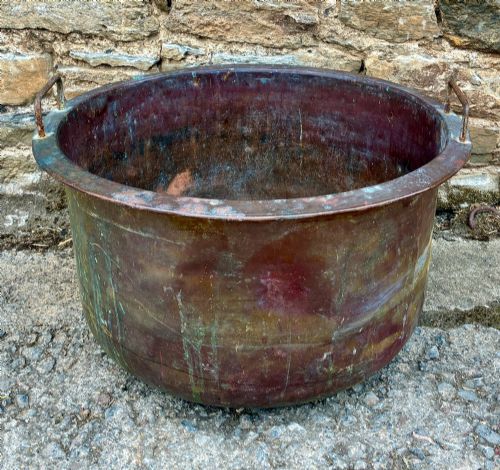
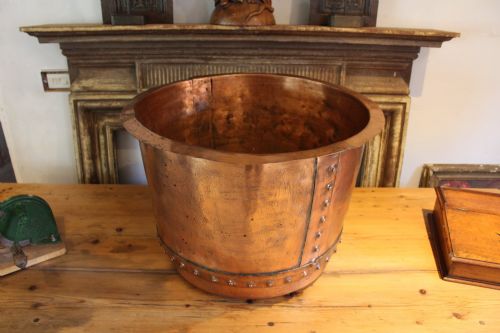
A large copper log bin brings functional hearthside warmth and rich metallic tone to a room, drawing the eye with its substantial proportions.

Large Copper Log Bin
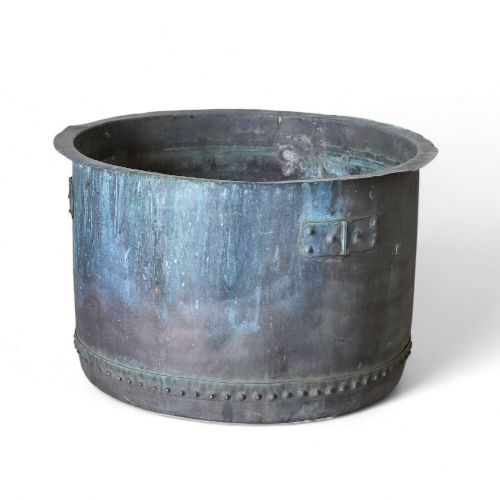
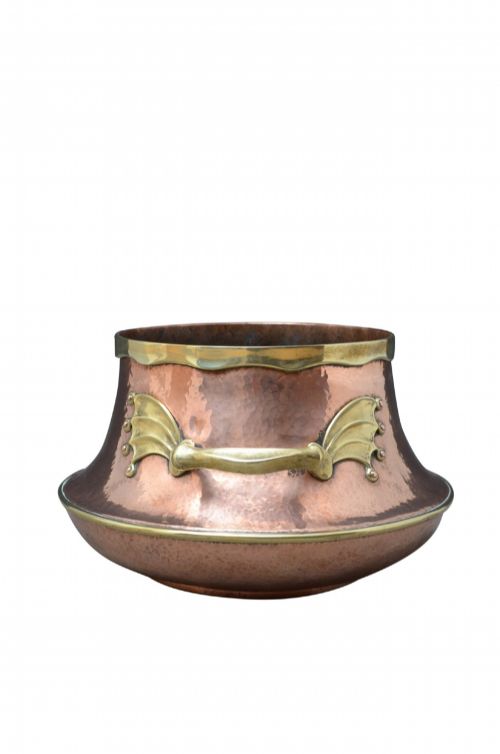
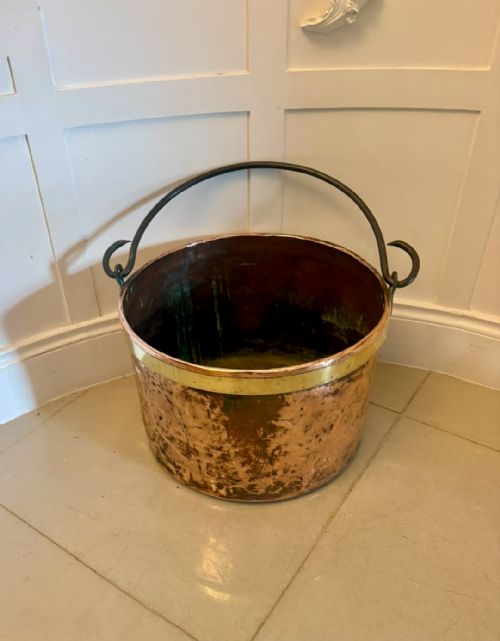
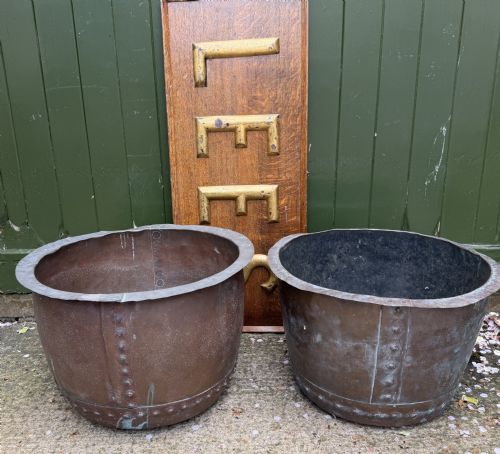
A large copper log bin is a substantial fireside vessel designed to hold fuel next to a hearth, though many examples double as garden planters or jardinières. When searching this phrase, buyers encounter robust containers originating primarily from the nineteenth century, alongside Georgian and early twentieth-century pieces.
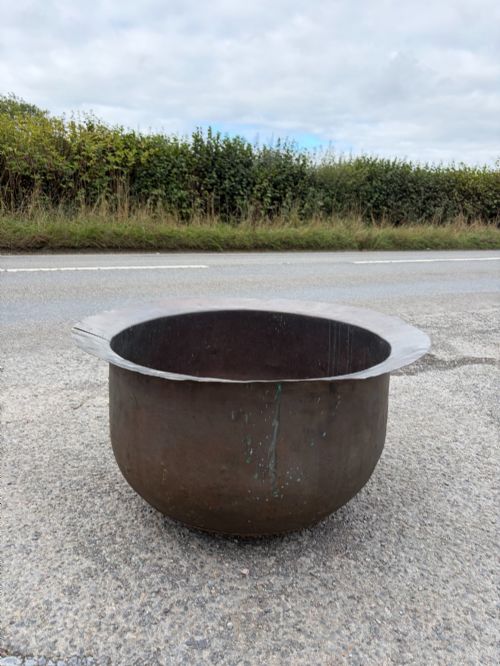
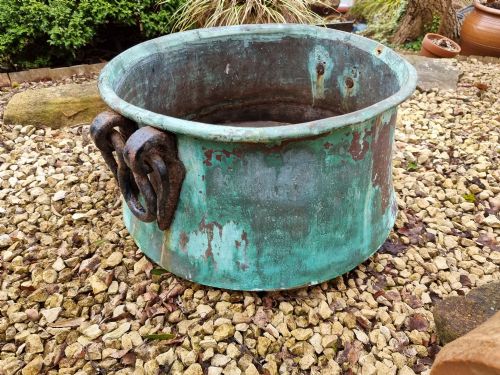
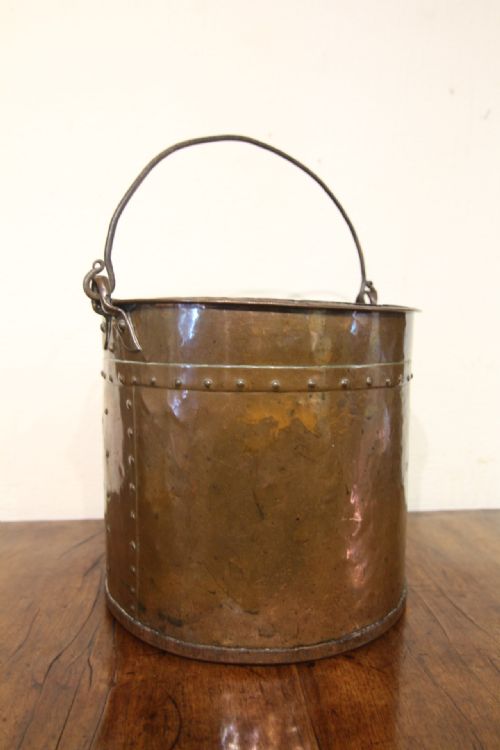
The most common form on this page is the heavy-gauge copper bucket or cauldron, often fitted with iron swing handles or brass mounts. These utilitarian objects transitioned from domestic and agricultural service into decorative interior pieces.
Beyond traditional buckets, the selection includes lidded pots, wash tubs, and vessels mounted on original iron frames. Their generous scale makes them practical for storing firewood while anchoring a room's decorative scheme.
What varies in quality
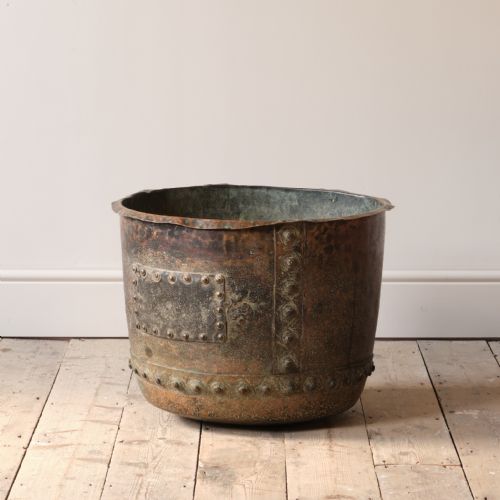
Quality rests upon the gauge of the metal and the integrity of the original construction, with heavier copper bodies resisting dents and holding their structural form over centuries. Pieces retaining their authentic iron handles, riveted seams, and untouched surface patination command greater interest.
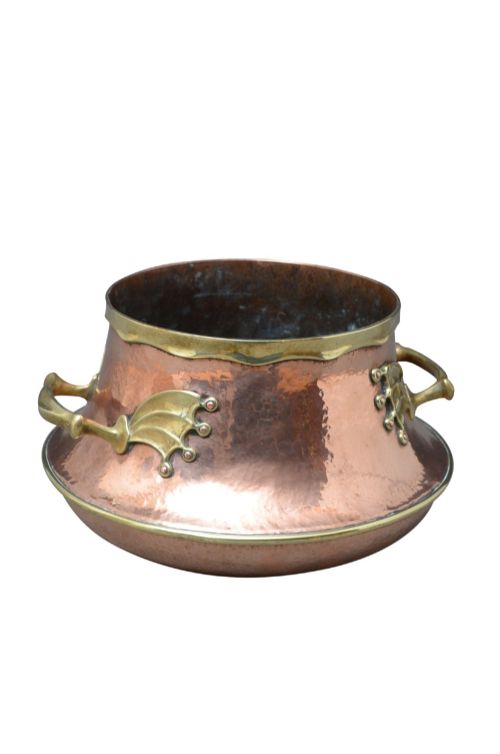
Proportion and decorative restraint separate standard utility vessels from exceptional country house examples. The presence of makers' marks or sophisticated brass and iron mountings elevates the stature of an individual piece.
Listings feature nineteenth-century items alongside Georgian and early twentieth-century examples, constructed from copper, brass, wrought iron, and tin.
Henry Loveridge and Co
The Large Copper Log Bin Glossary
- Verdigris
- A green patina formed naturally on copper or brass through atmospheric exposure over long periods. This surface layer indicates genuine age and chemical interaction with the environment.
- Cauldron
- A large round-bottomed metal pot with an open top, traditionally used over fires for boiling or heating. In a domestic interior, these heavy vessels serve well for bulk log storage.
- Jardiniere
- An ornamental pot or receptacle designed to hold plants or flowers indoors. Many historical copper containers share this form alongside their use as fuel bins.
- Dinanderie
- Objects made of beaten brass, copper, or bronze, named after the Belgian town of Dinant famous for metalworking. This term describes decorative vessels worked with surface patterns.
- Patina
- The surface sheen and colour acquired by copper through handling, age, and exposure to elements. A rich natural skin enhances the visual depth of antique metalwork.
Large Copper Log Bin: Frequently Asked Questions
What were large copper log bins originally used for?
These large copper vessels initially served practical roles in domestic, agricultural, or industrial settings as boiling coppers, grain measures, and water barrels. Households subsequently adopted them by the hearth to store and carry firewood.
Over time, their durability and metallic appearance transitioned them from utilitarian storage into prominent decorative accessories for grand country houses and domestic interiors alike.
Can I use an antique log bin outside as a planter?
Many historic copper vessels share forms with garden planters and jardinieres, making them robust candidates for outdoor botanical displays. Their natural metal construction withstands exterior placement while developing further surface character.
Gardeners frequently position them on patios or lawns to hold large plants, utilising their generous proportions and stable iron or brass mounts.
How do I clean a copper log bin without ruining the patina?
Preserving the historic surface requires avoiding harsh chemical polishes that strip away decades of accumulated tone and verdigris. Gentle dusting and wiping with a soft, dry cloth maintain the metal without erasing its history.
Leaving the natural patina intact protects the character that collectors value, ensuring the vessel retains its authentic visual depth.
How do I date an antique copper log bin?
Dating relies on observing construction methods such as hand-riveted seams, hand-hammering marks, and the presence of wrought iron versus cast brass elements. Georgian and nineteenth-century pieces often display distinct manufacturing traits distinct from later twentieth-century production.
Form also provides clues, as early cauldrons and coal scuttles follow specific regional and period styles recorded across domestic inventories.