



Georgian Copper Log Vessel
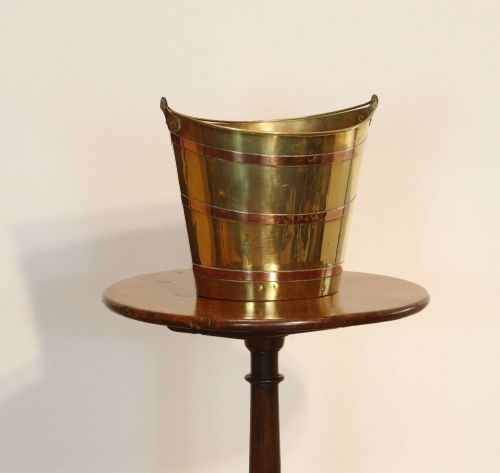
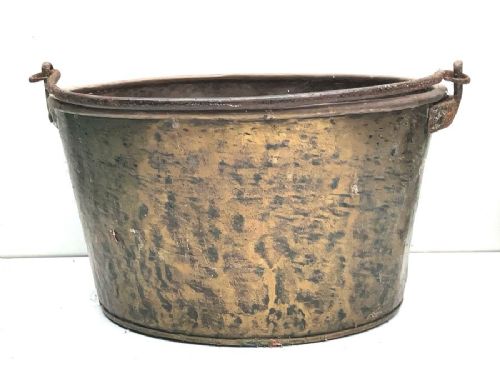
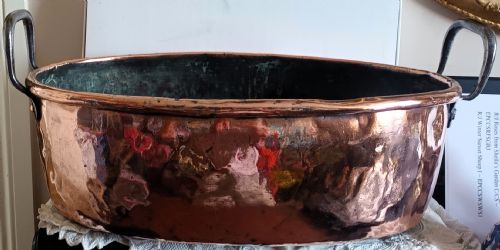
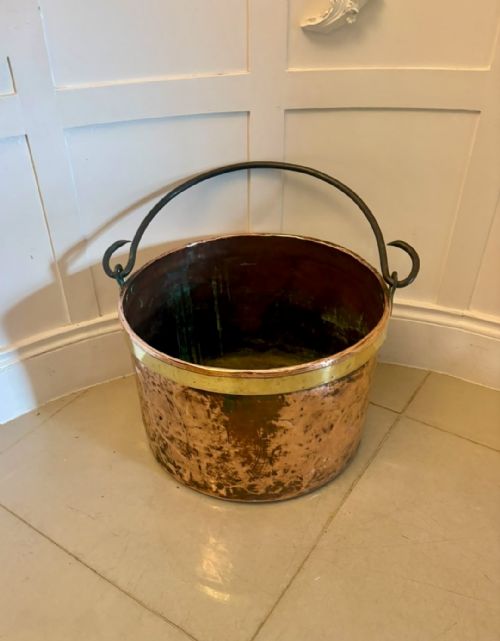
Georgian copper log vessel examples are heavy, riveted hearth containers forged to hold fuel for domestic fires with enduring utility and presence.

Georgian Copper Log Vessel
When you search for a Georgian copper log vessel, you are looking at heavy metal containers designed for holding fuel beside a hearth, often described in listings as log bins, log buckets, or fireside buckets. These domestic pieces serve both a practical function and a decorative purpose in a room.
The versions you are most likely to meet on this page date from the eighteenth century, the nineteenth century, or specifically around eighteen hundred. They appear alongside related forms such as cauldrons and cream setting pans, reflecting the period metalwork of British kitchens and hearths.
Makers shaped these vessels from heavy sheets of metal, sometimes incorporating iron handles or brass fittings to aid movement. Their survival from the Georgian era demonstrates the robust nature of domestic equipment produced during that period.
How they were made
Artisans hammered and riveted sheets of copper together to form the deep bodies of these vessels, joining the seams securely to hold heavy loads of fuel without splitting. This construction method leaves visible evidence of hand-working along the sides.
Forged iron and brass appear frequently as supplementary materials, used for swing handles, rims, or structural bands that reinforce the softer copper body. The combination of these metals provides both durability and contrast.
Georgian Copper Log Vessel Retail Price Guide 2026
Typical asking prices for georgian copper log vessel among the pieces listed under this phrase on Sellingantiques today, from the lower quarter to the upper quarter. They describe what is for sale here now, not the wider market.
Some vessels originally destined for the dairy now spend their retirement quietly holding logs.
What varies in quality
The thickness of the metal plate and the strength of the riveting distinguish a robust vessel from a lighter one, determining how well the piece endures heavy use over centuries. Heavier gauge copper maintains its shape under the weight of logs better than thinner alternatives.
Proportion and the integration of iron or brass mounts separate ordinary kitchen vessels from finely finished fireside pieces. The placement of handles and the neatness of the riveted seams show the care taken by the maker.
The Georgian Copper Log Vessel Glossary
- Georgian
- A historical period spanning the reigns of the British monarchs named George from seventeen fourteen to eighteen thirty. Pieces from this era often display traditional hand-forged construction methods.
- Riveted
- A method of joining metal plates by inserting a metal pin through overlapping sections and hammering the end flat. This technique provides a strong mechanical bond before the widespread use of modern welding.
- Cauldron
- A large metal pot with a rounded base, often featuring handles or feet for standing over a hearth. These deep vessels were used for various heavy domestic tasks.
- Swing handled
- A movable bail handle attached to opposite sides of a bucket or pan, allowing the vessel to be lifted and tilted easily. This feature is common on hearth and kitchen containers.
- Cream setting pan
- A wide, shallow vessel used in dairies to allow milk to settle so the cream could rise to the surface. These pieces share the heavy copper construction seen in log bins.
Georgian Copper Log Vessel: Frequently Asked Questions
What were Georgian copper vessels used for?
These vessels served various heavy domestic duties around the hearth and kitchen, from holding wood fuel for fires to boiling water or setting cream in dairies.
Their robust construction allowed them to withstand the rigorous daily demands of eighteenth and nineteenth-century households.
How do I identify a Georgian log vessel?
Look for heavy hand-hammered copper construction joined with visible metal rivets, often accompanied by iron swing handles or brass mounts.
Listings commonly date these items around eighteen hundred or within the broader nineteenth century, reflecting the material culture of the period.
How should I clean a copper vessel?
Many collectors prefer to leave copper with its darkened natural patina, which accumulates over centuries of handling and exposure to hearth smoke.
If cleaning is desired, gentle non-abrasive treatments preserve the soft metallic glow without removing the historical surface texture.
Are these vessels suitable for modern firesides?
Their original purpose as log bins makes them practical for holding firewood beside a contemporary hearth, combining historic character with everyday utility.
The sturdy copper and iron materials handle the weight of logs easily while adding warmth to a room.