

Large Circular Table
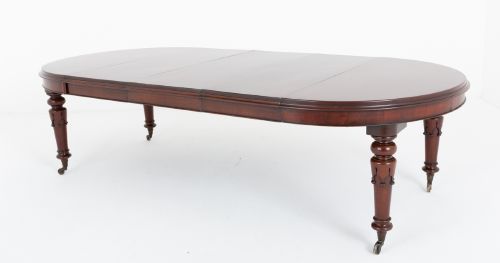
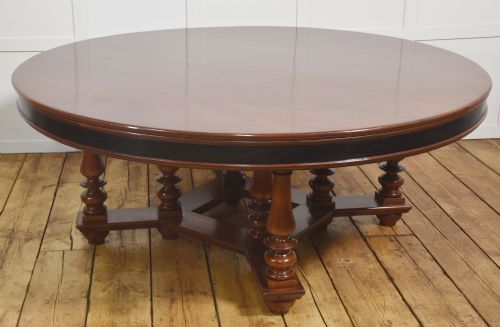
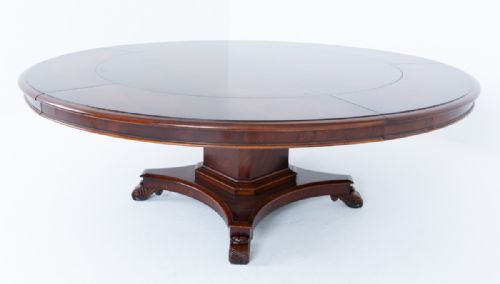
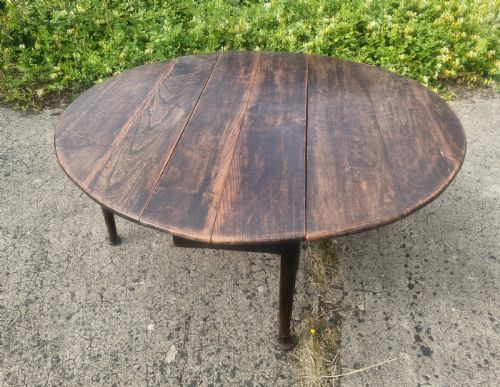
A large circular table anchors a room, bringing people together around rich mahogany, rosewood and walnut timbers shaped across centuries of British and continental design.

Large Circular Table
A large circular table serves multiple functions across different domestic spaces, appearing most frequently as a dining table, a central hall piece or a library table designed for communal gatherings.
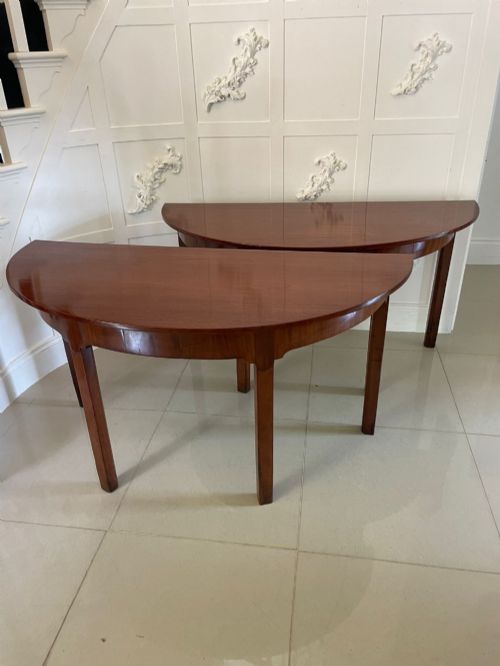
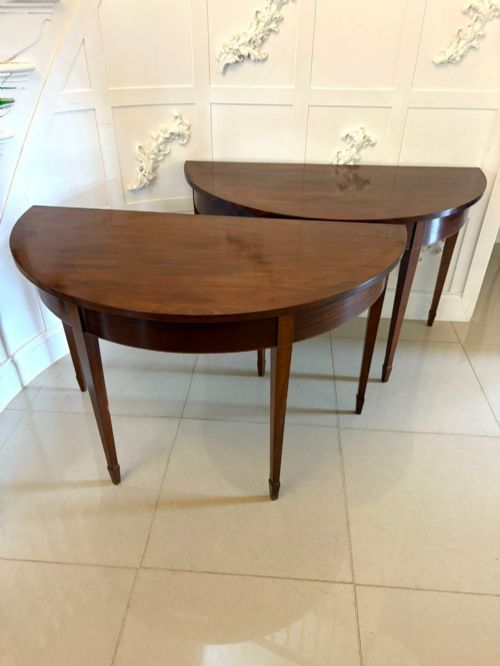
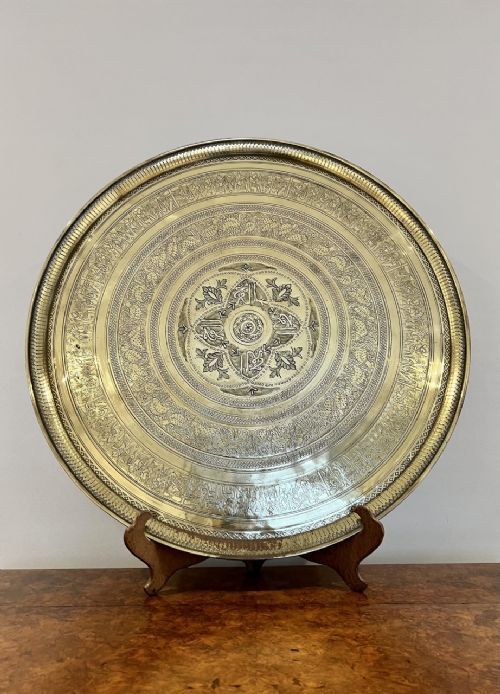
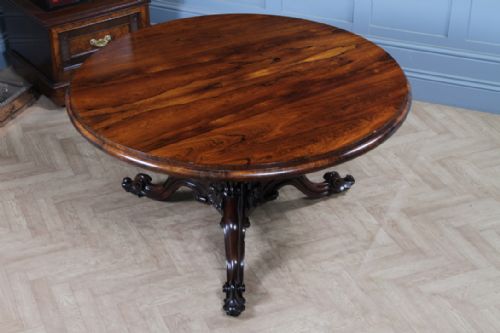
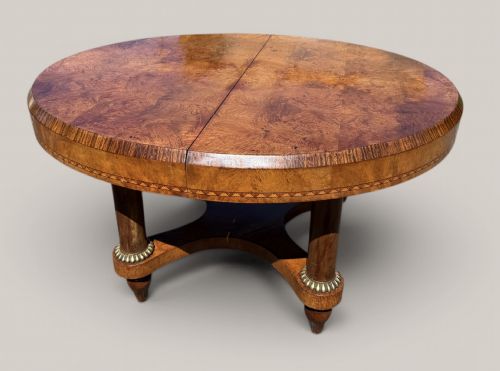
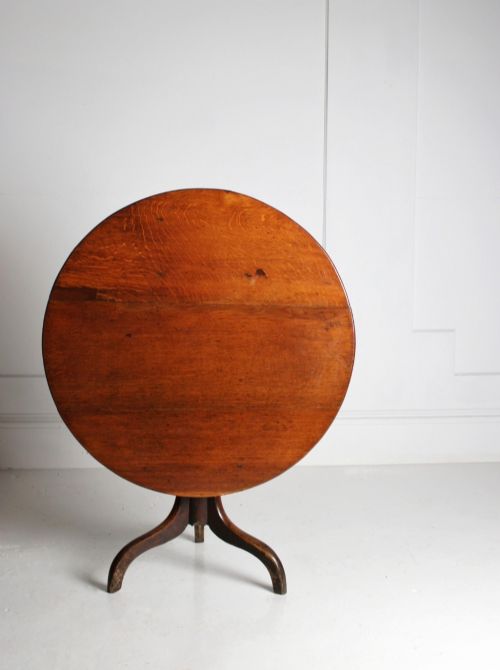
The pieces seen here span distinct periods from the eighteenth century through the Victorian and William IV eras into Art Deco designs, with mahogany, oak and rosewood providing the primary structural timbers.
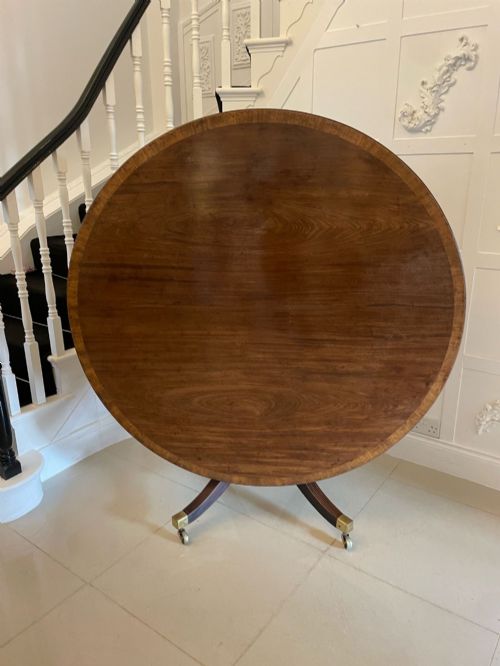
Buyers seeking a large circular table will encounter various mechanical formats, including tilt-top mechanisms, extending dining versions, and fixed centre tables supported by tripod bases or central pedestals.
Materials and Technique
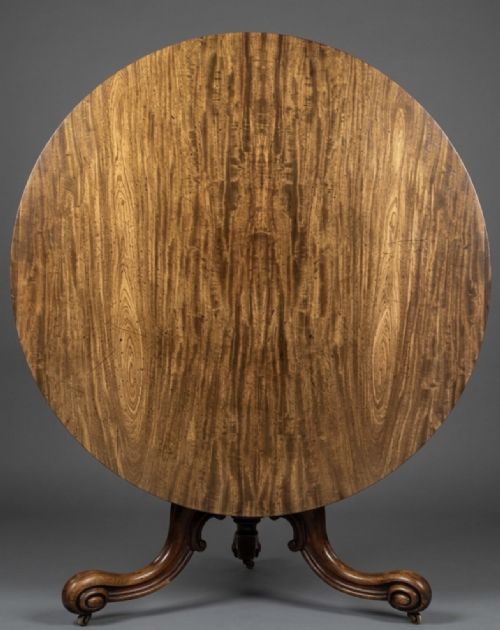
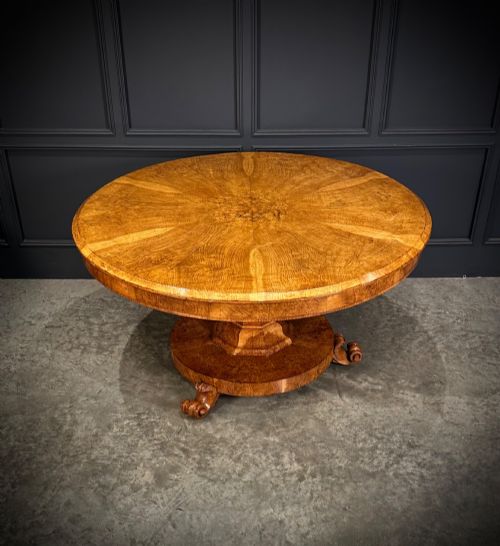
Cabinetmakers constructed these tables using dense hardwoods like mahogany, walnut and oak, frequently selecting figured veneers, flame mahogany or burr walnut to create striking grain patterns across expansive circular tops.
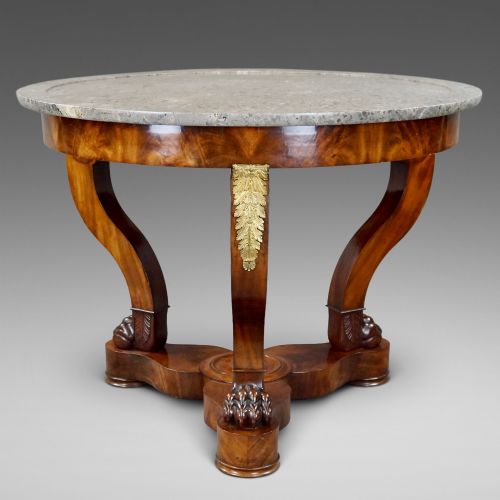
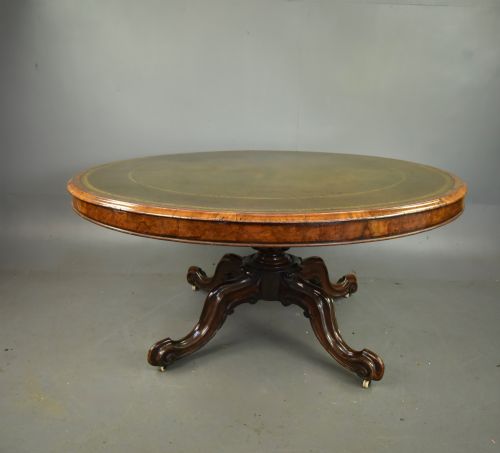
Many examples incorporate specialised carpentry techniques such as radial veneering, cross-banding and marquetry inlay, while others integrate inset materials including white or purple marble, leather writing surfaces and brass details.
Distinctions in Execution
The distinction between standard production and exceptional craftsmanship rests in the selection of timber figures, where symmetrical flame veneers and matched burr walnut elevate the visual impact of the top.
Structural integrity and refinement in carving separate ordinary pieces from superior examples, visible in the depth of hand-carved pedestal bases, the smooth operation of extending mechanisms, and the precision of inlaid marquetry.
The Large Circular Table Glossary
- Tilt-top table
- A table with a mechanism that allows the circular top to pivot vertically when not in use, saving floor space in smaller rooms. This form became popular during the eighteenth and nineteenth centuries for domestic dining and breakfast use.
- Gueridon
- A small French round table supported by a central column or figures, often topped with marble. These pieces frequently served decorative functions in grand reception rooms.
- Centre table
- A freestanding piece finished on all sides to stand in the middle of a room rather than against a wall. They often feature elaborate pedestal bases or four-way pillar supports.
- Cross-banding
- A decorative border technique where strips of veneer are laid perpendicular to the grain of the main surface. This frames the circular top with a contrasting band of timber.
- Marquetry
- The art of applying pieces of veneer to a structure to form decorative patterns and pictorial designs. Cabinetmakers utilised various exotic woods to create these intricate surface motifs.
Large Circular Table: Frequently Asked Questions
How many people does a large circular table seat?
A large circular table typically seats anywhere from six to ten guests comfortably, depending on the overall diameter of the top.
Because circular tables lack corners, they encourage conversation and make it easier to accommodate additional chairs when hosting larger gatherings.
How do I care for a polished wood surface?
Protect the timber from direct sunlight and excessive heat fluctuations to prevent the wood from drying out or the polish from crazing over time.
Apply natural beeswax periodically to nourish the grain and maintain the soft sheen expected on antique hardwood furniture.
What is the difference between a breakfast table and a dining table?
Breakfast tables of the nineteenth century frequently featured tilt-top mechanisms and pedestal bases, designed for informal morning meals and ease of storage.
Standard dining tables were built for heavier, permanent use, often incorporating extending leaves supported by multiple legs or robust central pillars.
How can I identify a tilt-top mechanism?
A tilt-top table utilises a wooden catch or brass latch beneath the surface that releases the circular top from its horizontal locking position.
This historical innovation allowed large surfaces to be tipped flat against a wall when not in use to maximise living space.