

Large Centre Table
When you need a large centre table, you are looking at substantial freestanding pieces designed to anchor a room.
Large Centre Table
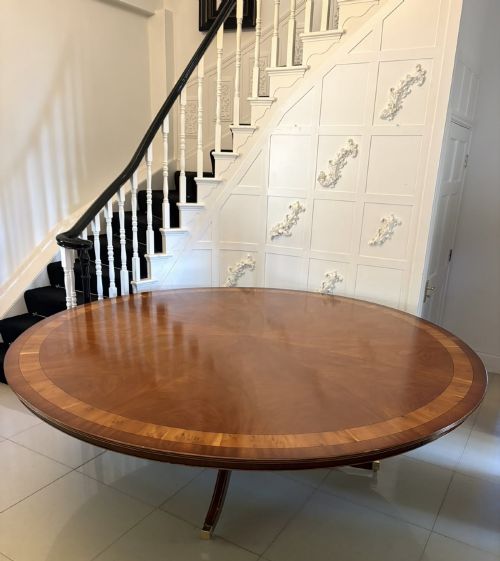
A large centre table functions as a primary focal point within a room, traditionally positioned to stand free from walls rather than tucked against them. The pieces gathered under this phrase span periods from the Georgian and Regency eras through the Victorian age and into the twentieth century, bringing together diverse regional workshops and cabinet makers.
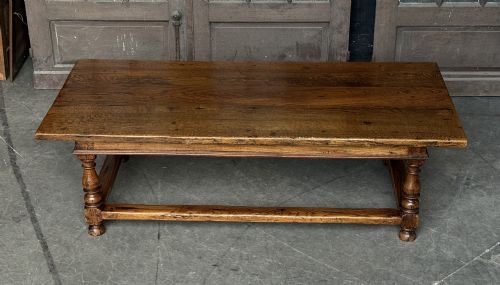
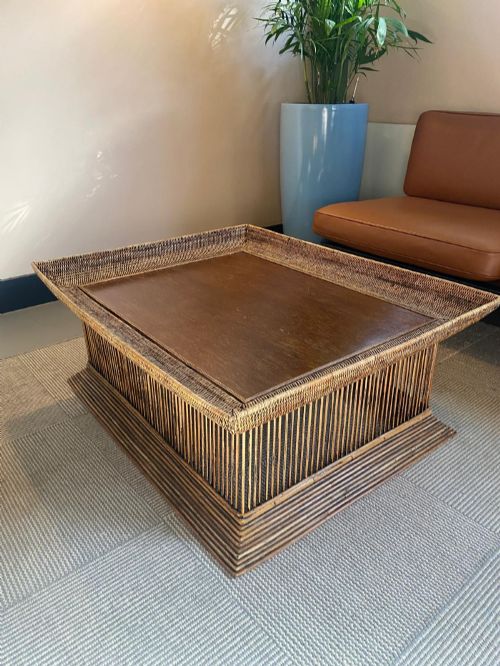
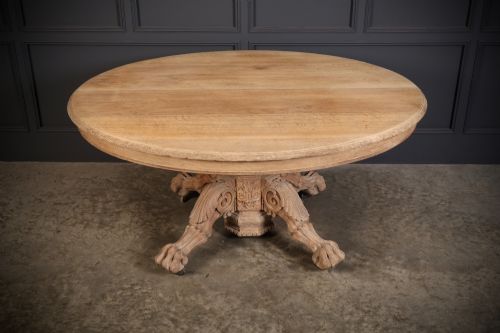
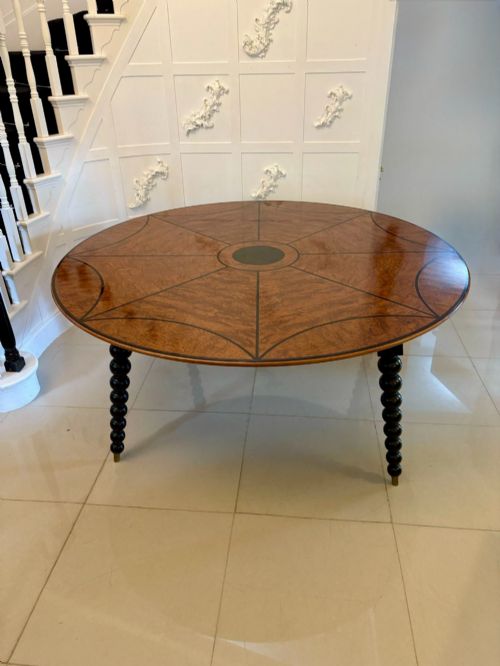
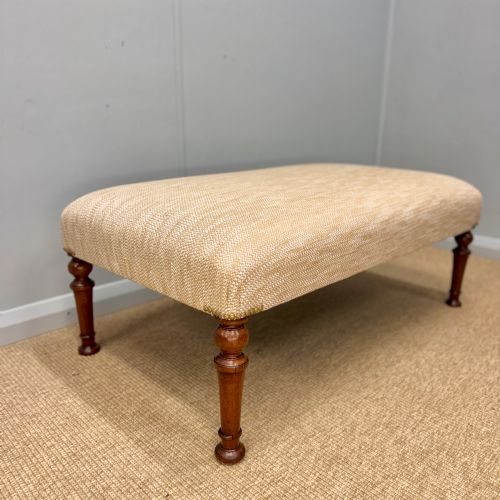
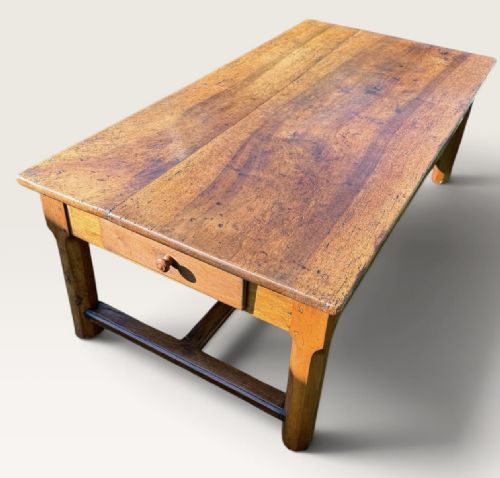
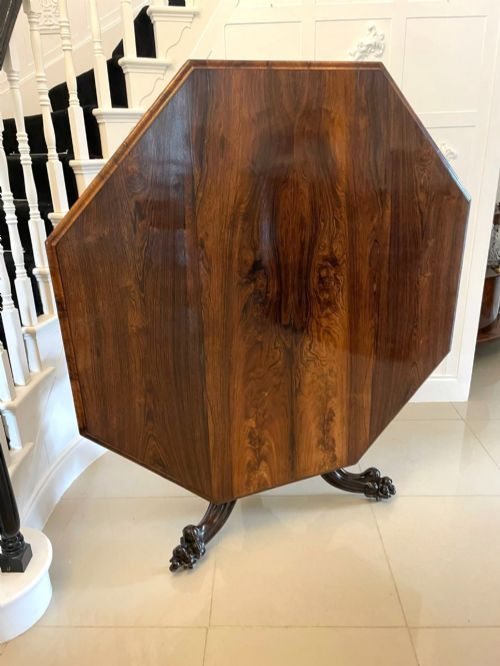
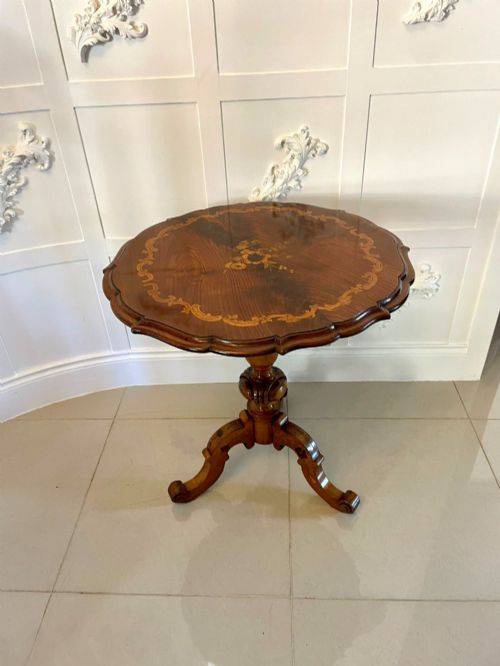
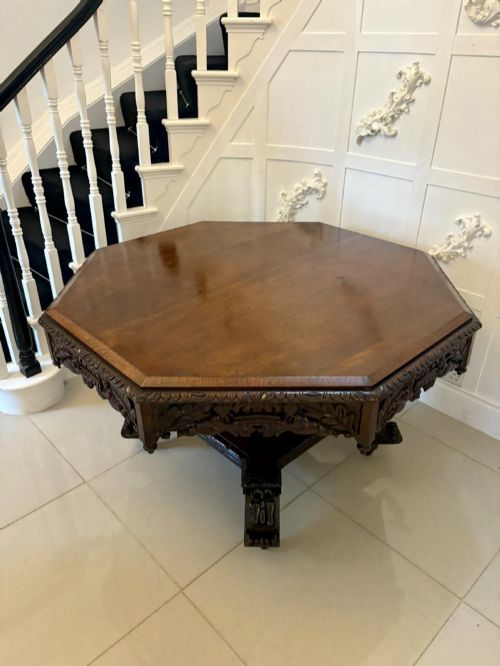
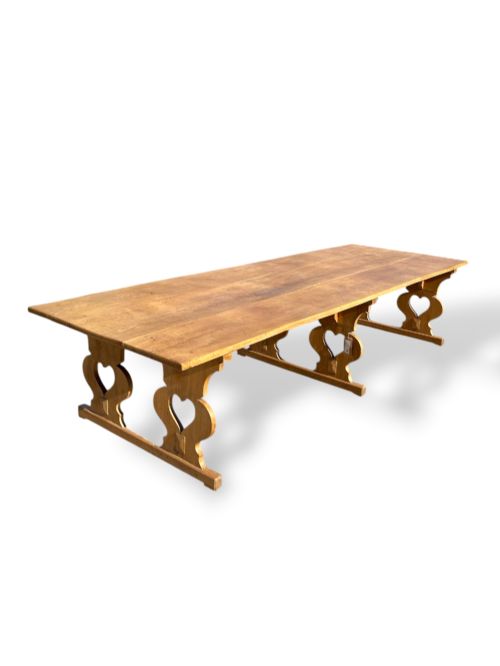
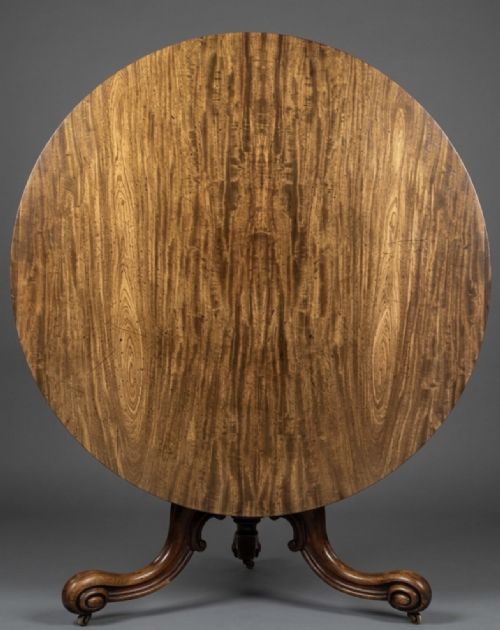
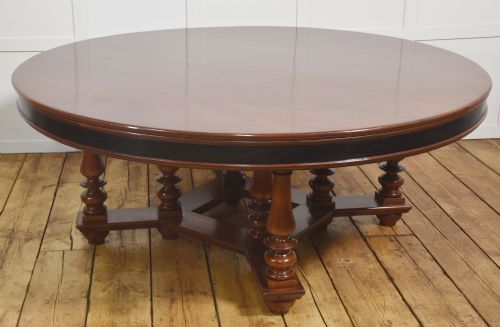
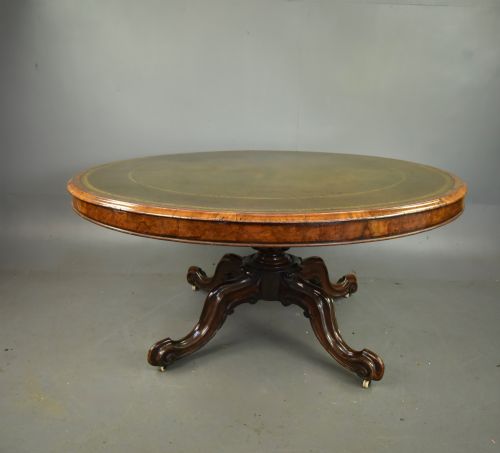
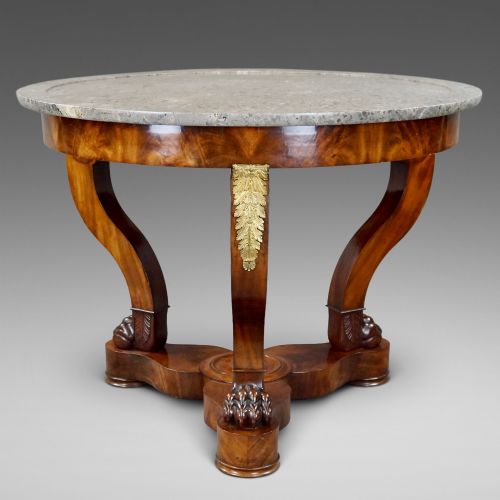
Buyers will encounter various forms, most frequently circular, oval, or octagonal tables designed for dining, libraries, or grand entrance halls. Alongside these timber tables, the selection includes heavy occasional tables set with solid marble tops, alongside low coffee tables and upholstered centre stools.
How they were made
Cabinet makers utilised dense native and exotic hardwoods including mahogany, oak, walnut, rosewood, and yew wood, often applying burr walnut veneers or intricate marquetry inlay to create decorative surface patterns. Structural stability relied on solid timber framing, frequently supported by heavy pedestals or carved legs.
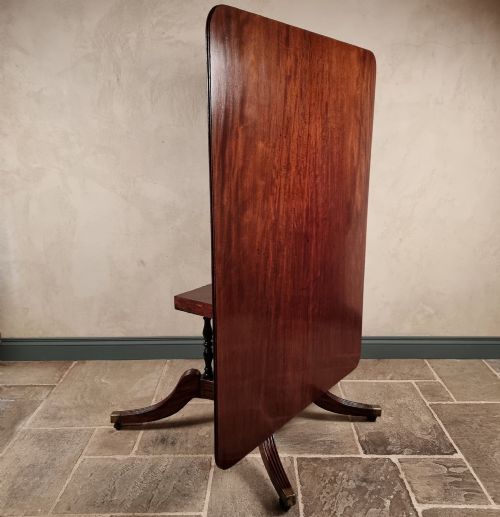
Surfaces were finished with polished wood or incorporated inset leather writing panels and polished marble slabs. Metal elements such as brass appear in structural mounts, while tilt-top mechanisms utilised pivot hinges to allow tables to be stored against walls when not in use.
Large Centre Table Retail Price Guide 2026
Typical asking prices for large centre table among the pieces listed under this phrase on Sellingantiques today, from the lower quarter to the upper quarter. They describe what is for sale here now, not the wider market.
The selection spans Georgian, Regency, Victorian, and later twentieth-century production.
What varies in quality
Quality rests upon the selection of timber and the precision of the cabinet work, particularly in the alignment of veneers and the execution of marquetry inlay. Superior examples demonstrate crisp carving on pedestals and mouldings, alongside robust internal construction that prevents movement in large timber tops.
The refinement of secondary materials also dictates value, from the weight and polish of marble inserts to the quality of original leather tops and parcel gilt detailing. Tables retaining their original tilt-top mechanisms and stable structural joints command greater interest from collectors.
Gillows·Egan Workshop·Joseph Rodgers
The Large Centre Table Glossary
- Marquetry
- Decorative veneer work arranged in pictorial or geometric patterns using various coloured woods. This technique requires meticulous cutting and fitting of thin timber sections onto a solid carcase.
- Tilt-top
- A hinged table top that rotates from horizontal to vertical to save space when not in use. The mechanism uses a sturdy catch and pivot block beneath the top.
- Library table
- A large freestanding table designed for heavy books and writing materials, often fitted with drawers. These pieces typically feature spacious timber tops suited to communal study.
- Gueridon
- A small decorative stand or table, originating in seventeenth-century France and frequently taking a circular form. They often feature a central pedestal base.
- Burr walnut
- Timber cut from walnut tree growths that produce complex, swirling grain patterns. Cabinet makers prized these sections for high-status veneered surfaces.
Large Centre Table: Frequently Asked Questions
What is a large centre table used for?
These tables served multiple functions historically, acting as dining surfaces, library desks, or grand hall tables for displaying decorative objects.
Today, they continue to anchor large rooms, providing generous surface space for daily use or entertaining.
How do I identify a Victorian table?
Victorian tables often feature heavy timber construction in mahogany, walnut, or oak, accompanied by deep carving and robust pedestal bases.
Many examples from this period incorporate tilt-top mechanisms or intricate marquetry inlay reflecting revival styles.
Are marble top tables heavy?
Tables featuring solid marble tops possess considerable weight due to the density of the stone insert.
They require careful placement and benefit from staying in a permanent position once installed in a room.
How should I care for polished wood?
Maintain polished wood surfaces by dusting regularly with a soft cloth and avoiding direct exposure to strong sunlight.
Apply occasional appropriate wax polish to nourish the timber and preserve the historic finish.