
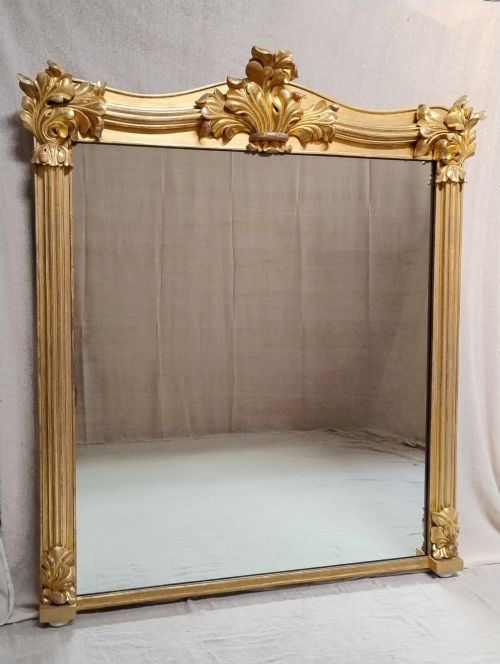
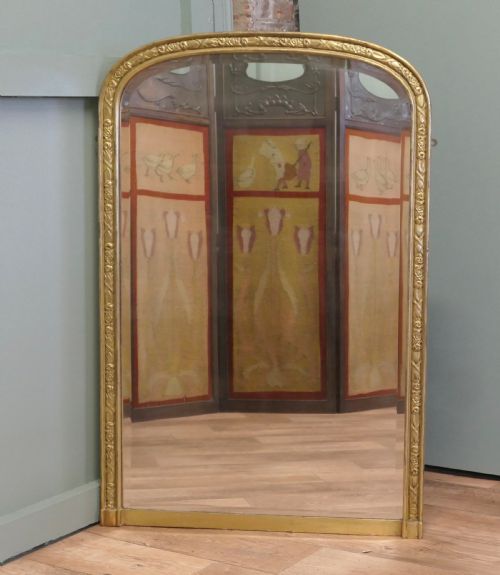
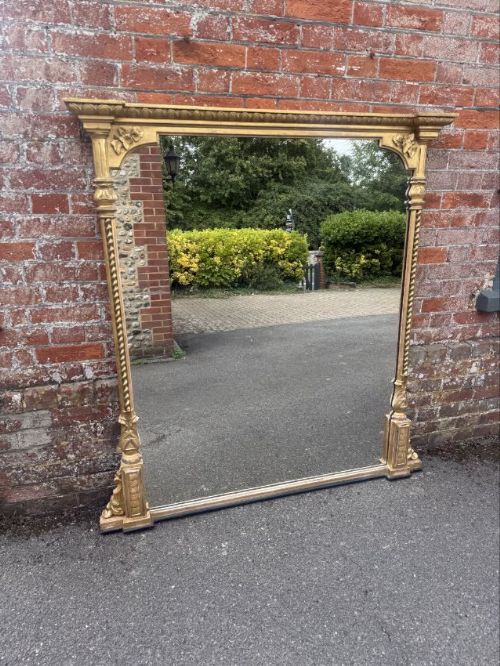
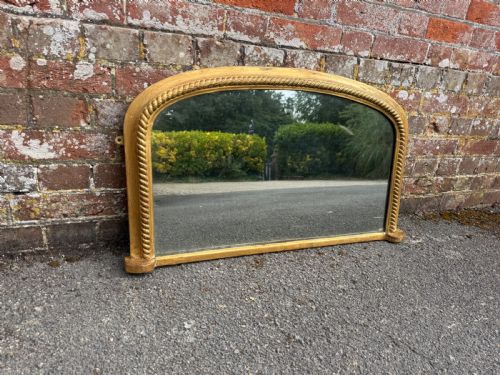
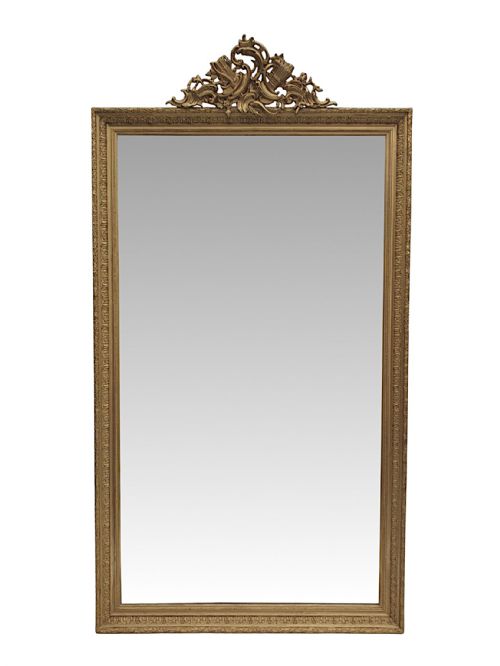
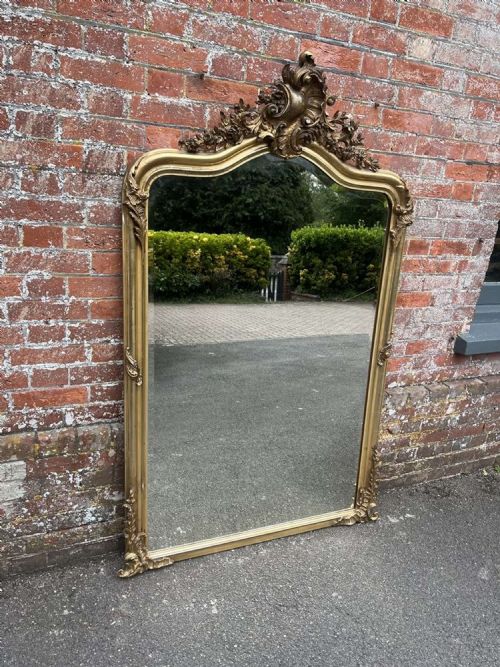
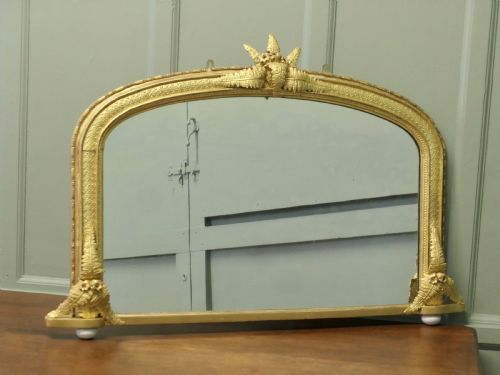
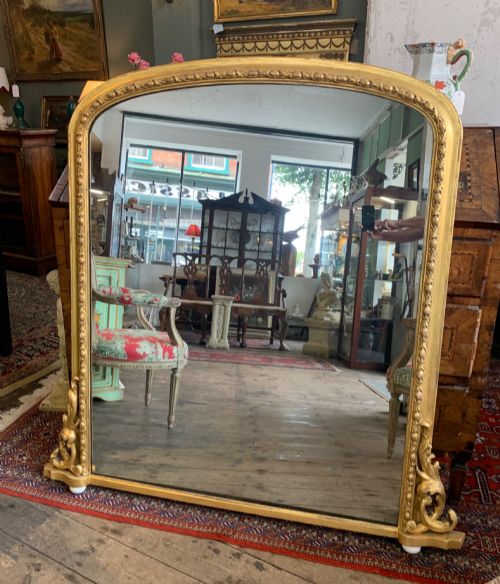
Large Carved Mantle Mirror
A large carved mantle mirror brings scale and reflected light to a room, anchoring a chimney breast with period presence.
Large Carved Mantle Mirror
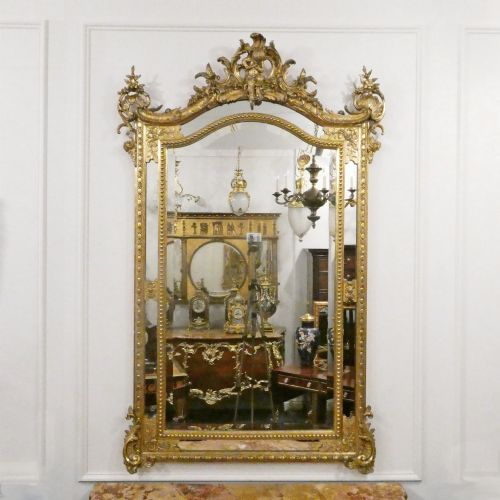
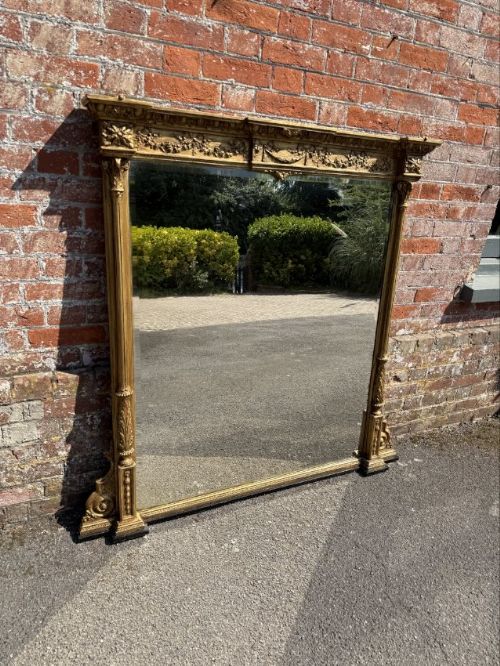
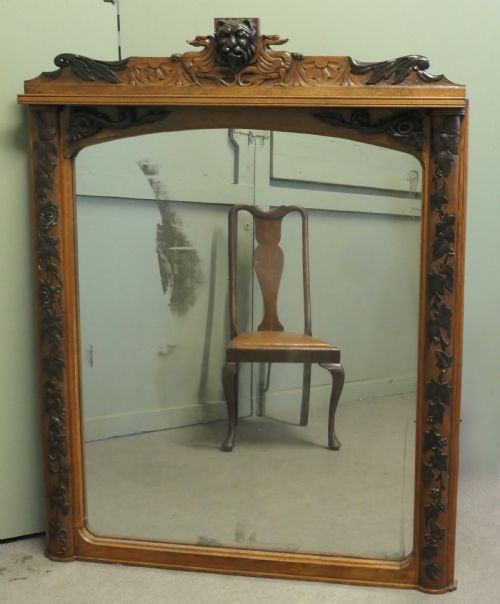
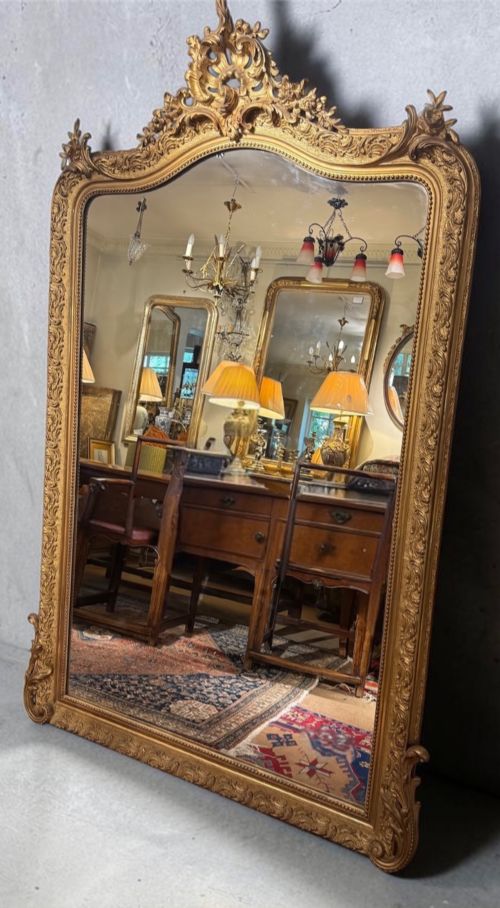
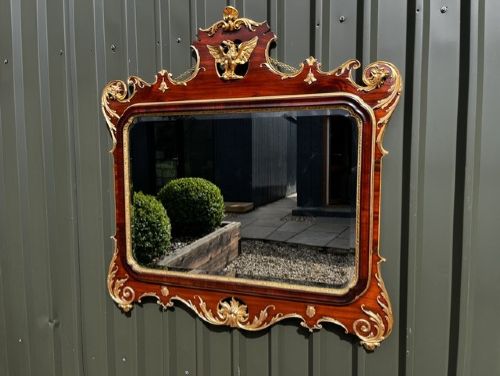
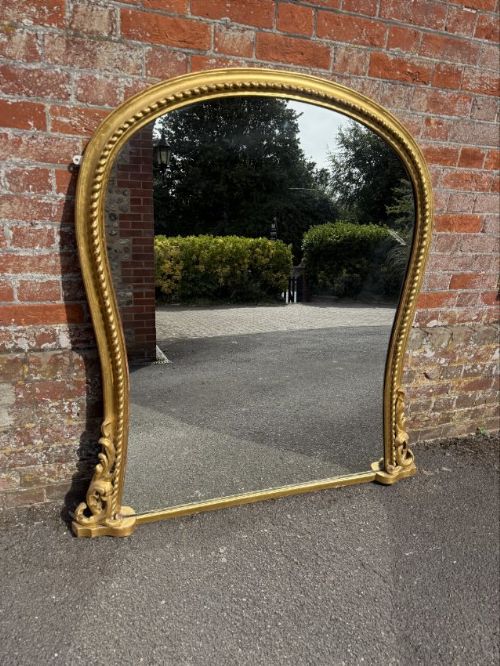
When searching for a large carved mantle mirror, buyers encounter substantial overmantel mirrors designed to sit directly above a fireplace hearth. The most common examples on this page date from the nineteenth century, spanning Victorian, Georgian, and Regency periods alongside French styles such as Louis Philippe and Rococo Revival.
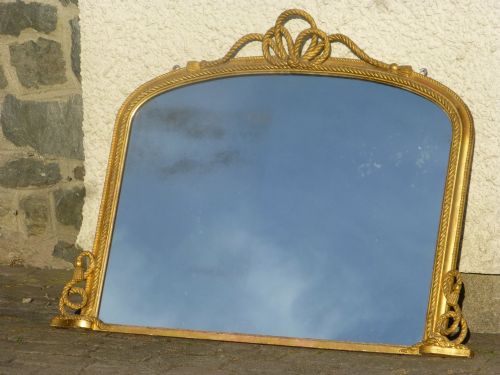
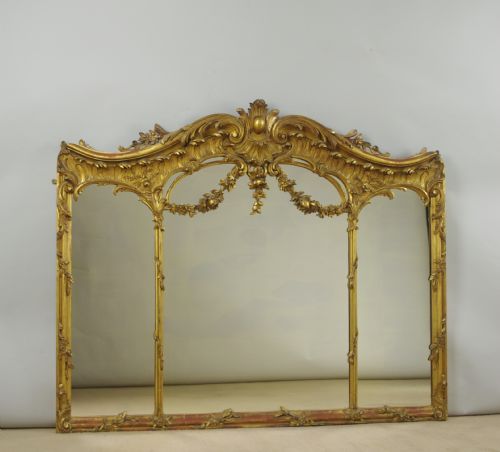
These pieces primarily function as architectural wall mirrors or overmantel mirrors featuring arched tops, rectangular formats, or triple plates. English nineteenth-century interpretations frequently combine carved wood and gesso frames with gilt finishes, while French alternatives introduce shaped tops and distinct ripple or column mouldings.
Beyond standard giltwood items, the inventory includes dark hardwoods such as mahogany and oak alongside painted and silvered variants. Such mirrors serve both decorative and practical roles, originally intended to bounce candlelight and daylight around formal reception rooms.
How They Were Made
The underlying structure typically relies on carved wood, such as pine for gilt pieces or heavier timbers like mahogany and oak for structural frames. Artisans applied gesso - a mixture of chalk and binder - over the wood base to build up relief ornamentation, rope twists, or ribbed mouldings before gilding.
Giltwood elements were finished with gold leaf or metal leaf applied to the prepared gesso surface, often burnished to catch the light. Glass plates were manually cast or blown, resulting in characteristic distortions, and later examples feature original bevelled edges fitted securely into the rebate.
Listings feature nineteenth-century items utilising materials like gesso, giltwood, mahogany, and oak across styles ranging from Regency to Rococo Revival.
What Varies in Quality
Quality depends upon the crispness of the original wood carving and the depth of the gesso mouldings applied to the frame. Finer examples retain their original gilding and historic glass plates, showing minimal restoration to the delicate architectural ornaments and rope twist details.
Proportion and scale dictate the visual impact of the piece, with grander formats displaying balanced architectural framing such as columns, pediments, or triple plates. Subtlety in the modelling of floral motifs and scrollwork distinguishes provincial work from high-status London or Parisian workshops.
The Large Carved Mantle Mirror Glossary
- Gesso
- A plaster-like mixture applied to wood frames to create a smooth surface for gilding or deep relief carving. Artisans moulded this compound into intricate decorative patterns before applying gold leaf.
- Overmantel
- A large mirror specifically designed to hang on the wall directly above a mantelpiece or fireplace. These pieces were scaled to match the width of the hearth below.
- Giltwood
- Timber that has been coated with gold leaf or metal leaf over a prepared base. It provides a bright reflective surface that enhances interior illumination.
- Trumeau
- A decorative wall mirror incorporating a painted panel or carved artwork above the glass plate. These French-inspired pieces integrate woodwork and mirror glass into a single architectural unit.
- Bevelled glass
- A mirror plate with edges cut and polished at an angle to catch the light. This technique adds a refined decorative border to the perimeter of the glass.
Large Carved Mantle Mirror: Frequently Asked Questions
How do I hang a heavy mirror?
Large carved mantle mirrors carry substantial weight due to their timber frames and thick glass plates. They require heavy-duty fixings secured directly into masonry or secure wall studs rather than standard plasterboard.
Professional installation is recommended to distribute the load evenly across the structure of the frame. Many period pieces feature original iron strapwork or rings on the reverse designed for secure wall attachment.
Were these mirrors made for fireplaces?
Overmantel mirrors were specifically constructed to sit on the shelf of a chimney breast or be mounted directly to the wall above it. Their horizontal proportions were engineered to match the width of nineteenth-century fireplace openings.
Placing them in this position allowed the glass to reflect light from windows and chandeliers across the principal reception rooms. Today, they continue to function effectively in dining rooms, hallways, and living spaces.
How do I clean antique gilt frames?
Giltwood frames require delicate maintenance because moisture and harsh cleaning agents can strip the historical gold leaf and underlying gesso. Dusting gently with a dry, soft-bristled brush is the safest method to remove accumulated debris.
Avoid liquid polishes, abrasive cloths, and chemical solvents entirely. Professional conservators should address any flaking gesso or damaged gilding to preserve the integrity of the surface.
What is the difference between Victorian and Regency styles?
Regency mirrors, dating from the early nineteenth century, frequently feature classical restraint with gilt balls, reeded columns, and architectural symmetry. They lean towards neoclassical motifs derived from Greek and Roman design.
Victorian pieces often introduce heavier ornamentation, elaborate floral scrollwork, and deeper gesso mouldings influenced by Rococo Revival tastes. These later frames display greater sculptural complexity and varied framing profiles.