




Large Brown Bookshelf
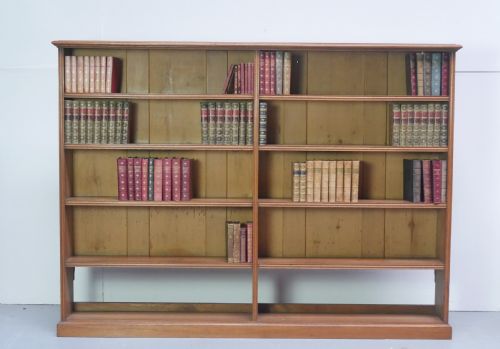
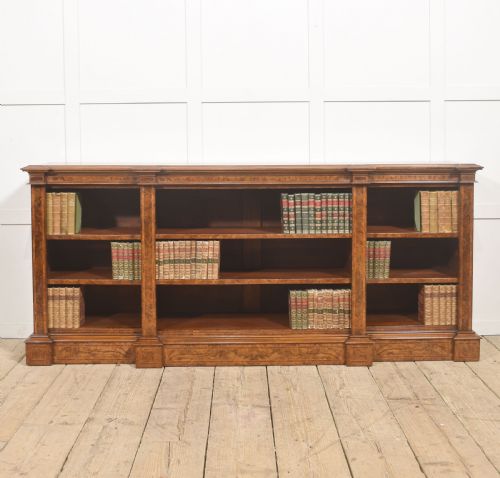
A large brown bookshelf anchors a room with timber weight and quiet utility.
Large Brown Bookshelf
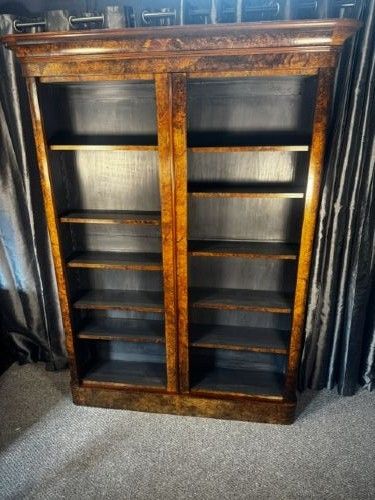
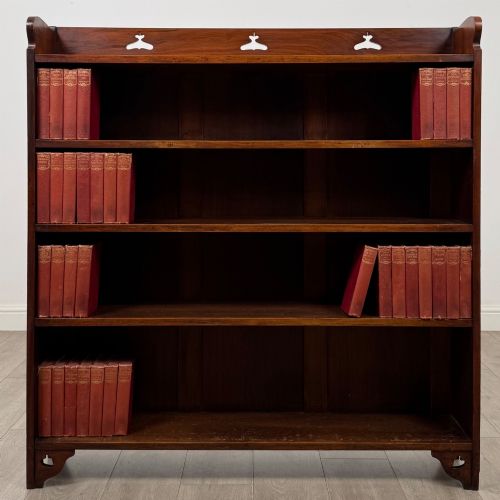
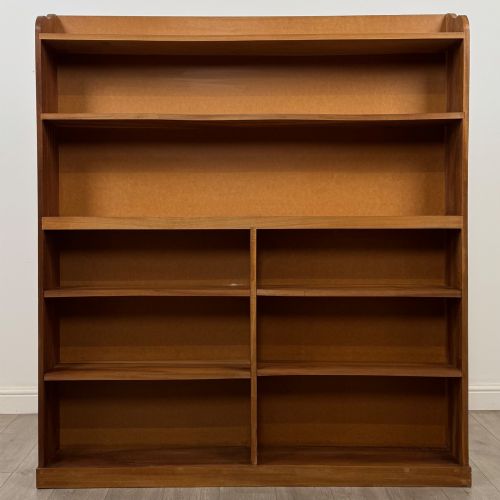
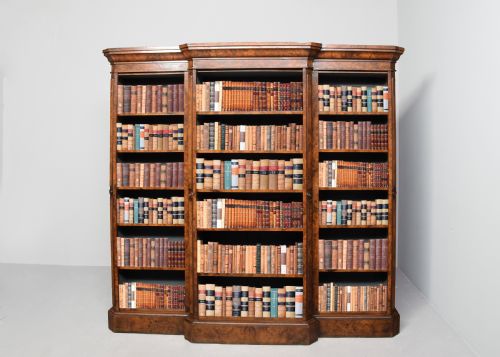
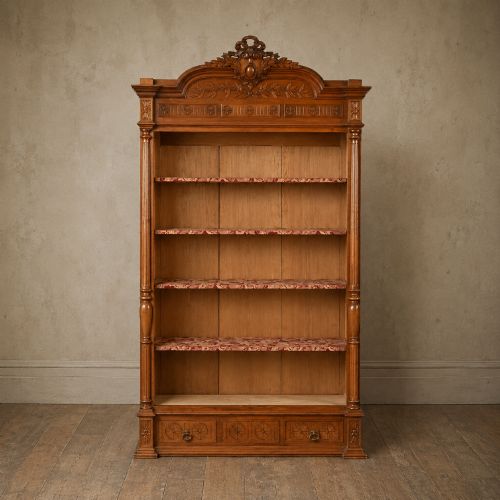
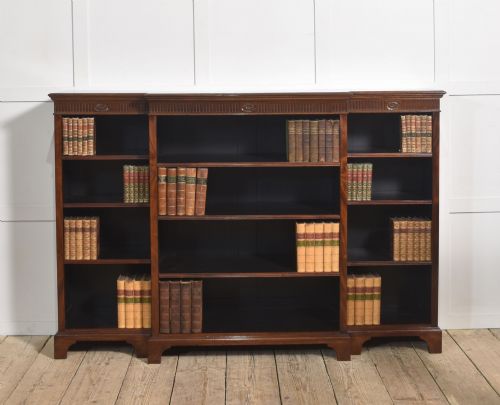
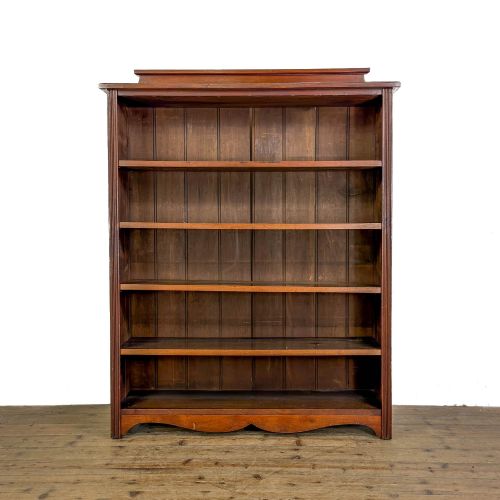
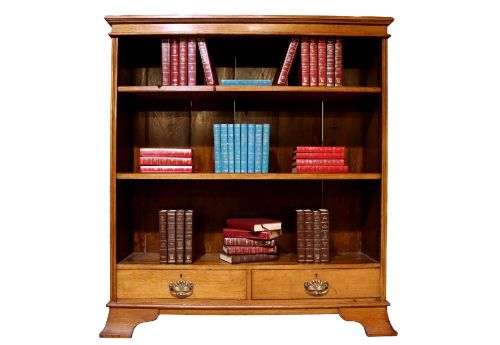
The selection here encompasses period pieces dating from the nineteenth century through to the early twentieth century, including robust oak library units and refined burr walnut cabinets. Buyers encounter both simpler wall shelves and expansive breakfront configurations designed for extensive collections.
How they were made
Carpenters utilised solid timbers such as mahogany, oak, and walnut, alongside burr walnut veneers, selecting each wood for its grain pattern and structural strength. Carving, marquetry inlay, and brass fittings appear across the pieces, providing functional detail and decorative emphasis.
Construction methods include multi-section breakfront builds and two-part carcass assembly, often incorporating adjustable shelving systems supported by timber or brass mechanisms to hold heavy rows of books.
Listings span the nineteenth and early twentieth centuries, featuring oak, mahogany, walnut, and deal wood in open, revolving, and cabinet formats.
What varies in quality
The standard of a large brown bookshelf rests upon the selection of timber, such as figured mahogany or rich burr walnut, and the crispness of any applied carvings or marquetry. Superior examples exhibit balanced proportions, tight joinery, and carefully matched wood veneers across wide surfaces.
Meticulous interior detailing, including well-engineered adjustable shelf supports and secondary woods of high grade, distinguishes the finest library bookcases from utilitarian counterparts.
Edwards and Roberts
The Large Brown Bookshelf Glossary
- Breakfront
- A cabinet design where the central section projects forward from the flanking wings. This layout creates architectural depth in large library pieces.
- Burr walnut
- Timber taken from the warted excrescences of a walnut tree, showing intricate swirling grain patterns. Cabinetmakers sliced it into thin veneers for decorative surfaces.
- Revolving bookcase
- A compact freestanding shelving unit mounted on a rotating pivot base. It allows easy access to volumes from a seated position.
- Open bookcase
- A shelving unit without doors, providing direct access to the books stored within. This form dominates the larger library examples.
- Marquetry
- The art of applying decorative veneer pieces to a structure to form geometric or pictorial designs. It appears on refined nineteenth-century cabinetry.
Large Brown Bookshelf: Frequently Asked Questions
How do I care for a mahogany bookcase?
Maintain the wood by dusting with a dry, soft cloth and occasionally applying a traditional beeswax polish to nourish the grain. Avoid placing the timber in direct sunlight or near heat sources to prevent warping.
Ensure the room humidity remains stable to protect the polish and prevent any veneer from lifting off the timber carcass.
Are the shelves adjustable?
Many period bookcases feature adjustable shelving systems supported by wooden pegs, brass tracks, or notched interior pilasters. This allows you to alter shelf heights for varying book sizes.
Check the individual listing details to confirm the specific mechanism used in each piece.
How do I date a Victorian bookcase?
Examine the timber species, construction joints, and decorative motifs such as Gothic revival tracery or Renaissance revival carvings. Nineteenth-century pieces typically employ solid mahogany, oak, or walnut with hand-cut joinery.
Maker stamps or labels, when present inside drawers or on the backboards, provide a more precise indication of origin.