



Large Bronze Desk Statue
A large bronze desk statue brings solid presence to a study, offering substantial weight and detailed metalwork for a desktop or mantel.
Large Bronze Desk Statue
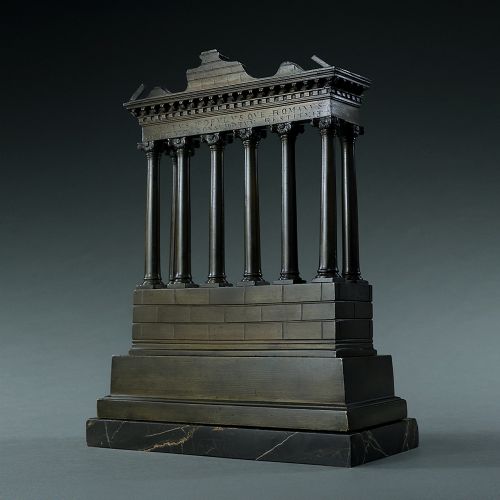
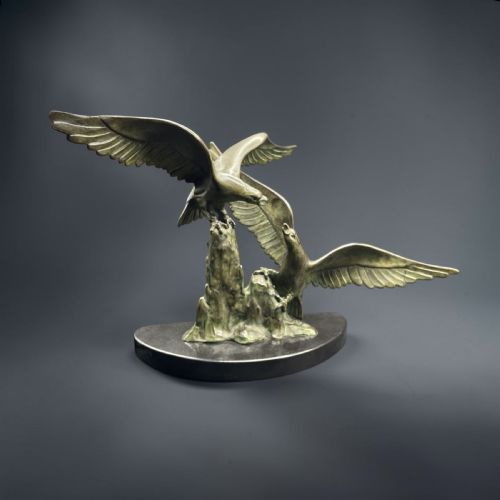
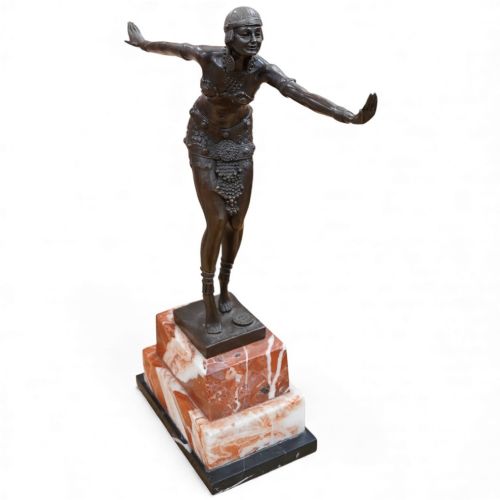
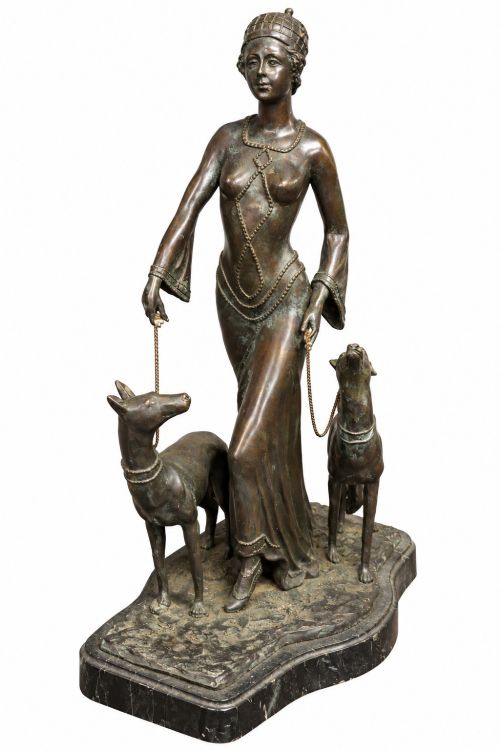
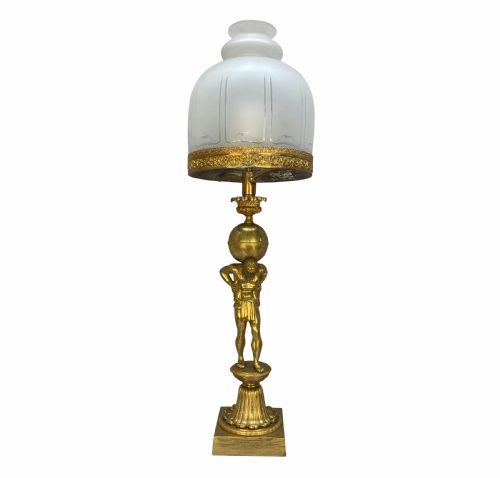
A large bronze desk statue encompasses substantial figurative sculptures, table lamps, and mantel clocks designed for prominent display on desks or furniture. The pieces seen here span the nineteenth century, the Regency era, and the art deco period of the 1920s and 1930s.
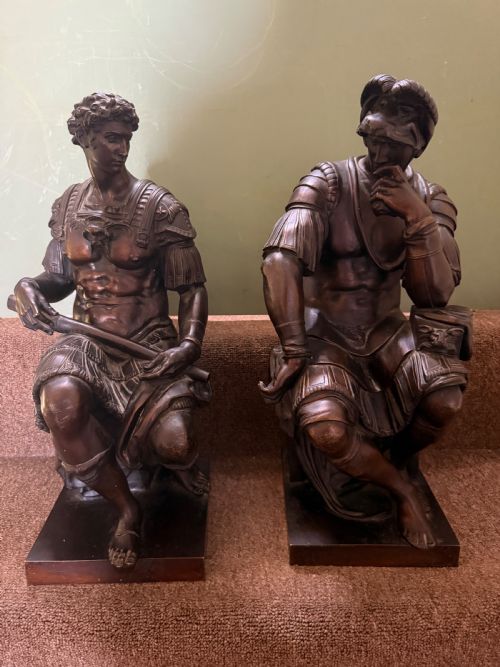
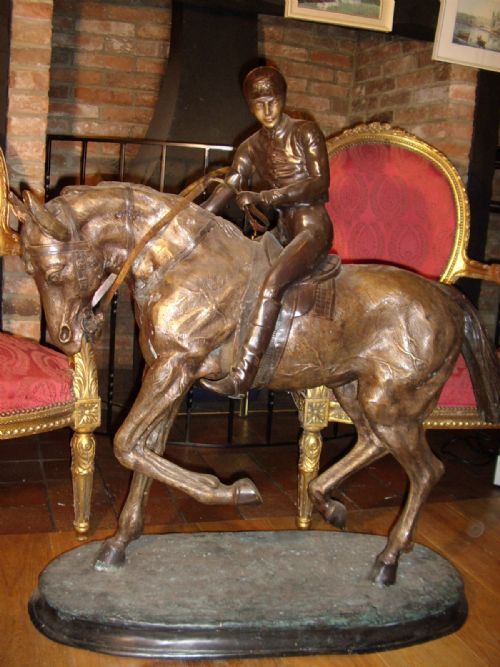
Subjects range widely across historical, mythological, and animalier themes, featuring subjects such as classical figures, racehorses, and greyhounds. Many examples replicate well-known academic or grand tour models after sculptors like Michelangelo, Christophe Fratin, and D.H. Chiparus.
Makers and foundries represented include Barbedienne and artists such as Pierre Jules Meme and Emile Picault. Mountings often incorporate marble, slate, frosted glass, or brass bases to support the heavy metalwork.
Materials and construction
The primary material is cast bronze, sometimes appearing with patinated or gilt finishes, alongside alternative metal compositions like spelter. Foundries utilised traditional casting methods to achieve crisp detail in complex figurative groups.
Bases are frequently constructed from contrasting heavy materials such as black marble or slate to provide stability for the substantial metal sculptures. Additional elements include frosted glass incorporated into lamp assemblies.
Large Bronze Desk Statue Retail Price Guide 2026
Typical asking prices for large bronze desk statue among the pieces listed under this phrase on Sellingantiques today, from the lower quarter to the upper quarter. They describe what is for sale here now, not the wider market.
Expect vigilant greyhounds, bucking bronchos, and Roman emperors keeping watch over your stationery.
Assessing quality and craftsmanship
The choice and execution of the patina or gilding contribute significantly to the visual depth of the surface. Furthermore, the integration of solid marble or slate bases affects the overall balance and presence of the piece.
Barbedienne·Pierre Jules Meme·Emile Picault
The Large Bronze Desk Statue Glossary
- Patinated bronze
- Bronze treated with chemical solutions to produce a coloured surface layer, enhancing the visual contours of the sculpture.
- Grand tour
- Nineteenth-century souvenirs acquired by travellers in Italy, often reduced-scale bronze casts of classical or Renaissance monuments.
- Spelter
- A zinc alloy commonly used as a cost-effective substitute for bronze, frequently given a bronze-coloured finish.
- Animalier
- Nineteenth-century artistic style focusing on the realistic depiction of animals, particularly in motion.
- Gilt bronze
- Metal coated with a thin layer of gold or gold-coloured alloy to create a bright, reflective surface.
Large Bronze Desk Statue: Frequently Asked Questions
What periods do these desk statues represent?
The pieces span the nineteenth century, including Regency examples, alongside art deco works from the 1920s and 1930s.
Foundry output and grand tour souvenir casting traditions are well represented across these periods.
How do bronze and spelter differ?
Bronze is a robust copper alloy that takes fine detail and patination, while spelter is a softer, lighter zinc-based metal often used as an alternative.
Objects cast in spelter generally require more careful handling due to the relative softness of the alloy.
Where were grand tour bronzes made?
Grand tour bronzes were produced primarily in Italy during the nineteenth century as souvenirs for travellers visiting classical sites and museums.
These workshops reproduced famous Renaissance and antique sculptures at a scale suitable for domestic display.
How do I care for a patinated bronze?
Dust the surface regularly with a soft, dry cloth to prevent the accumulation of grit in recessed details.
Avoid using liquid polishes or abrasive cleaners, which can strip or alter the applied patina.