


Large Brass Plant Pot
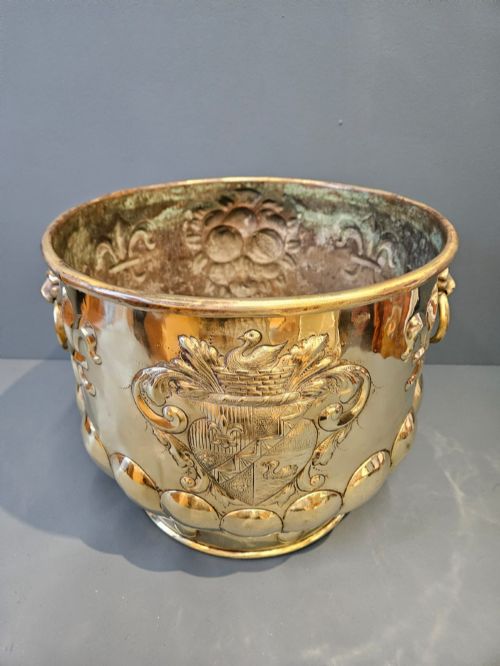
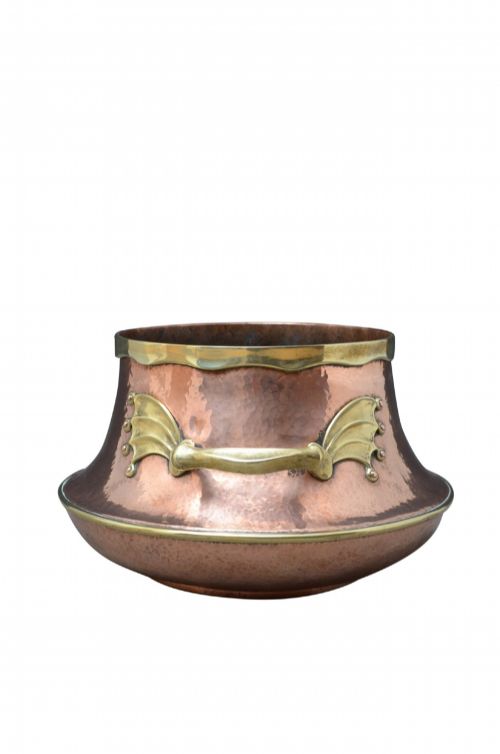
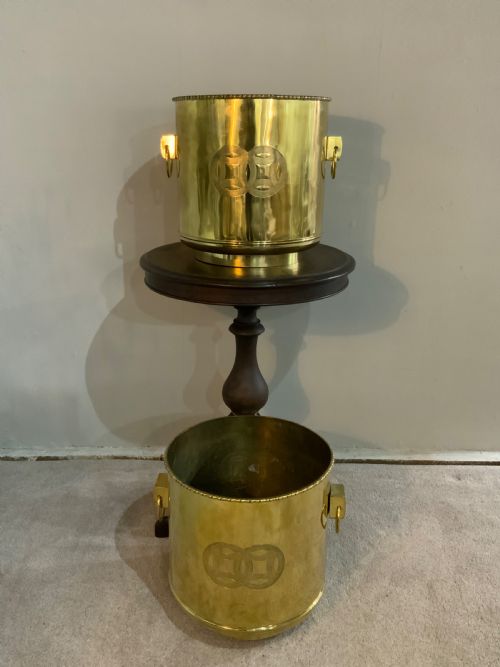
These large brass plant pot examples are commanding vessels designed to house indoor greenery, bringing traditional weight and metallic warmth into a room.
Large Brass Plant Pot
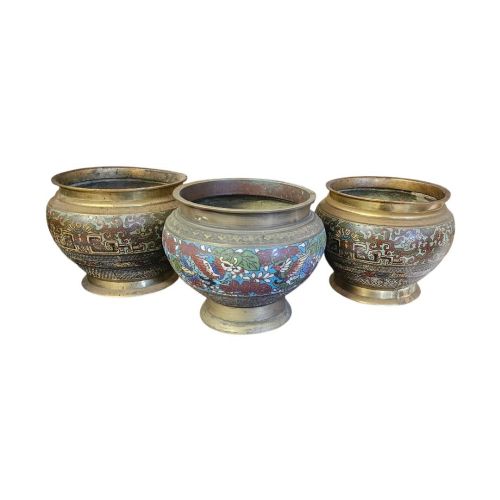
When searching for a large brass plant pot, buyers encounter substantial vessels functioning primarily as jardinieres or cachepots to hold potted plants. The selection spans the nineteenth century, including Victorian, Edwardian, and nineteen hundred periods, alongside pieces originating from Chinese, Japanese, and Indian workshops.
Forms vary from straightforward heavy metal bowls to coopered wooden stave constructions bound in brass, often featuring twin handles or crests. Alongside standard planters, the range includes specialised items such as country house watering cans and decorative wine coolers utilising the same durable materials.
How they were made
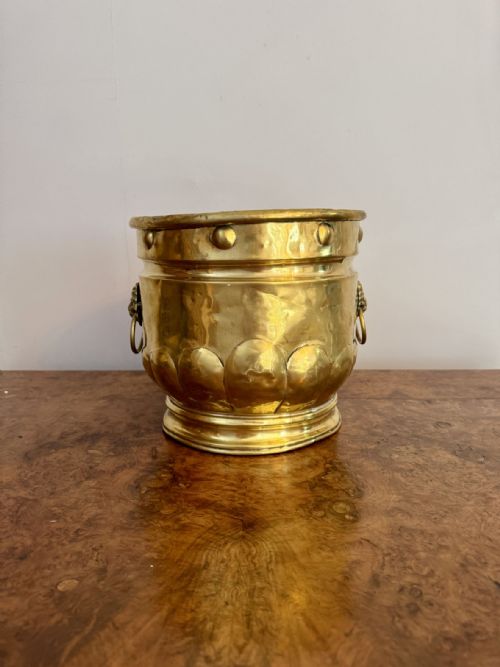
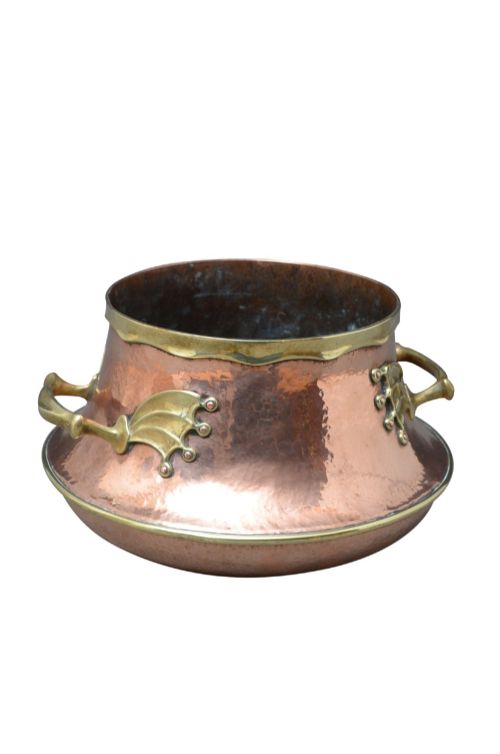
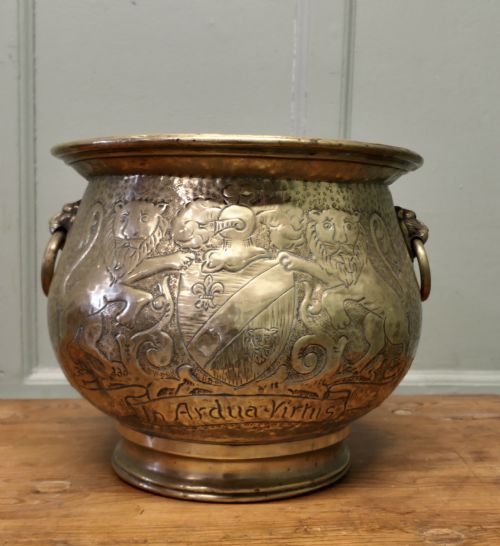
Construction relies heavily on brass and copper, frequently combined with bronze, gilt bronze, and enamel work. Techniques involve hand hammering the sheet metal to create textured surfaces, or casting heavier vessels with applied decorative elements like lion mask handles.
Certain vessels incorporate organic materials such as turned teak and hardwood, particularly in coopered designs utilising metal bands. Surface detailing also extends to hand-engraved motifs and champleve or cloisonne enamel applications.
Several heavy brass vessels double as waste bins, proving that nineteenth-century rubbish disposal could still involve lions mask handles.
What varies in quality
Quality rests on the thickness of the metal plate and the integrity of the construction, distinguishing solid cast or heavy gauge vessels from lighter alternatives. Superior examples display crisp hand-chasing, well-defined crests, or precise hand-engraving rather than simple pressed decoration.
The choice of secondary materials marks another distinction, seen in turned teak staves, fine enamel work, or substantial bronze handles securely fixed to the body. Pieces retaining matching pairs or original stands command greater interest among collectors.
The Large Brass Plant Pot Glossary
- Jardiniere
- An ornamental pot or stand for holding plants or flowers. These vessels usually sit directly on the floor or a dedicated base rather than hanging.
- Cachepot
- An ornamental outer pot or jardiniere used to conceal an unadorned flowerpot. The term translates from French as hiding pot.
- Coopered
- Formed of staves fitted together and bound with hoops, a technique traditionally used for wooden buckets and barrels. In this context, it describes wooden plant holders bound in brass.
- Champleve
- An enamelling technique where hollows are carved into the metal surface and filled with vitreous enamel before firing. It frequently appears on Asian bronze and brass vessels.
- Cloisonne
- Enamelling work where metal wires form compartments on the surface to hold coloured paste. This technique creates intricate patterns across the body of the pot.
Large Brass Plant Pot: Frequently Asked Questions
What is a jardiniere?
A jardiniere is a decorative pot designed to hold a growing plant or flower arrangement. Unlike standard flowerpots with drainage holes, they serve as outer vessels meant to protect interior surfaces.
They gained popularity in European interiors during the nineteenth century as domestic horticulture expanded indoors. Wealthy households utilised them to display large palms and ferns in principal rooms.
How do I clean brass safely?
Cleaning requires warm water, mild soap, and a soft cloth to remove surface dust without disturbing the aged patina. Aggressive chemical cleaners should be avoided because they strip away the historical oxidation valued by collectors.
Many owners prefer to leave the metal untouched, allowing the natural darkening of the alloy to remain. Light polishing is only necessary if brighter metallic highlights are desired.
Can these pots hold water?
Many heavy brass and copper vessels were manufactured to hold moisture for live plants, while others featuring coopered wood require a plastic liner to prevent leaks. Checking the internal seams determines whether a waterproof barrier is necessary.
Placing a protective saucer inside prevents standing water from damaging the interior base over time. This preserves both the plant and the historical vessel.
How do I date a brass pot?
Dating relies on manufacturing techniques, weight, style markers, and material combinations typical of specific periods. Hand-hammered surfaces and heavy gauge metal often point towards nineteenth-century production.
Stylistic influences such as Arts and Crafts motifs or Victorian crests provide further chronological clues. Examining construction marks helps differentiate older hand-finished work from later reproductions.