
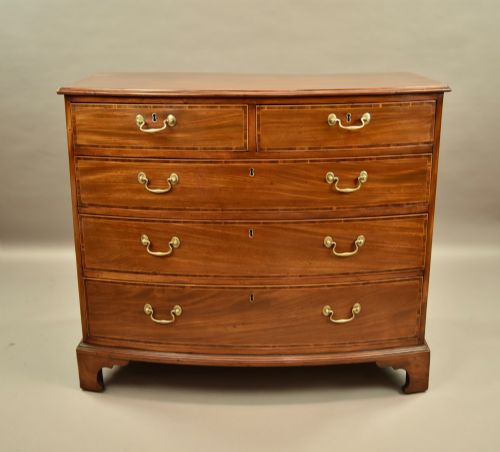
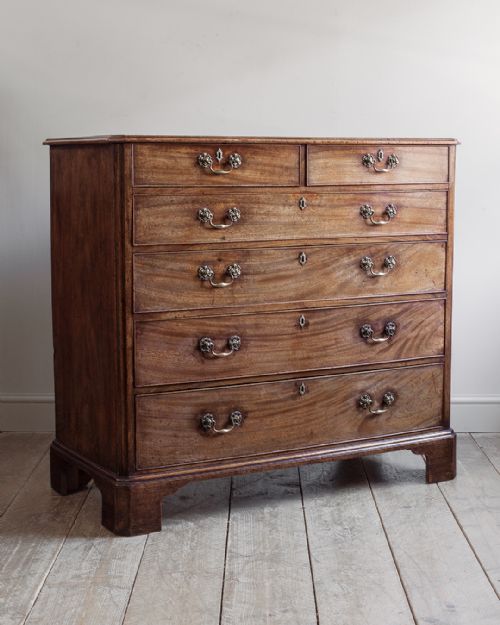
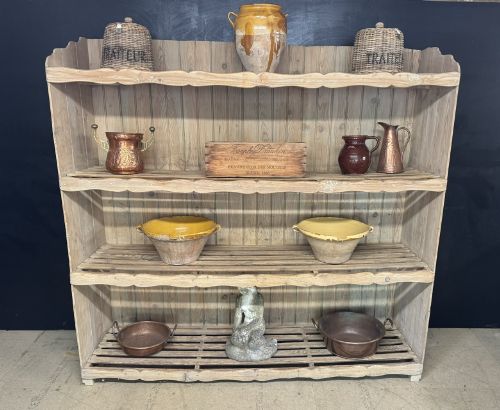
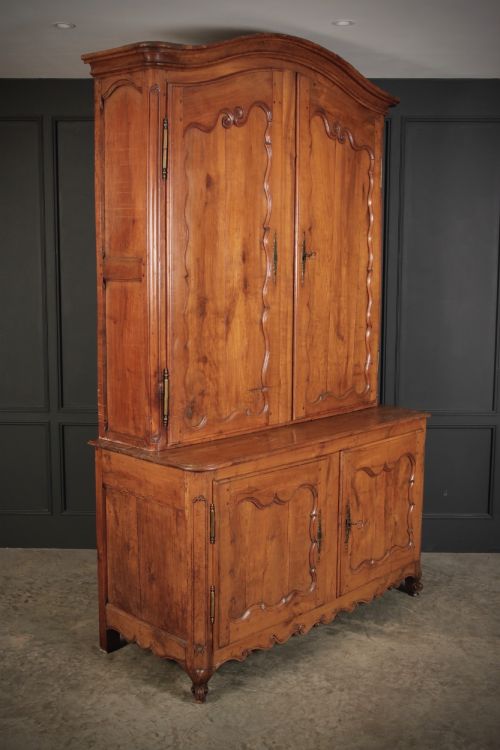
Large Wooden Dresser
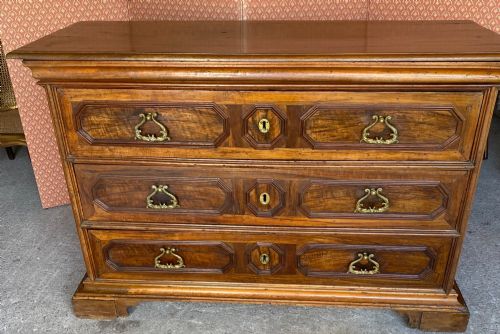
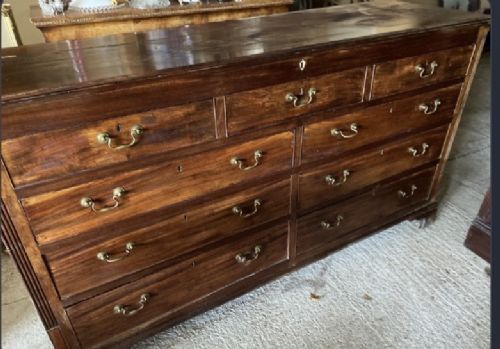
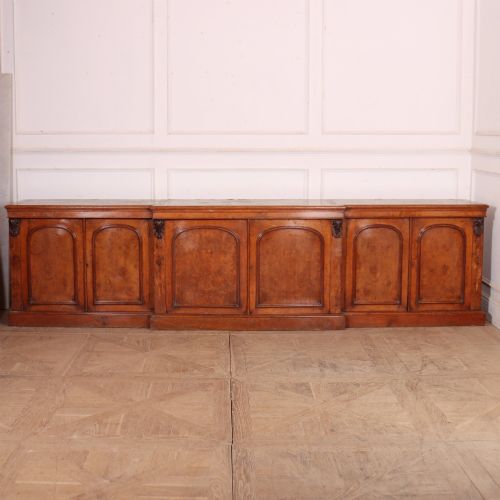
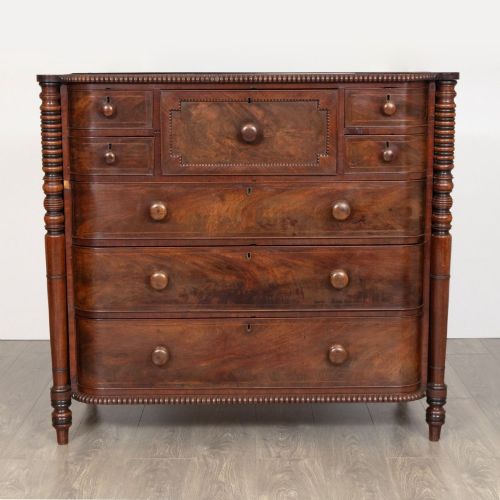
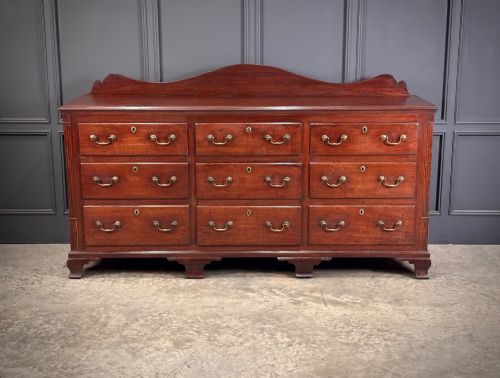
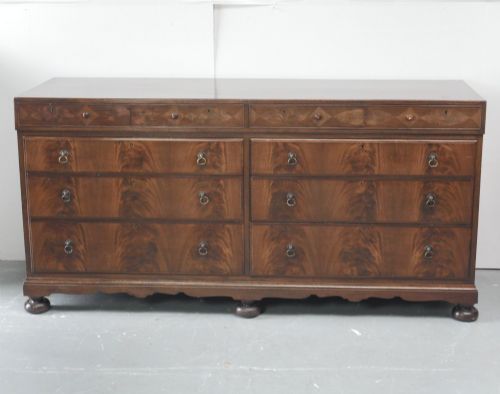
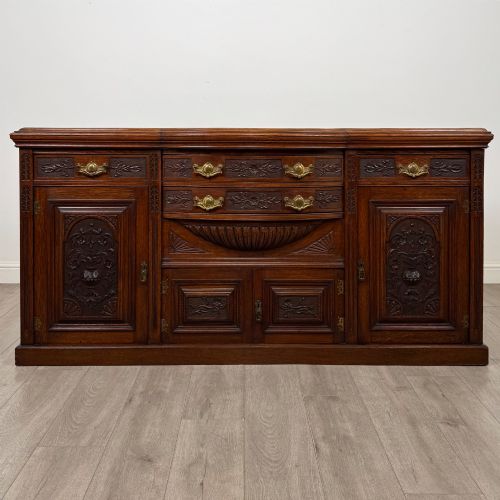
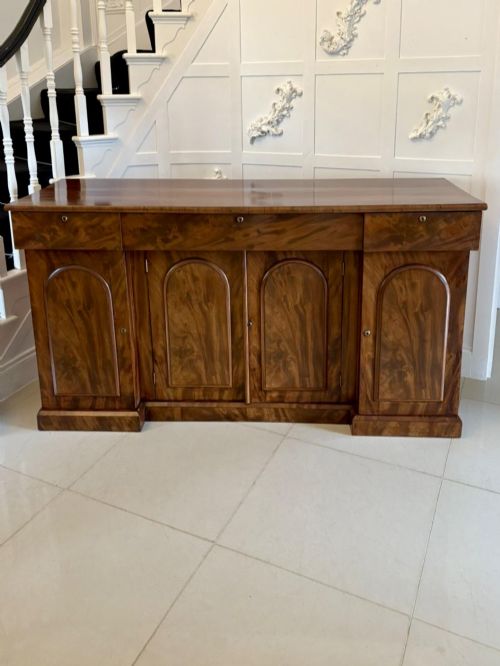
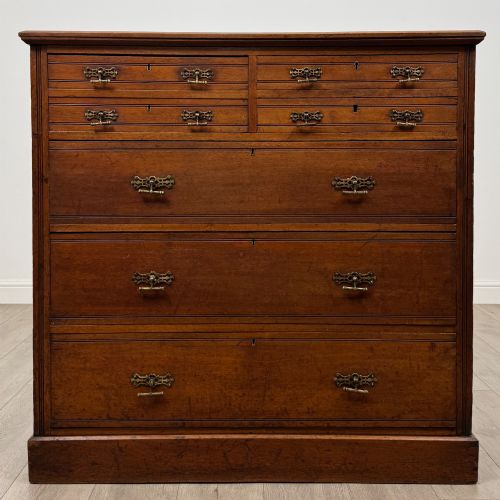
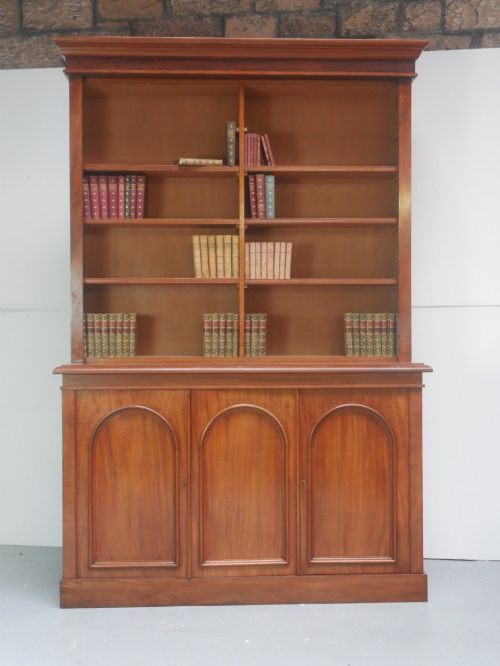
A large antique wooden dresser brings robust storage and deep historical character to a room, offering substantial timber surfaces designed for practical household use.
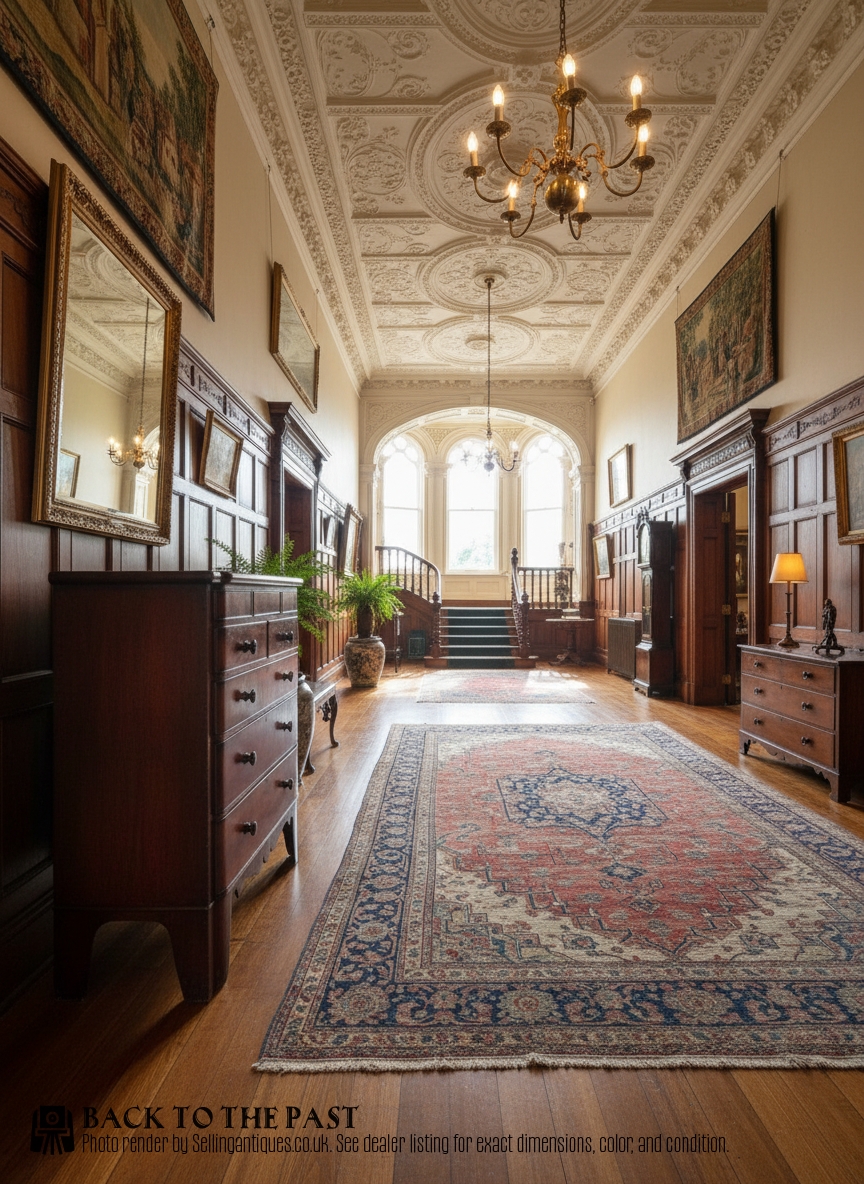
Large Wooden Dresser
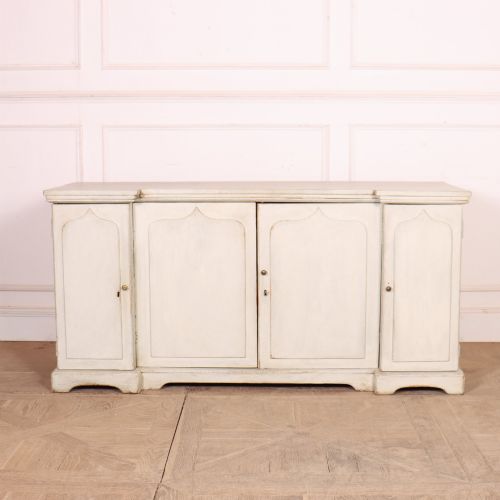
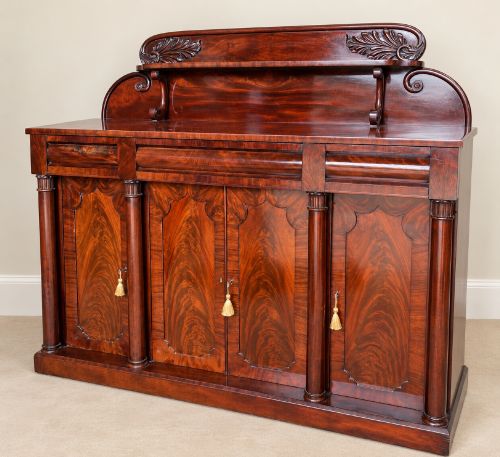
A large antique wooden dresser encompasses substantial storage forms, including English painted kitchen dressers, breakfront dresser bases, potboard serving tables, and allied timber storage pieces. Buyers searching for a large antique wooden dresser encounter robust items originating from the eighteenth century, the nineteenth century, and the Edwardian era.
The selection spans distinct regional styles and forms, ranging from English country house pieces to French provincial examples and Scottish items. These substantial furniture items served traditional domestic duties in kitchens, dining spaces, and housekeeper rooms, providing ample capacity for dishware, linens, and provisions.
Makers and workshops across Britain and continental Europe utilised native and imported hardwoods and softwoods to build these utilitarian centerpieces. Surviving examples display the functional evolution of storage furniture across successive design periods.
Materials and Construction
Makers built these large storage items using a combination of solid hardwoods such as mahogany, oak, walnut, cherry, and chestnut, alongside durable pine. Timber selection dictated the structural integrity and visual weight of each piece, with dense woods offering longevity in busy domestic environments.
Construction methods relied on traditional joinery, including dovetailed drawer boxes and mortise and tenon frames, reinforced with brass or metal hardware. Surfaces frequently received wax finishes, paint layers, or polished veneers, while decorative elements incorporated mother of pearl inlay and carved detailing.
Several heavy pine pieces retain layers of historic Hungarian paint, preserving the stubborn colours chosen by nineteenth-century households.
Defining Quality in Period Storage
Quality in these large timber pieces rests upon the selection of figured wood grains, such as flame mahogany or burr walnut, and the integrity of the original construction. Superior examples retain their initial surface treatments, whether historic paint or hand-polished timber, without excessive structural alteration.
Refinement in secondary details, such as hand-cut dovetails, well-fitted drawers, and intact period brass handles, distinguishes standard utility items from master-built furniture. The balance of proportions and the crispness of any applied carving further elevate the standing of an individual piece within its period.
Whytock And Reid·Jas Shoolbred
The Large Wooden Dresser Glossary
- Dresser base
- The lower section of a kitchen dresser or a standalone sideboard equipped with cupboards and drawers. It provides a wide flat working surface and generous under-counter storage.
- Potboard
- An open slatted lower shelf built into a serving table or dresser base. It was historically designated for storing heavy earthenware pots and kitchen utensils.
- Breakfront
- A cabinet or sideboard design where the central section projects forward from the flanking outer sections. This architectural arrangement creates depth and visual rhythm across the piece.
- Bowfront
- A convex, curved front facade characteristic of certain chests of drawers and sideboards. The gentle sweep softens the heavy rectangular mass of large timber furniture.
- Tallboy
- A tall chest of drawers constructed in two stacked sections, elevating storage capacity while retaining a compact floor footprint. They frequently incorporate secret drawers in the cornice.
Large Wooden Dresser: Frequently Asked Questions
Where should I place a large wooden dresser?
These substantial items suit spacious kitchens, dining rooms, or hallways where their depth and height do not crowd the floor plan. Ensure adequate wall clearance to let the timber proportions anchor the room.
Position the piece away from direct heat sources and strong sunlight to protect historic finishes and prevent timber shrinkage over time.
How do I care for antique pine and mahogany surfaces?
Dust regularly with a dry, soft cloth and feed waxed pine or polished mahogany periodically with a quality traditional beeswax. Avoid modern silicone sprays that build up and attract dust.
Keep indoor humidity stable to prevent wood movement, and use felt pads beneath objects placed on the top surface to guard against scratches.
What is the difference between a dresser base and a sideboard?
A dresser base typically originates from kitchen or pantry environments, featuring sturdy planked tops and utilitarian cupboard or drawer arrangements built for heavy daily use. Sideboards generally emerged from formal dining rooms with more decorative veneers and refined architectural styling.
Both serve similar storage functions today, though dresser bases often display a more robust, country-house aesthetic.
How can I date an antique wooden chest of drawers?
Examine the drawer construction and timber marks for clues to the manufacturing era. Hand-cut dovetails, irregular board thicknesses, and secondary woods like pine or oak indicate eighteenth or nineteenth-century origins.
Look at the hardware style, lock mechanisms, and overall patina, keeping in mind that handles and surface finishes were frequently updated during a piece's working life.