


Large Wall Platter
A large antique wall platter brings historical breadth and bold visual impact to an interior through substantial scale and intricate surface decoration.
Large Wall Platter
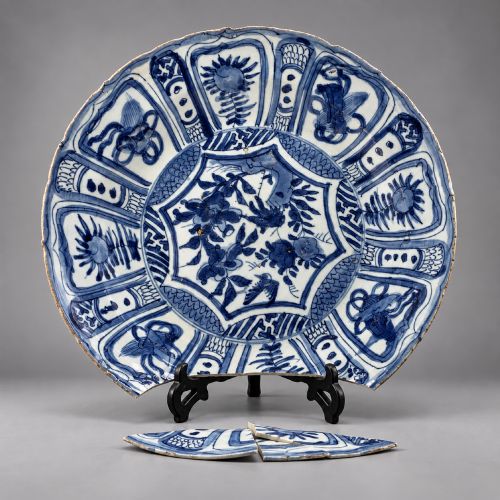
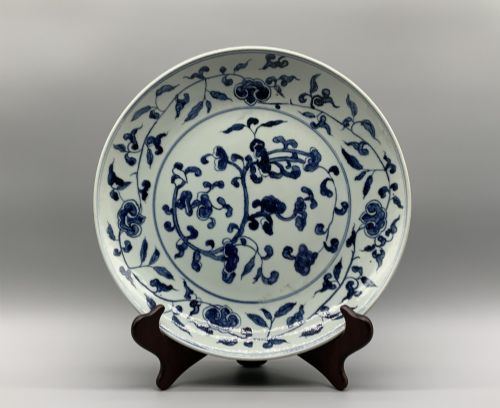
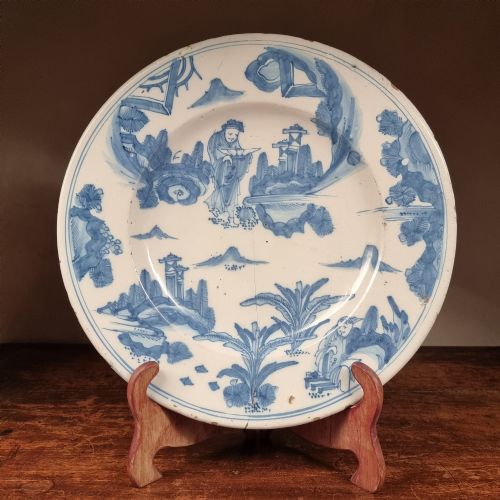
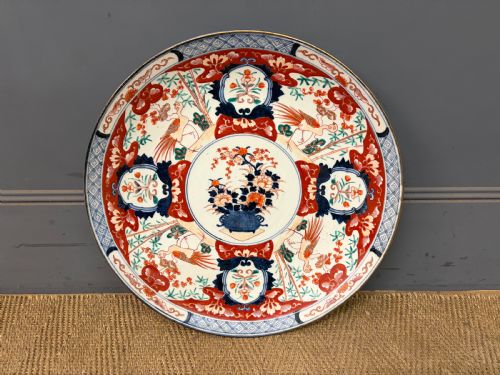
A large antique wall platter functions primarily as a decorative focal point rather than a utilitarian vessel, encompassing chargers, trays, and display plates produced across multiple centuries. These broad statement pieces originate from diverse global traditions, including Japanese Imari, Chinese porcelain centres, and European faience workshops.
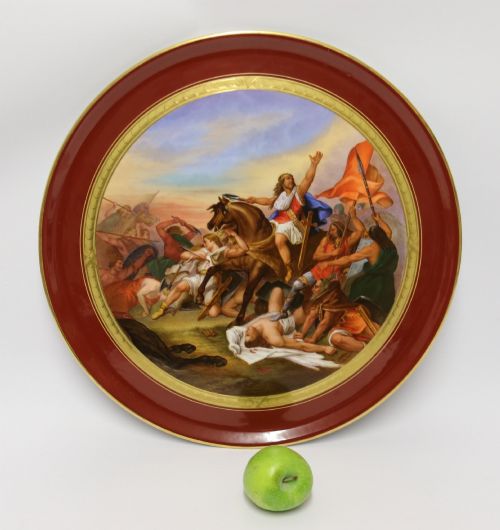
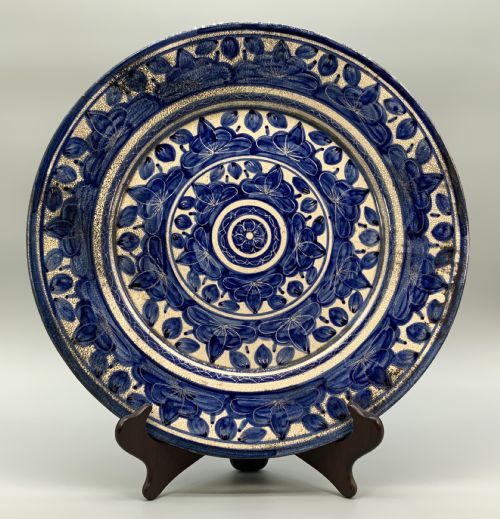
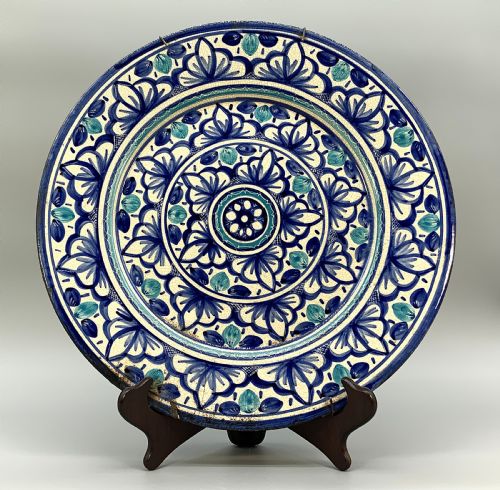
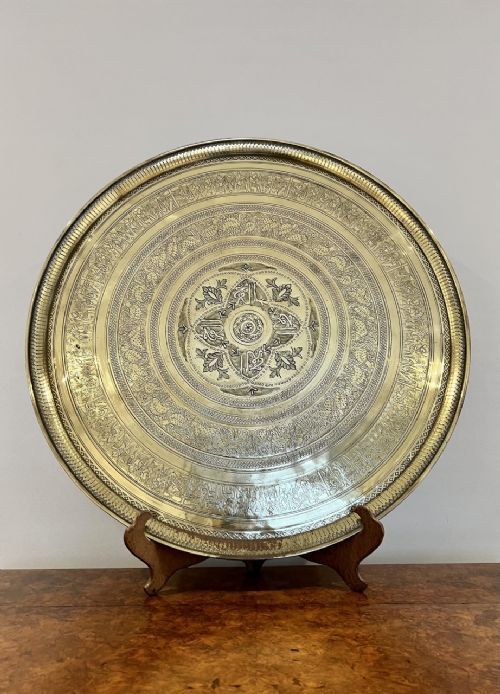
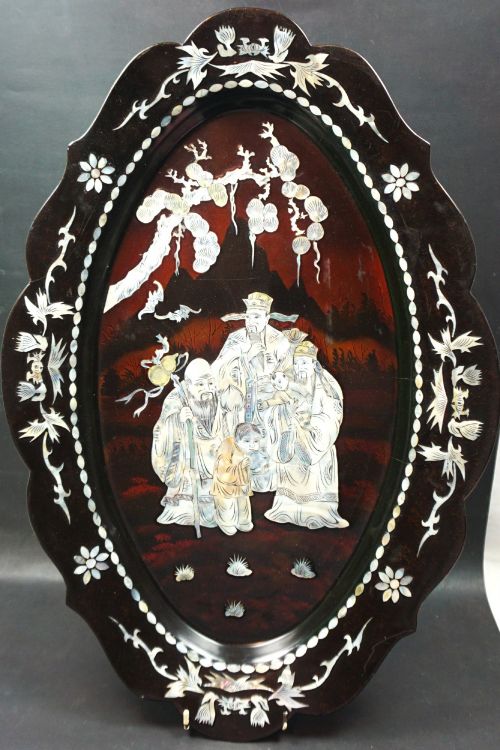
The selections encountered here frequently date from the nineteenth century into the early twentieth century, alongside earlier seventeenth and eighteenth-century examples. Common formats span deep circular brass trays, earthenware plates with historical scenes, and lacquered wood surfaces inlaid with mother of pearl.
Makers utilised the expansive surface area of a large antique wall platter to display complex narrative scenes, floral arrangements, and symmetrical geometric patterns. Such objects were traditionally hung directly onto walls or mounted on sideboard stands to demonstrate household prosperity.
Materials and methods of construction
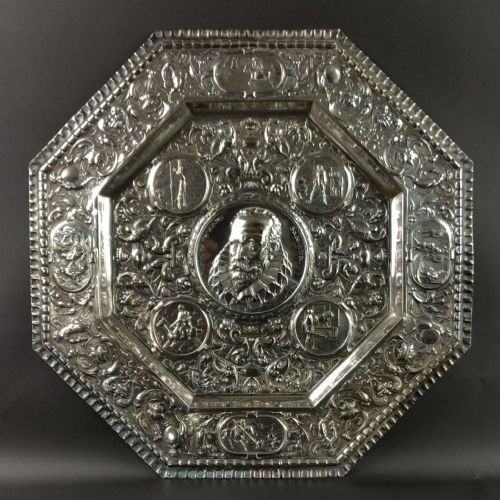
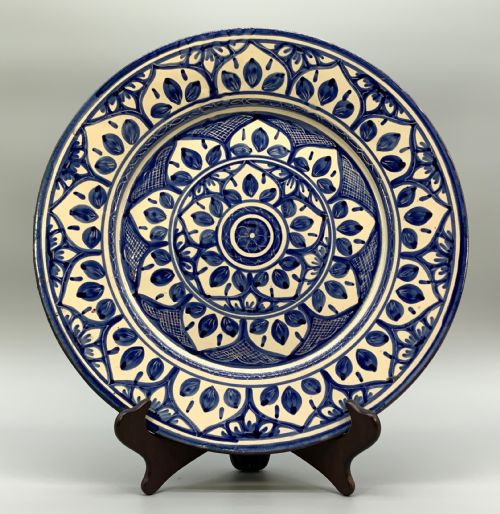
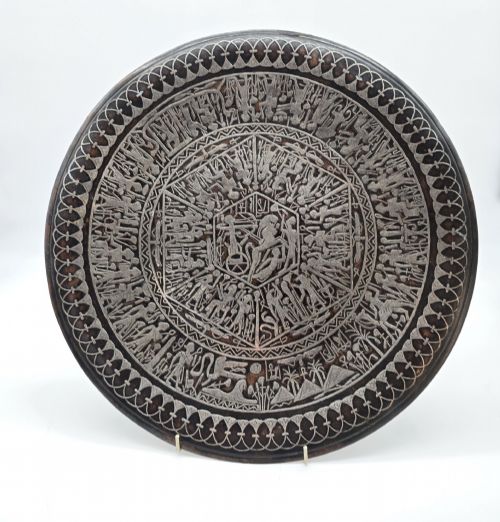
Pottery examples rely on ceramic bodies such as porcelain, earthenware, and delft faience, finished with opaque glazes or hand-painted cobalt blue pigments. Metal alternatives utilise copper, brass, and bronze, frequently decorated through hammering, repoussé relief work, or silver and copper inlay techniques seen in Cairo Ware.
Cloisonné enamel pieces employ delicate wire soldered to metal bases to create partitioned cells filled with coloured glass pastes before firing. Wooden variants combine lacquer finishes with organic inlays like mother of pearl to achieve durable, lustrous display surfaces.
An inquisitive metal owl gazes outward beside Mount Fuji on a heavy enamel tray from the eighteen-eighties.
Distinctions in craftsmanship and finish
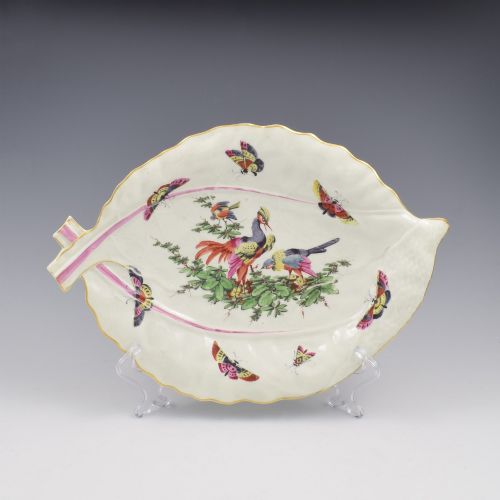
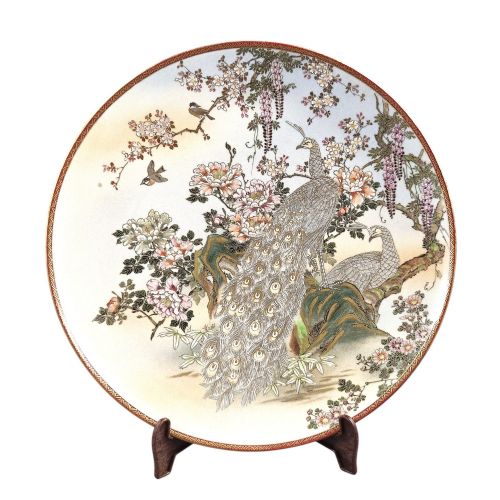
Quality rests upon the precision of the hand-painting, the depth of the metal repoussé work, and the clarity of the underlying glaze or enamel. Finer pieces demonstrate superior control in brushwork and more complex figurative detailing, such as multi-figure historical narratives or meticulously rendered plumage on avian motifs.
The integrity of the material foundation also governs the standard of the piece, distinguishing heavy, well-cast brass and high-fired porcelain from lighter commercial wares. Artisanal signature marks or provenance linked to established exhibition collections further elevate the standing of an individual object.
The Large Wall Platter Glossary
- Charger
- A large decorative plate traditionally used for display or ceremonial presentation rather than dining. These oversized vessels provide the primary canvas for elaborate pictorial and geometric designs.
- Repoussé
- A metalworking technique where a design is hammered into relief from the reverse side of the material. This method creates tactile, three-dimensional surfaces on brass, copper, and mixed metal trays.
- Imari
- A style of Japanese porcelain featuring distinctive cobalt blue and iron red underglazes, often highlighted with gold. The palette is immediately recognisable on numerous nineteenth-century display plates.
- Cairo Ware
- Islamic metalwork inlaid with silver and copper upon a bronze or brass ground, produced largely in Egypt during the late nineteenth century. These items display dense Arabic calligraphy and intricate geometric banding.
- Cloisonné
- An enamelwork process involving metal wires affixed to a body to form compartments that are filled with vitreous paste and fired. The technique yields durable surfaces with vivid polychrome imagery.
Large Wall Platter: Frequently Asked Questions
How were large wall platters displayed historically?
These decorative objects were mounted directly onto walls using specialised wire hangers or displayed upright on plate rails and sideboards within principal reception rooms.
Such placement allowed households to showcase wealth, artistic taste, and international trade connections to visiting guests.
What materials are common in antique platters?
Surviving examples encompass ceramic bodies like porcelain, earthenware, and delft faience alongside metallic mediums including brass, copper, and silver-plated bronze.
Alternative constructions feature lacquered wood with mother of pearl inlay and papier-mâché finished with hand-painted floral motifs.
How do I identify Japanese Imari styles?
Japanese Imari porcelain is characterised by a strong visual palette dominated by underglaze cobalt blue, iron red, and supplementary gold leaf accents.
Designs typically incorporate densely patterned borders surrounding central motifs of floral sprays, landscapes, or mythological figures.
Can these platters safely hang on walls today?
Most antique chargers and trays possess sufficient structural stability for wall mounting provided appropriate weight-rated hardware is utilised.
Proper brackets should distribute the load evenly along the rim without placing undue stress on historical glazes or delicate metal inlays.
What defines Cairo Ware metalwork?
Cairo Ware objects consist of bronze or brass vessels featuring intricate contrasting wire inlay of silver and copper across the entire surface.
This nineteenth-century decorative tradition draws heavily upon historic Islamic architectural motifs, geometric strapwork, and calligraphic friezes.