





Blue White Wall Plaque
A blue white wall plaque brings cobalt pattern and crisp ceramic glaze to an interior, offering centuries of decorative tradition.
Blue White Wall Plaque
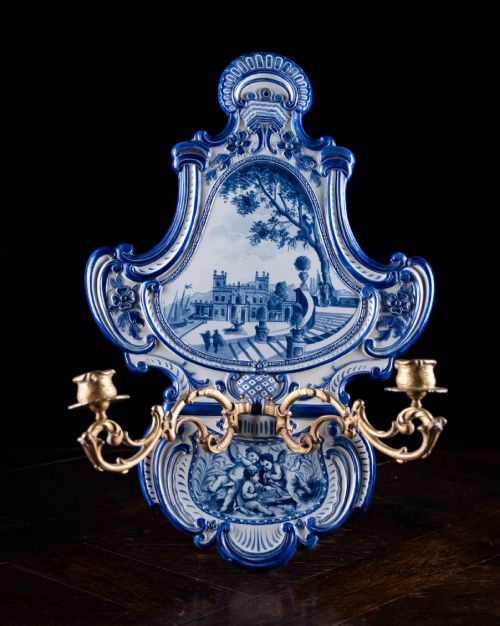
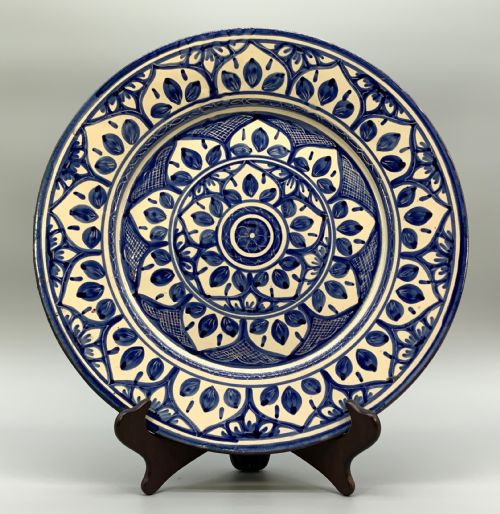
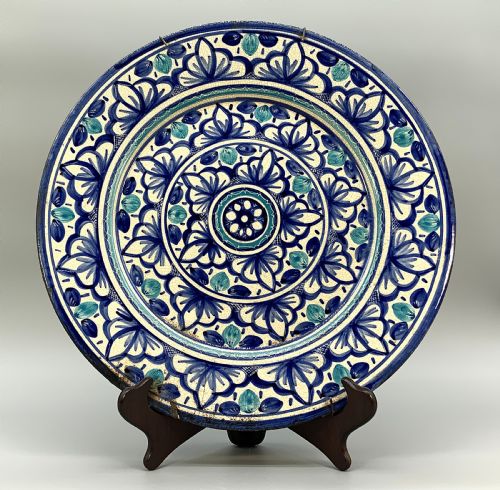
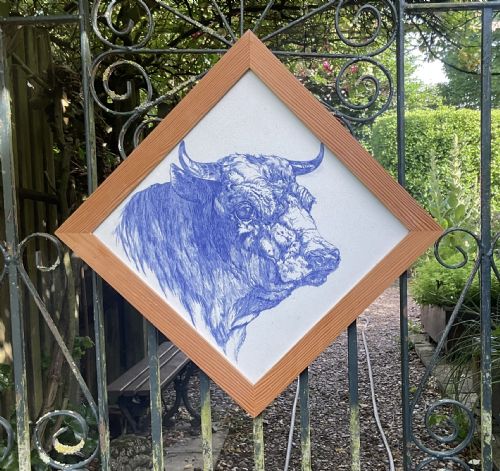
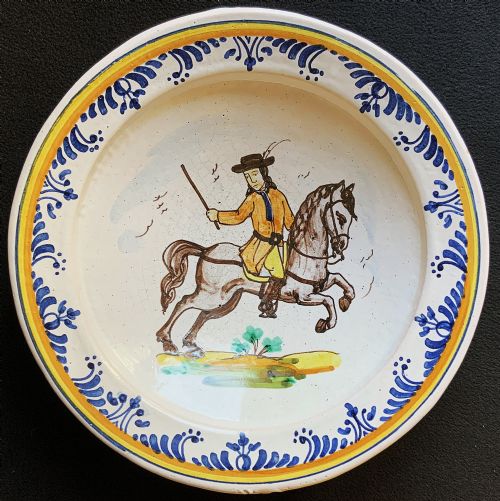
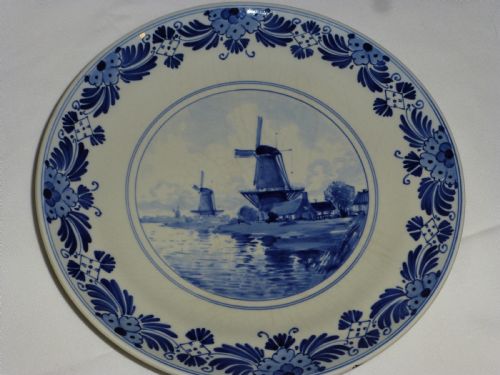
A blue white wall plaque encompasses large decorative chargers, framed devotional plaques, hand-painted platters, and pictorial tiles designed for suspension or display. Buyers searching for a blue white wall plaque encounter pieces ranging from eighteenth-century delft faience and tin-glazed earthenware to late nineteenth-century porcelain and industrial ceramic signage.
The assortment spans diverse stylistic revivals and origins, including Dutch baroque, Moorish style, Spanish catalana, and Japanese Meiji period works. Forms vary from monumental chargers depicting biblical scenes to salesman's sample jugs and portrait plates, united by their cobalt ornamentation upon a pale ceramic ground.
Distinguishing quality in ceramics
Quality reveals itself in the precision of the hand-painted brushwork, the depth and consistency of the cobalt pigment, and the stability of the glaze across the ceramic body. Early tin-glazed earthenware shows subtle undulations in the surface, whereas later porcelain and industrial tiles display uniform commercial production.
The sophistication of the stylistic execution - whether capturing the detailed narrative of a delft biblical plaque or the controlled precision of Japanese Meiji porcelain - determines the distinction between standard decorative wares and exceptional artistic achievements.
A solitary butcher's shop tile from 1904 shares wall space with centuries-old devotional Madonnas and Dutch Chinoiserie.
Villeroy & Boch·Royal Bonn·Mintons
The Blue White Wall Plaque Glossary
- Charger
- A large decorative plate or platter traditionally used for display on a wall or sideboard rather than dining. These substantial ceramic pieces form a core part of the available wall plaque selection.
- Faience
- Tin-glazed earthenware produced in Europe, particularly associated with Dutch, Spanish, and continental traditions. This technique provides the opaque white background characteristic of early blue and white plaques.
- Tin Glaze
- A lead glaze rendered opaque by the addition of tin oxide, creating a milky white surface suitable for cobalt painting. It defines the appearance of traditional delftware.
- Ormolu
- Gilt bronze mounts applied to ceramic vessels and plaques, particularly during the nineteenth century. These metal frames elevate wall sconces and decorative plates for formal display.
- Polychrome
- Decoration utilising multiple colours alongside cobalt blue, seen on Spanish catalana chargers and Dutch delft pieces. This contrasts with strict monochrome blue and white schemes.
Blue White Wall Plaque: Frequently Asked Questions
How do I hang a heavy ceramic wall charger safely?
Large chargers and plaques require specialised wall brackets or spring-loaded plate hangers designed to distribute weight evenly across the ceramic rim without causing stress fractures. Ensure the hanging wire or fixing is anchored securely into wall studs rather than plaster alone.
For exceptionally heavy tin-glazed earthenware and ormolu-mounted pieces, professional framing or custom metal cradles provide the most secure method for vertical display.
How can I tell eighteenth-century delft from later revivals?
Eighteenth-century delft pieces typically exhibit softer tin-glaze surfaces, subtle firing imperfections in the earthenware body, and hand-mixed cobalt pigments that sink slightly into the glaze. The brushwork tends to show organic variation typical of period workshop production.
Later nineteenth-century and twentieth-century revival pieces often feature whiter, harder ceramic bodies, more uniform glaze application, and modern kiln marks that distinguish them from antique counterparts.
Were these plaques meant for walls or tables?
Most large decorative chargers, pictorial plaques, and platters were created specifically for display on walls, dressers, or mantelpieces rather than daily dining use. Many antique examples feature pierced footrings or built-in suspension holes designed explicitly for hanging.
Smaller tiles and salesman's samples served different purposes, such as architectural installation or commercial demonstration, but larger decorated plates functioned primarily as visual ornamentation.
How do I clean an antique ceramic wall plaque safely?
Dust antique tin-glazed earthenware and porcelain gently with a dry, soft microfibre cloth to prevent surface accumulation. Avoid using chemical cleaners, abrasive pads, or immersing fragile antique pottery in water, particularly pieces with historic glaze crazing.
If deeper cleaning is necessary for resilient ceramic surfaces or enamel signs, use a slightly damp cloth with mild soap, drying the piece immediately afterwards to protect the glaze.