

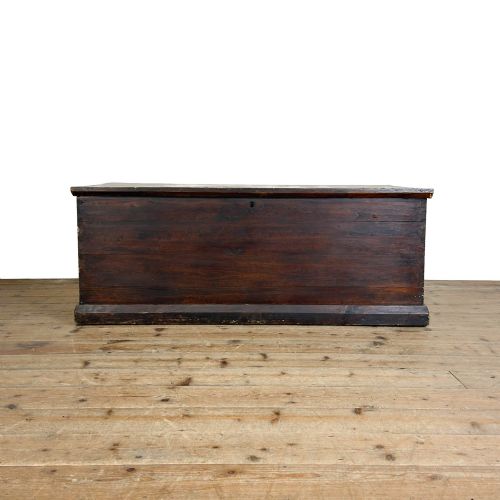


Large Mule Chest
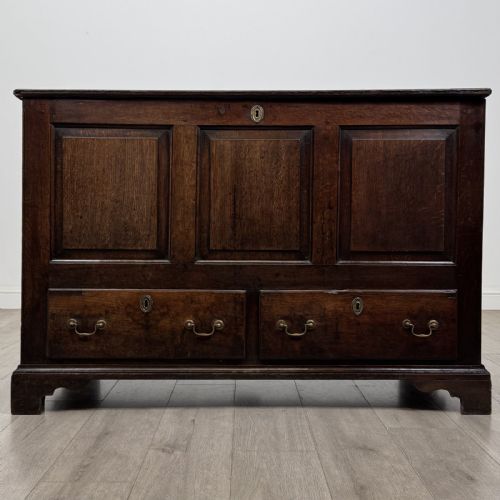
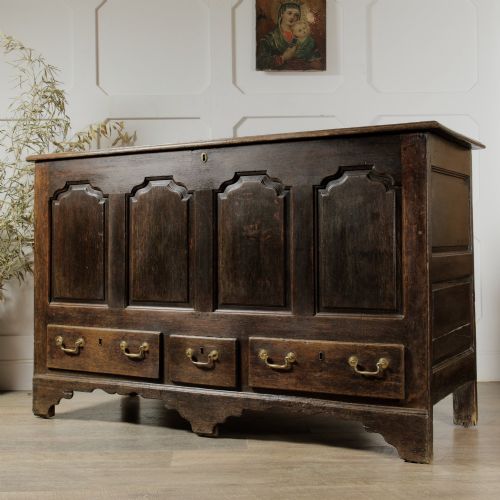
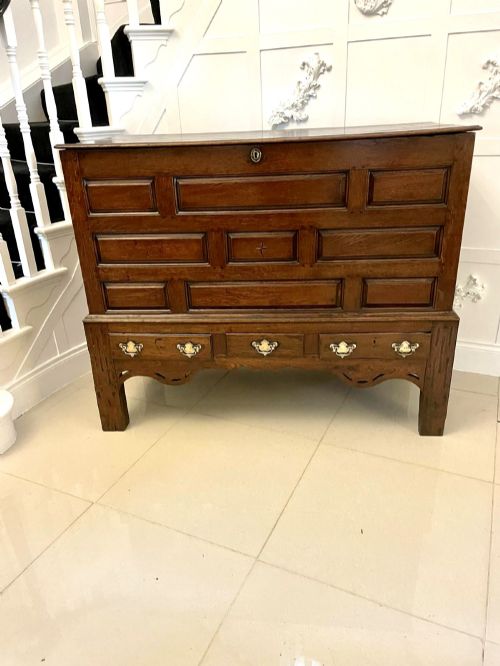
A large antique mule chest brings generous storage and solid vernacular character to a room, combining a traditional blanket box with practical lower drawers.
Large Mule Chest
A large antique mule chest is essentially a traditional coffer fitted with one or more drawers at the base, creating a hybrid storage piece that developed during the seventeenth and eighteenth centuries.
The versions met most often on this page span the seventeenth, eighteenth, and nineteenth centuries, taking the form of sturdy oak or pine constructions rooted in English, Welsh, and regional country traditions.
These pieces function primarily as blanket boxes and storage chests, offering deep top-opening compartments alongside functional drawer space beneath.
How they were made
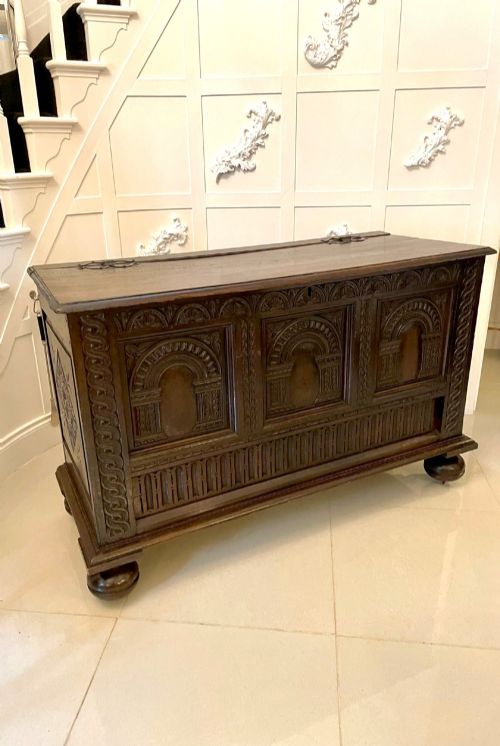
Joiners built these chests predominantly from solid oak and pine, frequently incorporating structural panelwork, hand-carved details, and occasionally mahogany crossbanding for decorative contrast.
Surface finishes applied to the timber include traditional wax, paint, and natural ageing, complemented by functional iron and brass hardware such as hinges, escutcheons, and drawer pulls.
Large Mule Chest Retail Price Guide 2026
Typical asking prices for large mule chest among the pieces listed under this phrase on Sellingantiques today, from the lower quarter to the upper quarter. They describe what is for sale here now, not the wider market.
Listings feature periods ranging from the seventeenth century through the Victorian era, executed in oak, pine, and mahogany.
What varies in quality
Quality in these chests rests upon the calibre of the joined timber, the depth and precision of any carved ornamentation, and the structural integrity of the lower drawer housing.
Pieces displaying regional stylistic details, such as inlaid panels, crossbanding, or integrated candle boxes inside the upper compartment, tend to represent more sophisticated cabinet-making.
The Large Mule Chest Glossary
- Mule chest
- A storage chest featuring a trunk compartment above one or more base drawers. This hybrid form bridged the gap between the traditional coffer and the chest of drawers.
- Coffer
- A heavy wooden chest traditionally used for storing valuables, textiles, or documents. Early examples often relied on joined panel construction.
- Crossbanding
- A decorative border technique where thin strips of veneer are laid across the grain of the primary wood. This method often frames drawer fronts or panel edges on Georgian pieces.
- Candle box
- A small internal compartment fixed inside a chest to hold tallow candles away from linens. Its presence indicates a well-appointed vernacular piece.
- Vernacular
- Regional furniture built by local joiners using traditional methods and native timbers. These pieces reflect distinct geographic styles rather than metropolitan fashions.
Large Mule Chest: Frequently Asked Questions
What is a mule chest?
A mule chest is a storage chest that combines a hinged lid opening above with one or more drawers built into the base.
This practical hybrid evolved to offer the deep capacity of a traditional coffer alongside easier access to smaller items stored in the lower drawers.
How do I date a mule chest?
Dating relies on observing construction methods, timber choices, and stylistic details such as panel configurations and hardware.
Early seventeenth-century examples often display heavy joined oak and geometric carving, whereas Georgian and Victorian pieces show shifts toward mahogany crossbanding, pine construction, and refined drawer arrangements.
Where were mule chests used?
These chests served primarily in domestic settings such as bedrooms and halls for storing household linens, blankets, and clothing.
The inclusion of lower drawers meant frequently used items could be retrieved without needing to lift heavy items off the top lid.
What is the difference between a coffer and a mule chest?
A standard coffer consists solely of an upper compartment accessed via a hinged lid on top.
A mule chest incorporates one or more drawers beneath that main compartment, marking a distinct functional evolution in domestic storage.