




Large Chinese Dish
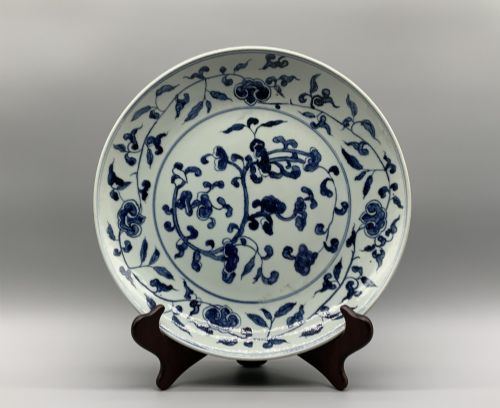
A large antique chinese dish brings centuries of ceramic mastery to a table, offering deep cobalt pigments and intricate painted scenes.
Large Chinese Dish
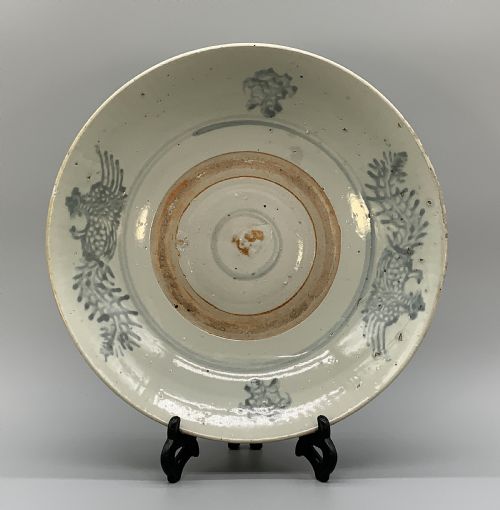
A large antique chinese dish encompasses wide chargers, heavy platters, and deep decorative bowls shaped across multiple dynasties and centuries. These substantial vessels range from early celadon dishes and Ming dynasty Swatow ware to later Qing dynasty porcelain and export pieces.
The version most commonly encountered on this page is the blue and white porcelain charger, often bearing cobalt pigment painted beneath a clear glaze. Alongside these, collectors will find famille rose and famille verte enamel decorated plates originating from later periods.
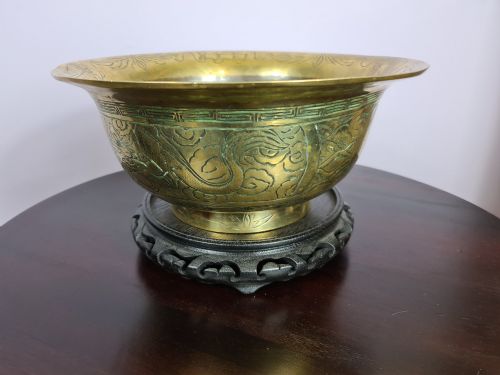
The forms extend from shallow serving dishes and meat plates to specialised brush washers and heavy brass bowls. Each object reflects the utilitarian and decorative traditions of its specific era, spanning from the Yuan dynasty up to the early twentieth century.
How They Were Made
Potters utilised fine white clay to form the body of the porcelain vessels, shaping them by hand or upon a wheel before applying mineral pigments. Cobalt glaze and cobalt pigment provided the deep blue tones seen in early wares, while enamel added rich polychrome detail to later pieces.
Firing took place inside high-temperature kilns, where skilled artisans managed the heat to vitrify the porcelain body and fuse the painted decoration with the transparent glaze. Selected pieces incorporated additional decorative elements such as gold leaf or intricate brass mounts.
One determined dragon plaque circa eighteen hundred evidently watched centuries pass while holding its ground on a heavy brass body.
What Varies in Quality
The fineness of the painted brushwork dictates much of the visual merit, separating hastily rendered export items from master-painted imperial commissions with detailed court life scenes. Precision in the potting, weight of the porcelain, and stability of the glaze further distinguish superior examples.
Historical significance and period authenticity anchor the standing of each piece, with earlier Yuan, Ming, and Kangxi period works commanding particular attention. The vibrancy and preservation of the original enamels or cobalt pigments remain central to the integrity of the surface.
The Large Chinese Dish Glossary
- Charger
- A large decorative plate or platter typically exceeding standard dinnerware dimensions. These impressive pieces were designed primarily for display on sideboards or walls.
- Famille Rose
- A palette of opaque enamel colours dominated by pink or rose hues, introduced during the Qing dynasty. This technique allowed for nuanced shading in floral and figural motifs.
- Kraak porcelain
- Chinese export porcelain produced mainly during the Wanli period, distinguished by panelled borders and central motifs of birds, flowers, or aquatic landscapes.
Large Chinese Dish: Frequently Asked Questions
How were large Chinese dishes used historically?
These substantial vessels served both functional and decorative roles within households, acting as serving platters for communal banquets or as grand display pieces on tables and walls.
Export wares often travelled to European markets where they demonstrated the wealth and refined taste of their owners, while domestic pieces held ritual or everyday utility.
How do I identify a Kangxi period dish?
Dishes from the Kangxi reign often feature vibrant cobalt blue pigments applied in varying washes to create a sense of depth, commonly paired with fine white porcelain bodies.
Inspect the base for period marks or art symbols, though many quality export pieces relied on Chenghua mark imitations or carried simple auspicious symbols instead.
What is the difference between Famille Rose and Famille Verte?
Famille verte relies predominantly on a transparent green enamel combined with iron red, yellow, blue, and black to create bright, multi-coloured compositions.
Famille rose introduces an opaque pink or purple enamel derived from colloidal gold, which softer transitions and a warmer palette characteristic of later Qing wares.