



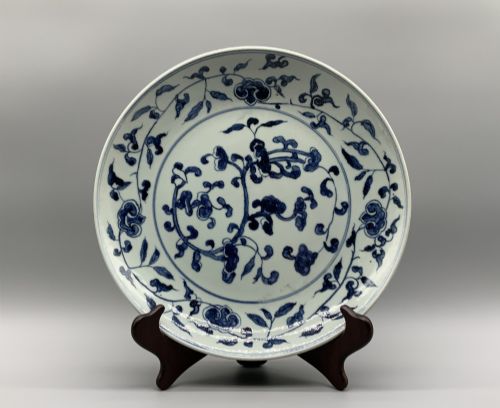

Large Charger
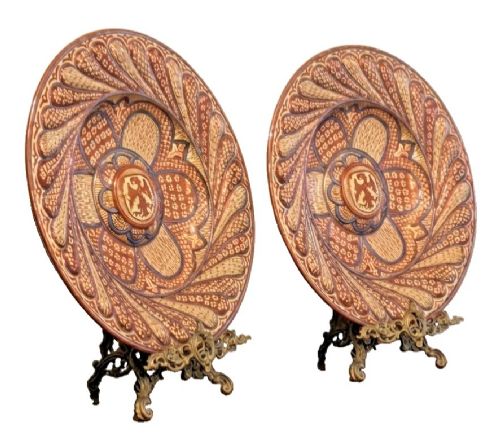
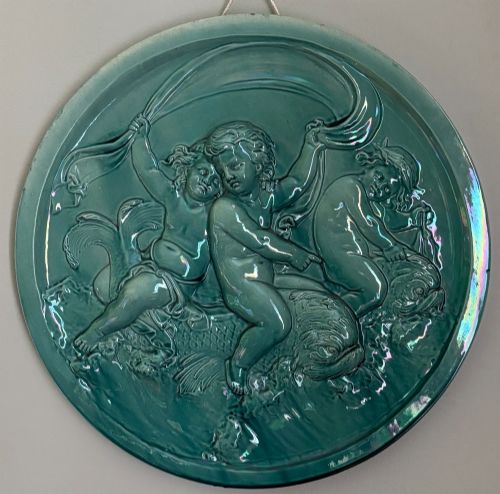
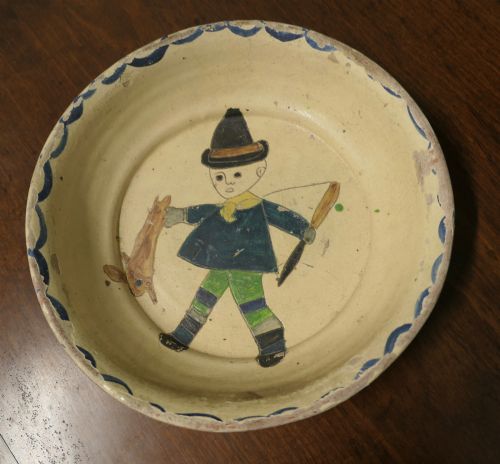
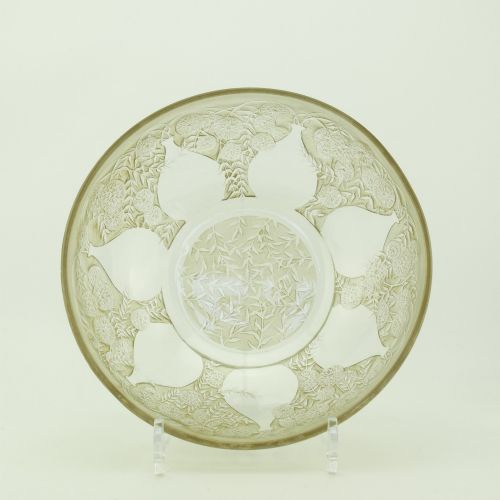
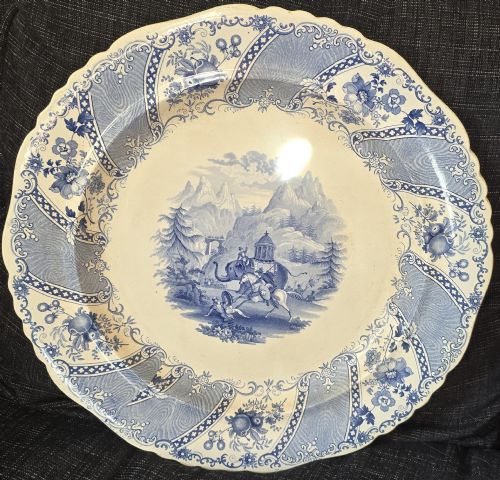
A large antique charger commands a room when hung upon a wall or set as a centrepiece, offering generous surface area for intricate ornament.
Large Charger
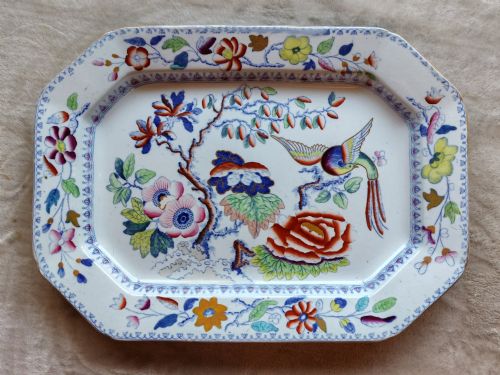
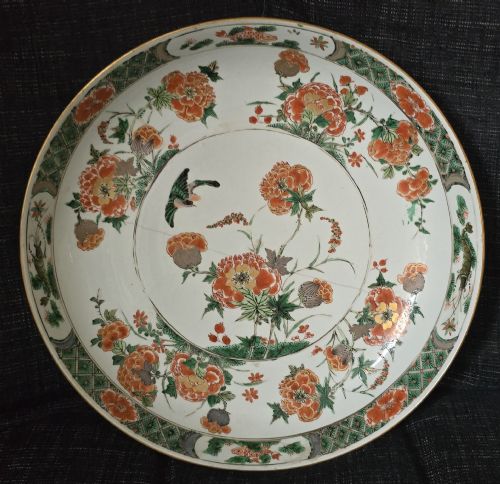
A large antique charger represents a broad display dish or platter created primarily for visual impact rather than dining use. When seeking a large antique charger, a buyer encounters wide platters spanning ceramic, porcelain, brass, and copper across multiple centuries.
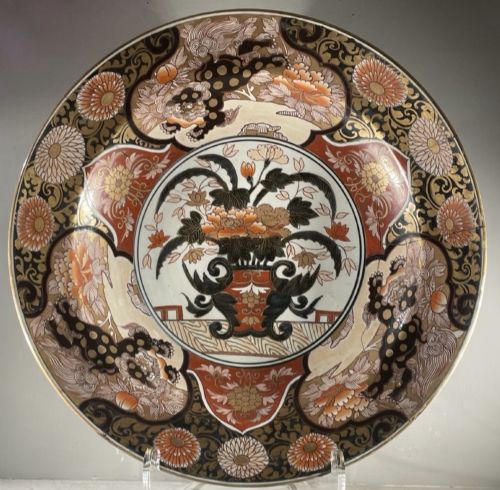
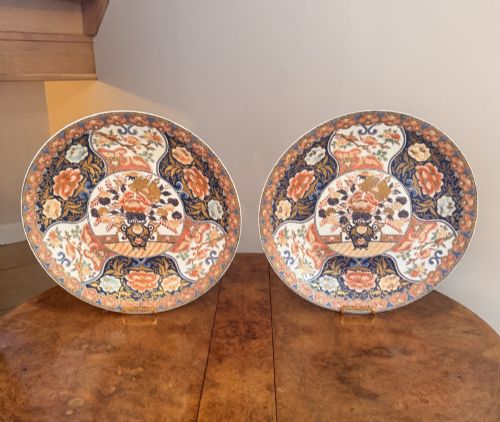
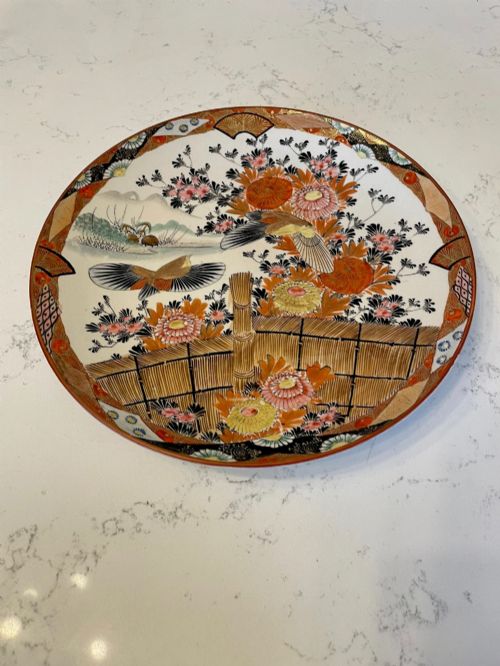
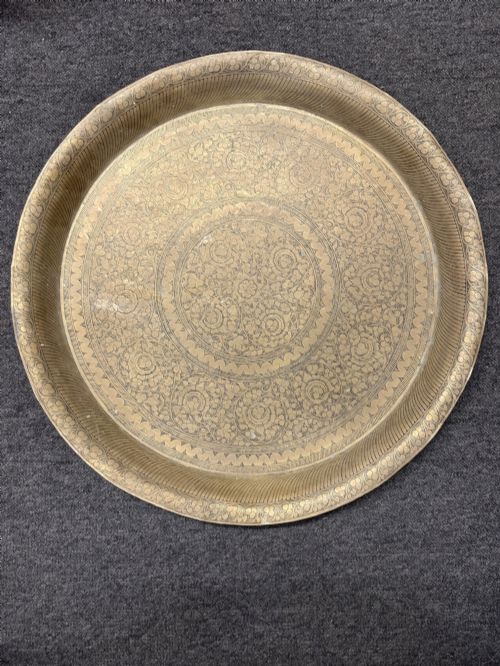
The selections span diverse origins, from Japanese Imari and Chinese blue and white porcelain to European Delft faience and Anglo-Indian engraved brass. Pieces emerge from periods ranging through the seventeenth, eighteenth, nineteenth, and early twentieth centuries.
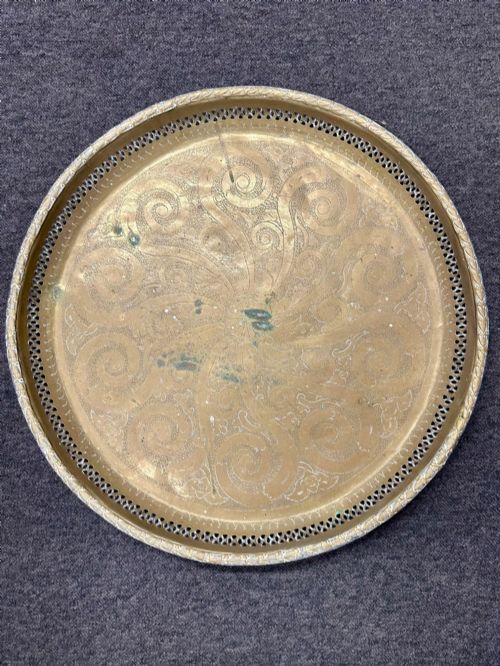
Forms include scalloped-edge bowls, circular plates, and deep wall platters. Japanese Imari porcelain and engraved brass trays from around nineteen hundred appear frequently within the current selection.
Materials and production methods
Potters and artisans shaped these large pieces using clay bodies such as earthenware, porcelain, and stoneware, alongside metals like brass and copper. Ceramic examples received hand-painted pigments underglaze or overglaze, transfer printing, or tin-glazing to produce opaque white surfaces.
Metal vessels display intricate hand engraving, piercing, and repoussé work where designs are hammered from the reverse to create relief. Specialised techniques include cloisonné enamelling and moriage slip decoration applied to Japanese ceramic bodies.
Large Charger Retail Price Guide 2026
Typical asking prices for large charger among the pieces listed under this phrase on Sellingantiques today, from the lower quarter to the upper quarter. They describe what is for sale here now, not the wider market.
The listings encompass materials ranging from brass, copper, and enamel to porcelain, earthenware, and gold leaf.
Judging the quality of a charger
Quality rests upon the crispness of the hand-painted detail, the depth and control of the engraving, and the preservation of the original glaze or metal surface. Superior ceramic examples show precise brushwork and balanced compositions without heavy firing distortions across their broad diameters.
The distinction between standard production and exceptional work lies in the hand of the artist, visible in signed pieces and deeply articulated relief metalwork. The integration of form and ornament dictates whether a platter maintains its visual tension across such a wide expanse.
William Smith And Co·Rene Lalique·Seaton Pottery·Clement Messier
The Large Charger Glossary
- Charger
- A large decorative plate or shallow dish originally used for ceremonial dining or displayed upright on sideboards. These wide vessels provide an expansive canvas for pictorial and geometric ornament.
- Imari
- A style of Japanese export porcelain featuring deep cobalt blue and iron red combined with gilt highlights. The palette originates from kilns in the Arita area during the Edo period.
- Delft
- Tin-glazed earthenware produced in the Netherlands and England, typically painted with blue designs on a white background. Continental makers also produced polychrome variants with diverse floral or pictorial motifs.
- Repoussé
- A metalworking technique where the artisan hammers the design from the reverse side to form a raised relief on the front. This method gives brass and copper trays tactile depth.
- Famille Rose
- A palette of Chinese porcelain decoration dominated by opaque pink or rose enamel introduced during the Qing dynasty. The style includes complex floral and figural compositions.
Large Charger: Frequently Asked Questions
How were large antique chargers displayed in historic homes?
Historic interiors utilised these wide platters as sideboard centerpieces or hung them directly on walls using specialised wire brackets. Their generous diameters allowed decorative scenes to catch ambient light from across the room.
Dining rooms and hallways featured them to project hospitality and showcase acquired global wares. The substantial scale ensured the ornament remained visible from a distance.
What is the difference between a charger and a serving platter?
A charger serves primarily as an ornamental wall hanging, a base plate for other dishes, or a decorative display piece. Its broad expanse prioritizes artistic narrative over functional food service.
Serving platters feature utilitarian shapes designed specifically for carrying meats and provisions to the table. Historic chargers often display delicate painted surfaces or pierced brass rims unsuited for heavy dining use.
How do I care for a metal wall charger?
Brass and copper surfaces require gentle dusting with a soft, dry cloth to prevent the accumulation of airborne particles. Avoid harsh chemical polishes that strip away historic patinas and aged surface character.
Display the piece away from direct sunlight and damp environments to protect the integrity of the metal. Secure wall-hung items with appropriate weight-rated brackets designed for heavy metal trays.
Can antique ceramic chargers still be used for food?
Historic ceramic chargers, particularly tin-glazed earthenware and early soft-paste wares, possess fragile glazes susceptible to staining and scratching. Modern food acids can interact adversely with older lead or tin glazes.
Displaying these pieces visually preserves their fragile painted surfaces and structural integrity. Hand-washing with mild soap applies only if utility is required, though visual display remains the standard practice.