
Large Cabinet
When you search for a large antique cabinet, you enter a diverse world of substantial timber storage and display furniture spanning multiple centuries.
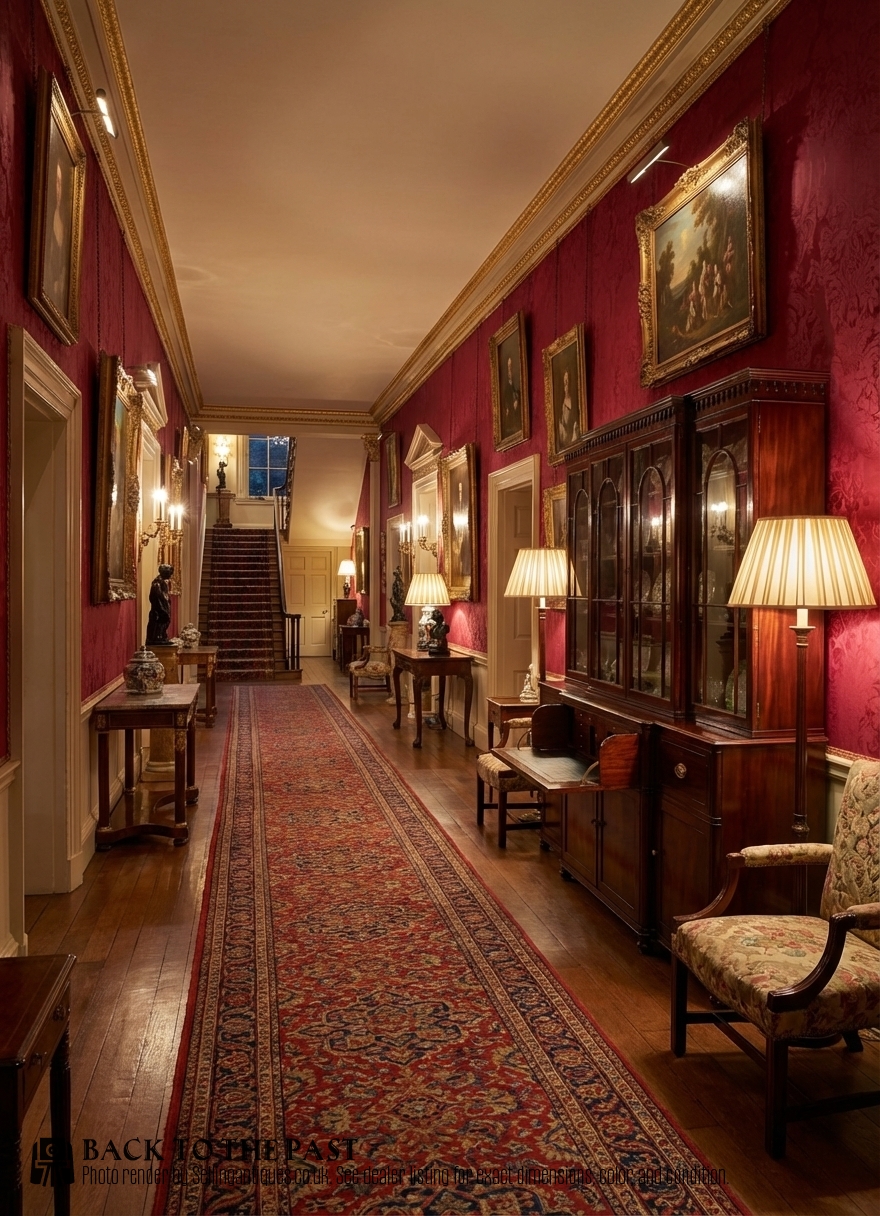
Large Cabinet
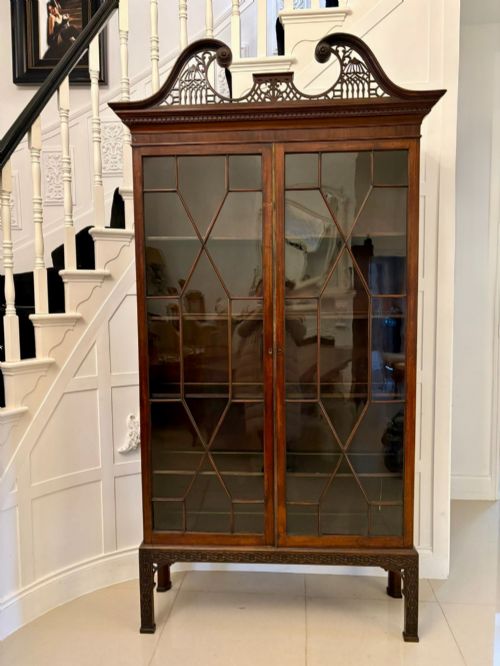
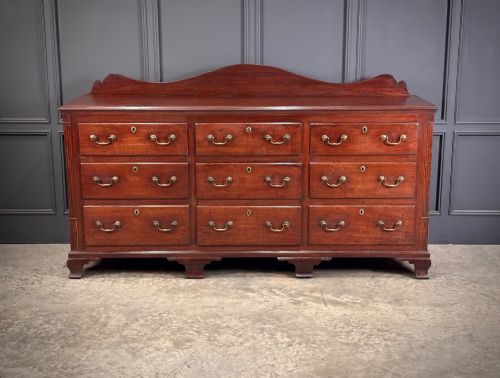
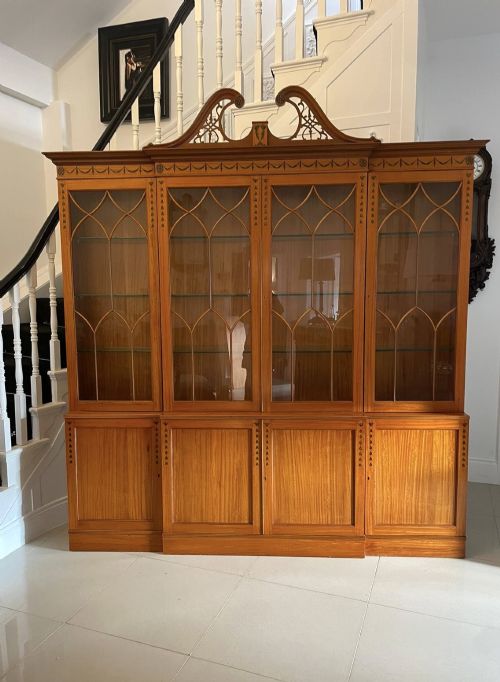
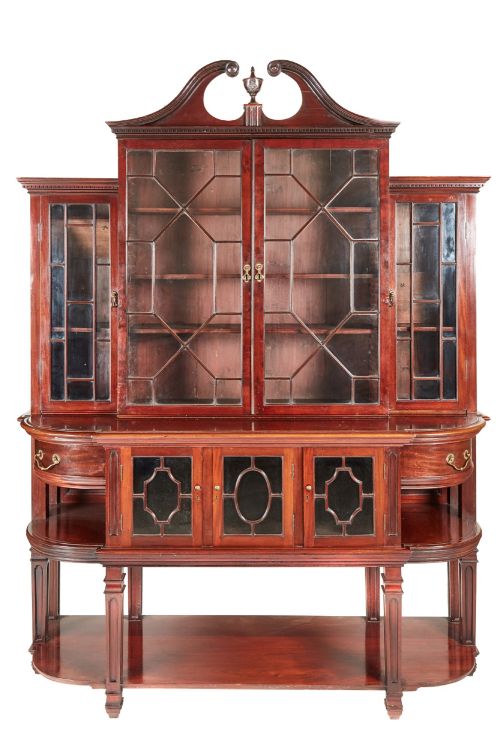
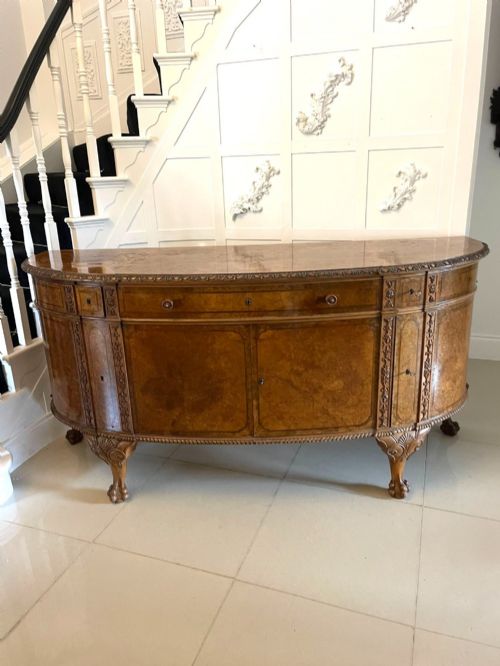
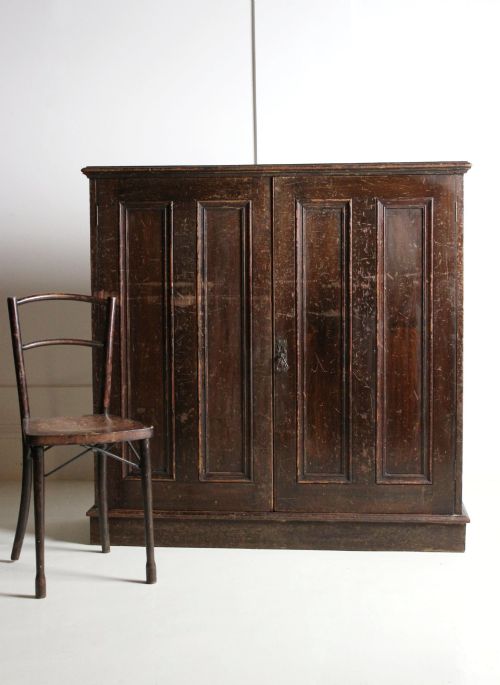
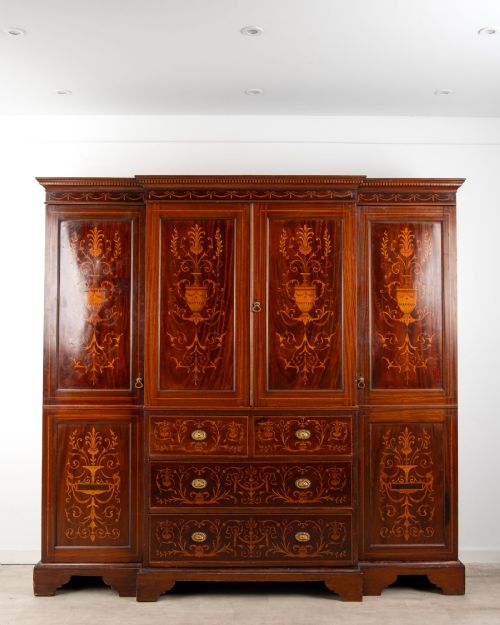
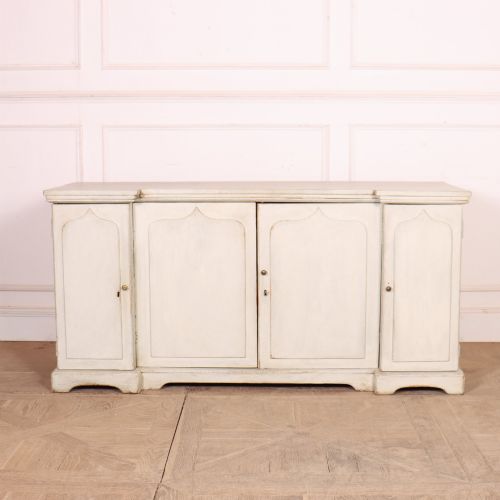
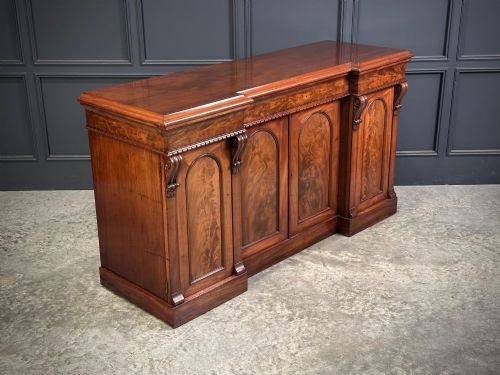
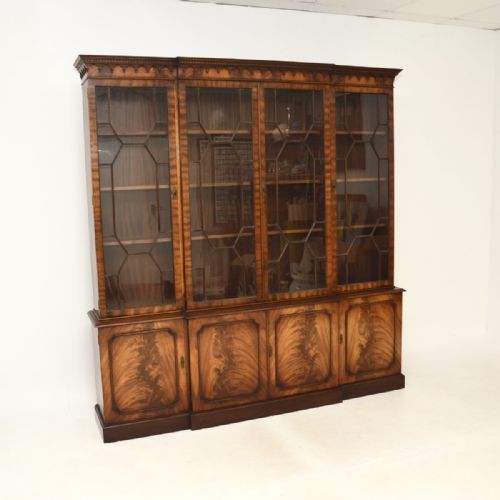
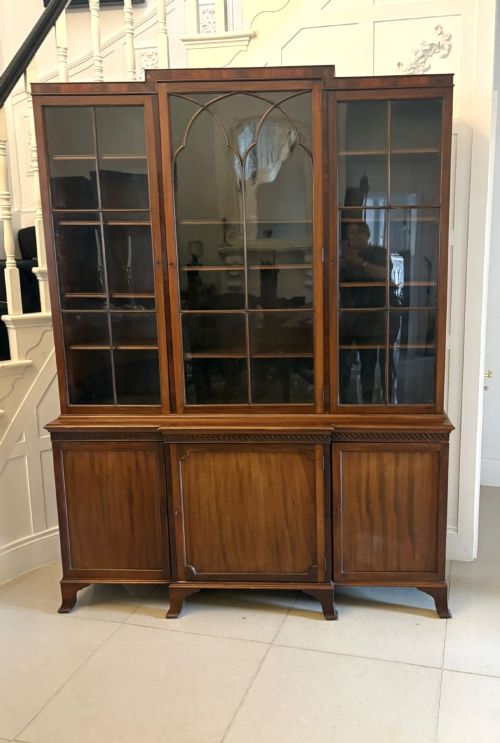
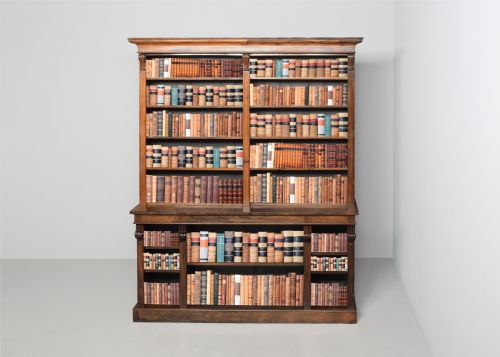
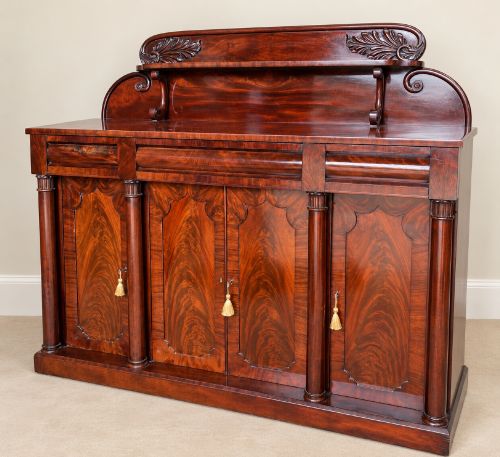
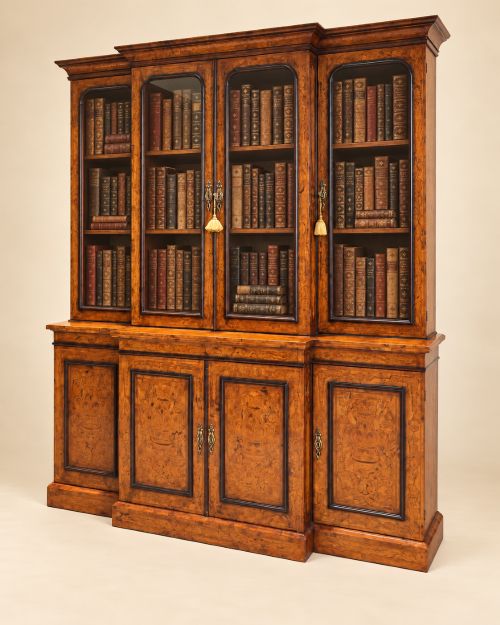
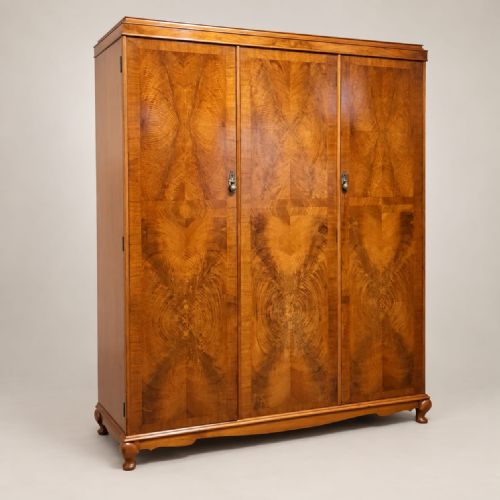
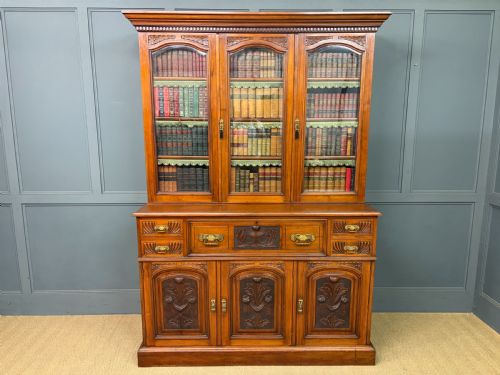
A large antique cabinet encompasses a wide variety of substantial wooden storage and display pieces designed for domestic or institutional interiors. The search phrase covers functional furniture forms ranging from glazed bookcases and breakfront display cabinets to heavy sideboards, wardrobes, and credenzas.
Victorian and 19th-century mahogany and walnut examples dominate the selection, alongside Edwardian pieces and earlier Georgian designs. Buyers frequently encounter breakfront bookcases, multi-door sideboards, and pine cupboards originating from English, French, and Dutch workshops.
These forms served practical purposes in historic homes, from holding libraries and porcelain collections to storing linen and dining silver. Their substantial proportions make them focal points in contemporary rooms requiring significant storage capacity.
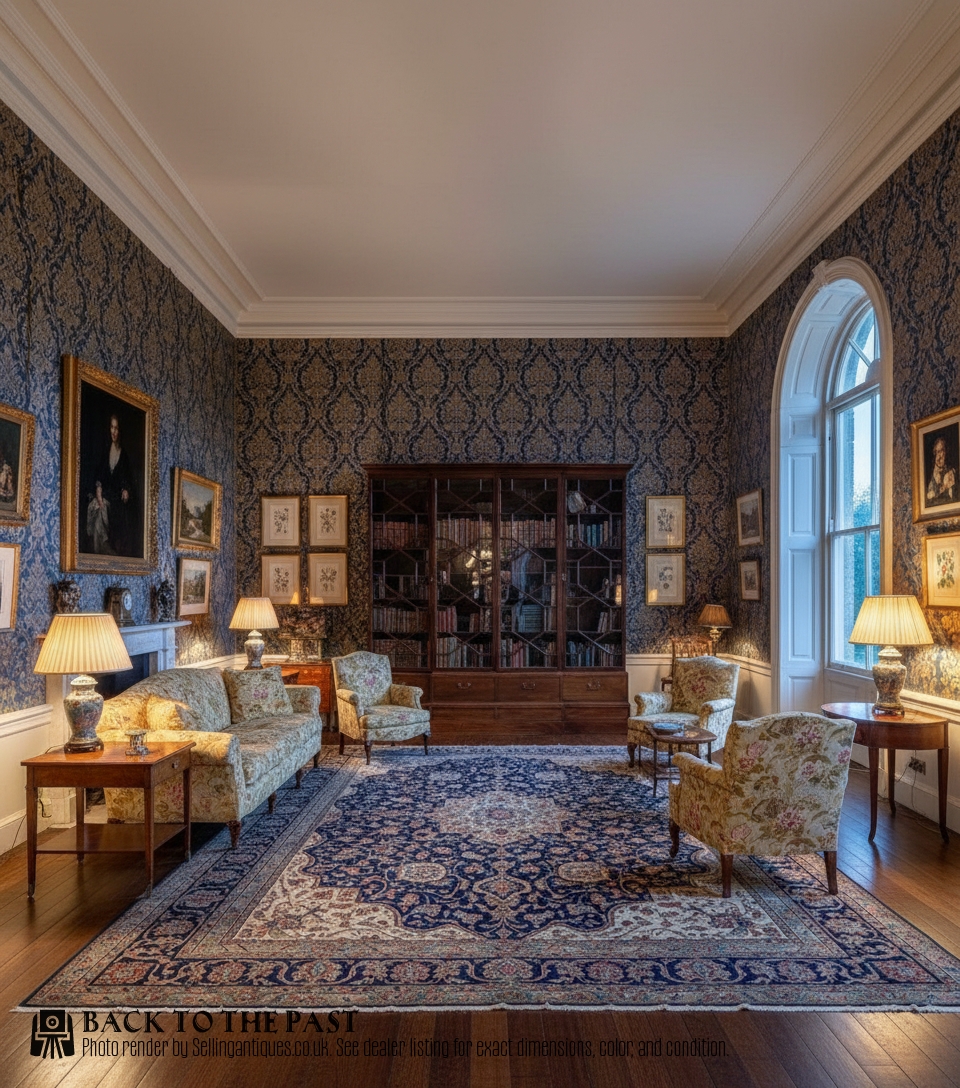
What varies in quality
The selection of timber underpins the distinction between standard and exceptional pieces, with highly figured burr walnut, flame mahogany, and satinwood commanding greater attention. The subtlety of grain matching across large breakfront surfaces and doors indicates the maker's skill.
Refinement in carving, hand-cut inlay work, and original glazing configurations separate utilitarian storage pieces from high-status library and display cabinets. Hardware integration, such as original brass mounts and working locks with keys, further elevates an individual piece.
Large Cabinet Retail Price Guide 2026
Typical asking prices for large cabinet among the pieces listed under this phrase on Sellingantiques today, from the lower quarter to the upper quarter. They describe what is for sale here now, not the wider market.
Early twentieth-century social habits required dedicated storage, resulting in specialised cabinets designed strictly to house billiard scoreboards and snooker cues.
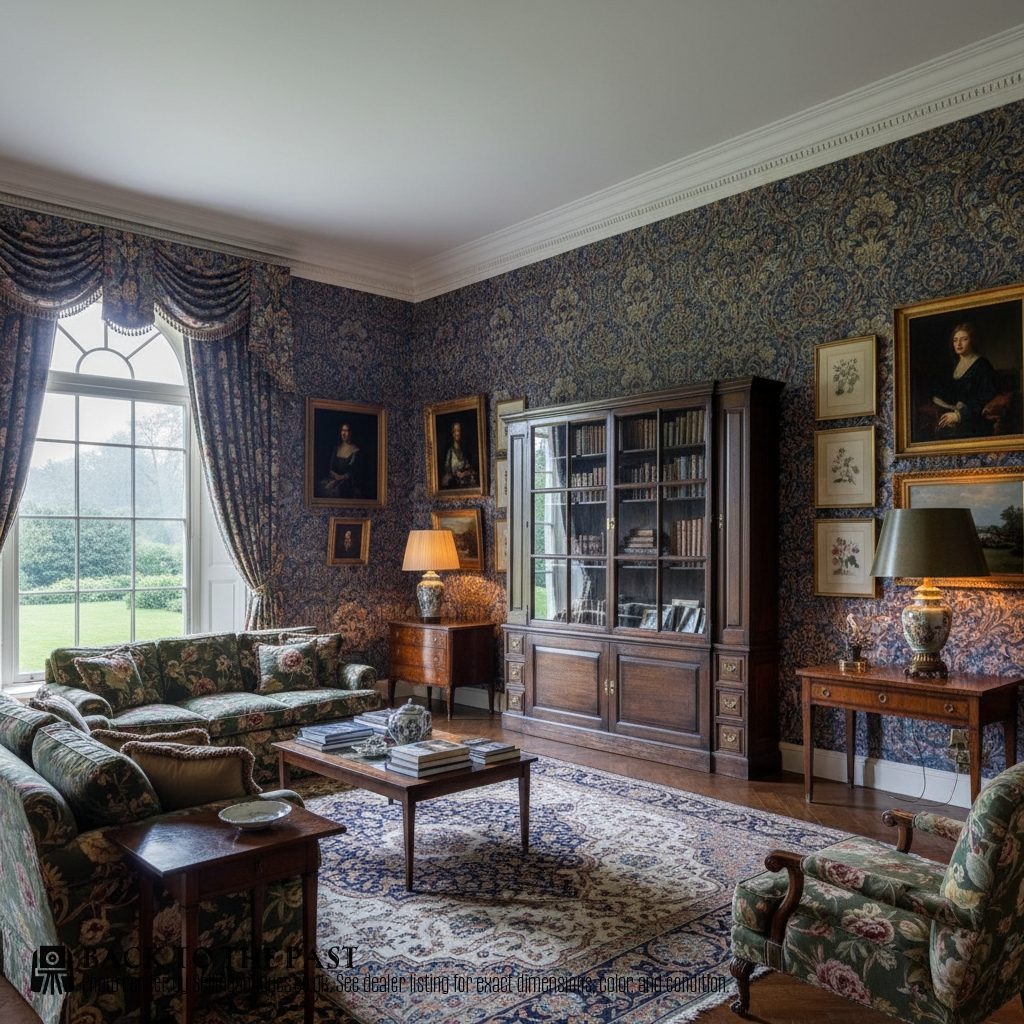
Holland and Sons·Shoolbred·Burroughes and Watts
The Large Cabinet Glossary
- Breakfront
- A cabinet design where the central section projects forward from the flanking sections. This architectural arrangement creates depth and visual rhythm across large bookcases and sideboards.
- Astragal glazed
- A window or door configuration where wooden or metal bars divide the glass panes into smaller geometric sections. These delicate frames are typical of fine 18th and 19th-century bookcases.
- Veneer
- A thin layer of highly figured timber applied over a secondary wood base to create decorative patterns. Craftspeople utilised flame mahogany and burr walnut veneers to enhance large flat panels.
- Credenza
- A low-profile storage cabinet, often featuring doors and central shelving, originally used for displaying plate. Victorian examples sometimes incorporate decorative porcelain plaques.
- Vitrine
- An enclosed glass display cabinet designed specifically for the exhibition of delicate objects and curiosities. These pieces often feature glass on multiple sides to maximise illumination.
- Compactum
- A multi-functional wardrobe designed to maximise internal storage through a combination of hanging space, drawers, and linen slides. Edwardian makers produced these efficient pieces for domestic bedrooms.
Large Cabinet: Frequently Asked Questions
How do I style a large cabinet in a modern room?
A substantial wooden cabinet anchors a room by providing a strong visual focal point and extensive vertical storage. Balance the heavy timber presence by keeping surrounding walls neutral and styling internal shelves with considered spacing.
For glazed display models, curate objects by colour or material to avoid visual clutter. In larger living spaces, a breakfront bookcase or sideboard functions effectively to divide zones while offering practical utility.
What is the difference between a sideboard and a buffet?
Sideboards and buffets are both low storage furniture pieces historically associated with dining rooms, but they differ slightly in proportion and traditional function. Sideboards generally feature a longer body with cupboards and drawers designed for serving food and storing silver.
Buffets often include a raised upper section or chiffonier top for displaying ceramics. Both terms appear across 19th-century English and Scottish brown furniture.
How do I identify a Victorian cabinet?
Victorian cabinets typically feature dense timbers like mahogany and walnut, deep carved ornamentation, and robust proportions. The period embraced revival styles, leading to pieces inspired by earlier Gothic, Jacobean, and French designs.
Look for structural hallmarks such as hand-cut dovetails in the drawer construction and traditional shellac or wax finishes. Drawer linings in secondary woods like oak or pine also help confirm 19th-century origin.
Can I dismantle a large wardrobe for moving?
Many large historic wardrobes and bookcases were constructed as knockdown pieces to facilitate transport through domestic doorways. These designs utilise internal bolts, tongue-and-groove panels, or simple peg systems rather than permanent glue joints.
Checking the construction reveals whether side panels and cornices separate from the base. Professional installation is recommended for heavy glazed bookcase top sections.