



Large Basin
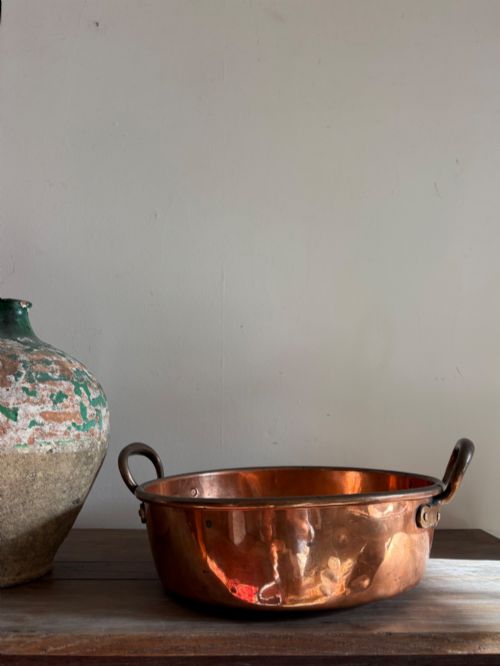
A large antique basin arrives in copper, porcelain or heavy earthenware, shaped for kitchen, dairy or parlour service.
Large Basin
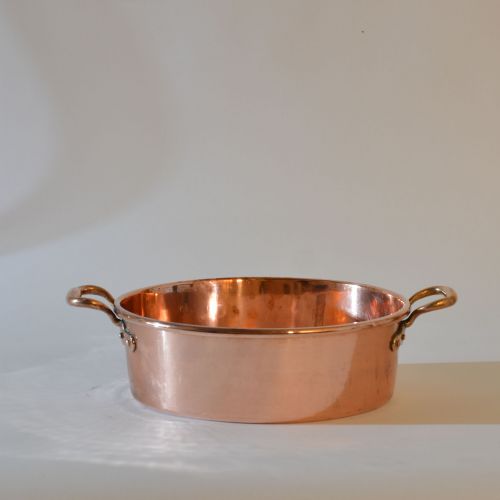
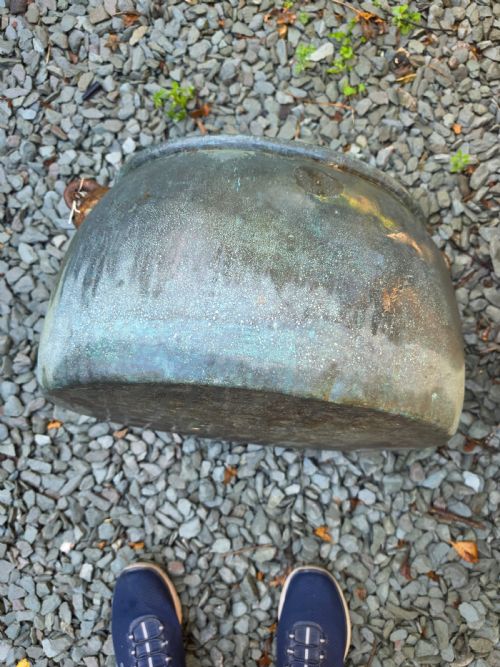
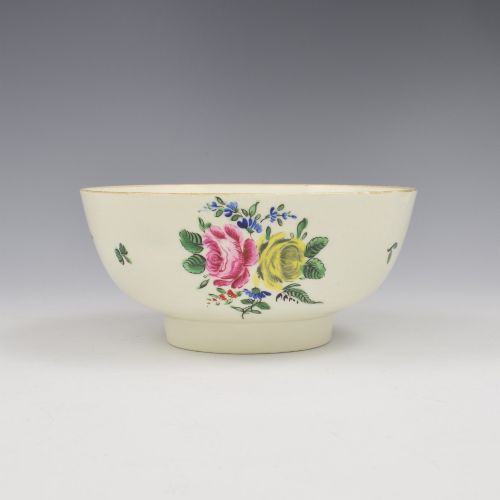
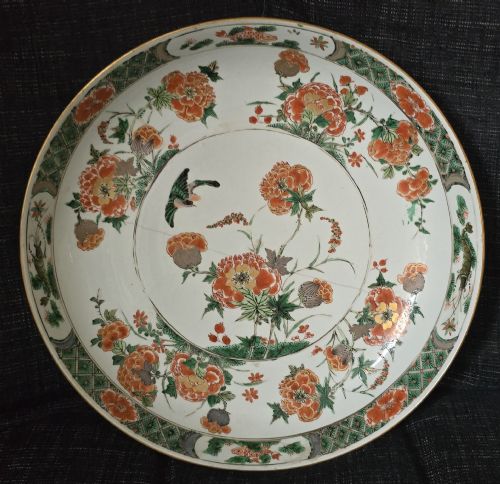
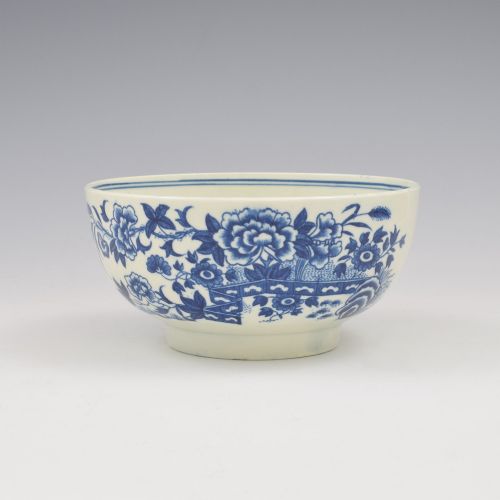
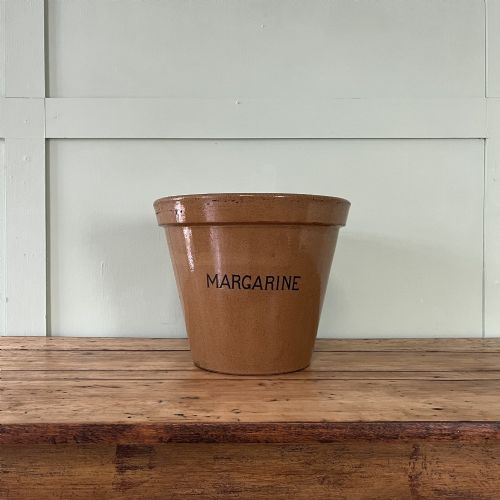
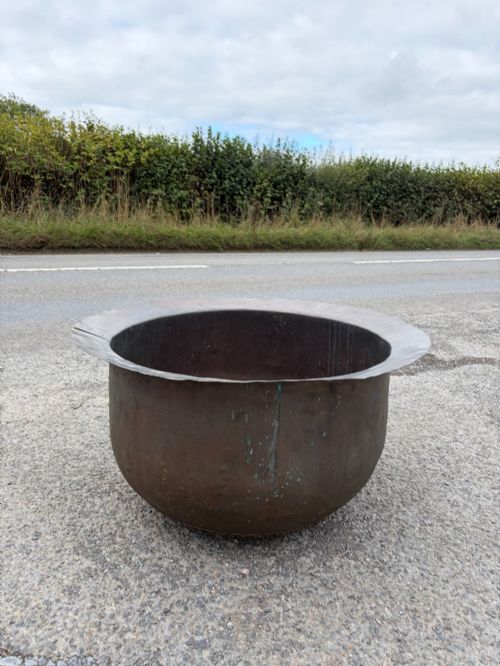
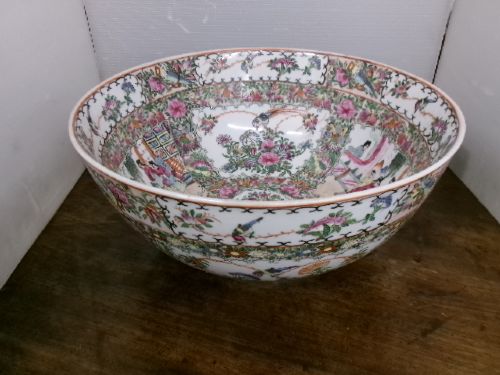
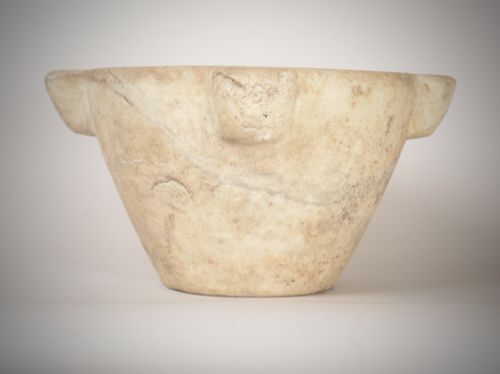
When you search for a large antique basin, you encounter vessels shaped for utility and display across the eighteenth and nineteenth centuries. These pieces cross domestic and garden settings, taking the form of deep copper preserving pans, porcelain slop bowls, heavy stoneware crocks and marble mortars.
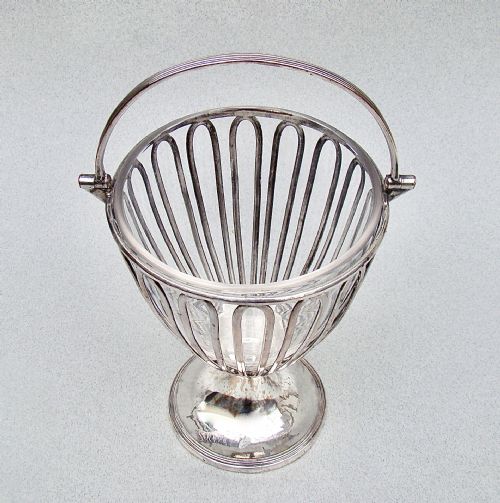
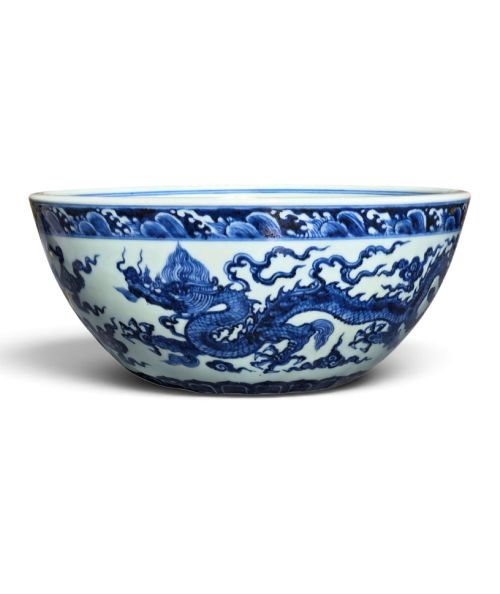
The nineteenth century provides the greatest number of copper kitchen pans, cauldrons and dairy bowls alongside earthenware basins. Earlier examples draw on eighteenth-century Chinese porcelain and Georgian Sheffield plate, while rustic country forms sit alongside formal decorative bowls.
Materials and construction methods
Copper vessels rely on hand-beating, heavy riveting and attached brass handles to withstand kitchen heat and dairy use. Metal pans often show tool marks and surface patination accumulated over decades of service.
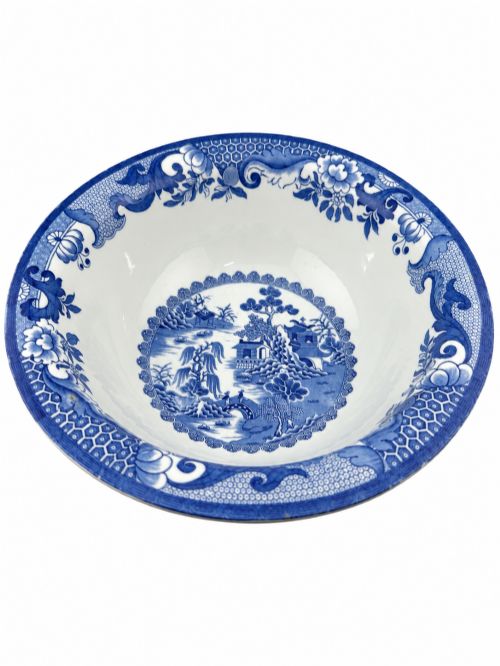
Ceramic basins utilise porcelain, ironstone, slipware and glazed stoneware shaped on wheels or pressed in moulds. Hand-painted underglaze blue, famille rose enamels and transfer-printed Chinoiserie patterns decorate the earthenware surfaces.
Large Basin Retail Price Guide 2026
Typical asking prices for large basin among the pieces listed under this phrase on Sellingantiques today, from the lower quarter to the upper quarter. They describe what is for sale here now, not the wider market.
Listings span the eighteenth to the twentieth centuries, featuring copper, porcelain, earthenware, iron and marble forms.
Distinctions in quality and execution
Quality rests in the weight of the metal and the crispness of the ceramic painting. Heavy gauge copper with secure riveted joints and well-formed brass handles represents superior utility manufacture.
In porcelain and pottery, clear glaze application, sharp hand-painted cobalt detail or well-defined transfer printing distinguish finer pieces. Surface wear, patination and historical repairs alter the character of utilitarian metal and earthenware.
Dr Wall Worcester·Mason s Ironstone·Seaton Pottery·T G Green·Mann Co·Hodges Sons·Mappin Webb
The Large Basin Glossary
- Slop bowl
- A large bowl used at the tea table for dregs and spent leaves. These porcelain pieces often date from the eighteenth century.
- Preserving pan
- A wide, shallow metal vessel designed for boiling fruit and sugar. Copper versions feature flat bases and strong handles for lifting heavy loads.
- Slipware
- Earthenware decorated with liquid clay applied before firing. This technique produces rustic patterns on traditional country bowls.
- Ironstone
- A dense, durable type of earthenware patented in the nineteenth century. It resists chipping and forms heavy domestic wash basins and jugs.
- Verdigris
- The green patina formed on copper through atmospheric oxidation. This surface layer indicates age and exposure to moisture.
Large Basin: Frequently Asked Questions
What were large antique basins used for?
These vessels served demanding utilitarian roles in kitchens, dairies and laundries. Copper pans boiled preserves and cheeses, while heavy earthenware held milk, water or dry goods.
Finer porcelain and ironstone bowls functioned in parlours and bedchambers for washing or waste disposal. Today, their generous proportions suit decorative placement or planting.
How do I clean an antique copper basin?
Wash copper surfaces gently using warm water and mild soap to preserve the historical surface. Avoid harsh abrasives that strip away the accumulated patination and honest wear.
Allow the metal to retain its natural character rather than polishing it to a bright shine. Proper care maintains the stability of riveted joints and surface patination.
Are porcelain basins safe for food use?
Eighteenth and nineteenth-century porcelain and ironstone are best reserved for display rather than daily culinary service. Glazes from these periods can contain lead or suffer from microscopic hairline fractures.
Displaying these bowls on tables or shelves protects the fragile ceramic body from accidental impact. Use them for dry storage or decorative arrangements instead.
How do I date a copper preserving pan?
Examine the construction methods, handle attachments and rivet styles to determine age. Hand-beated copper with iron or brass handles fixed by hand-formed rivets generally indicates nineteenth-century production.
Machine rolling and uniform modern fixings point to later twentieth-century manufacture. Look for maker stamps or touchmarks near the rim or handles for further clues.