



Lalique Glass Paperweight
These pieces of lalique glass paperweight unite twentieth-century design with sculptural glass, offering collectors tangible fragments of period artistry.
Lalique Glass Paperweight
A lalique glass paperweight brings together functional desk objects and decorative sculptures originating from the early decades of the twentieth century. These items emerge from periods spanning Art Nouveau and Art Deco movements, capturing the aesthetic shifts of the era.
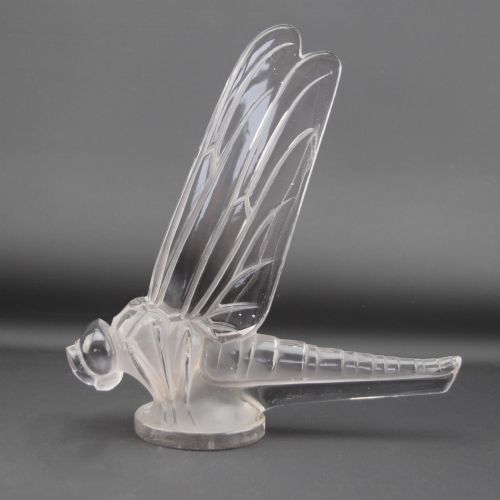
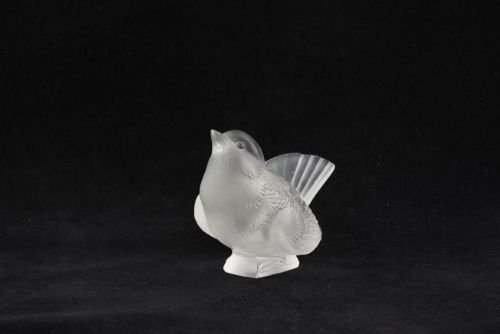
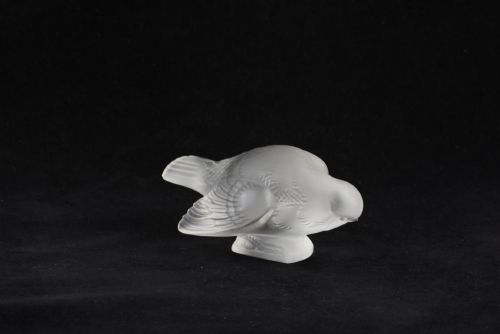
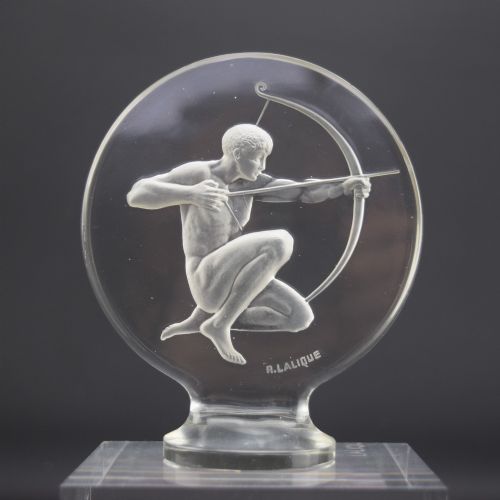
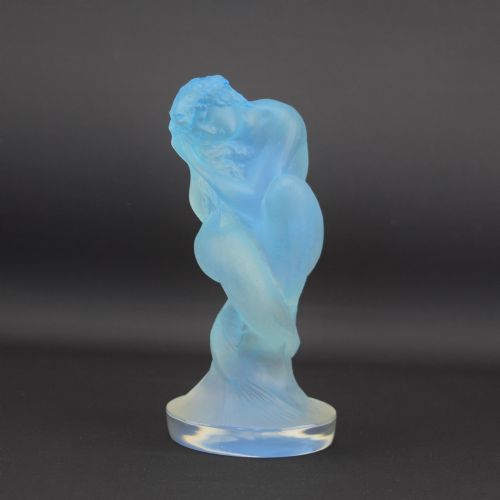
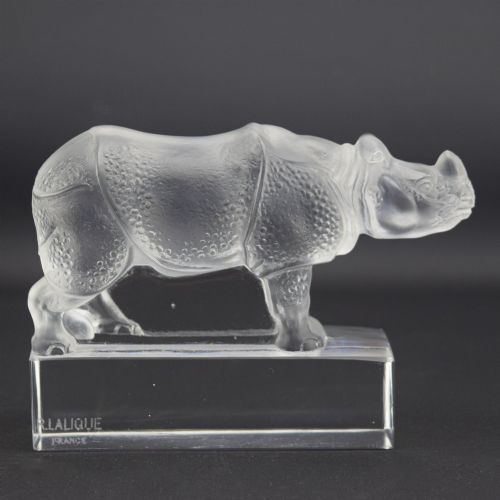
Collectors frequently encounter animal and figure motifs on this page, including sparrows, elephants, frogs, and human forms. Many examples double as car mascots or desk seals, demonstrating the versatile production methods of the period workshops.
How they were made
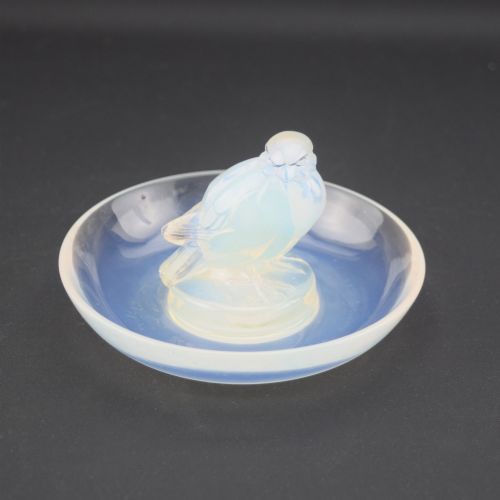
Makers utilised frosted, moulded, and pressed glass techniques to create depth and tactile contrast on each surface. Clear crystal provides structural clarity while opalescent and stained variants catch ambient light to accentuate sculpted details.
The interplay between polished high points and satin-finished recessed areas defines the visual texture of these items. Workshops employed precise pressing and moulding methods to achieve consistent sculptural forms across different glass types.
Wild boars, sparrows, and rhinos sit side by side as miniature glass beasts ready to hold down your morning post.
What varies in quality
The crispness of the moulded relief dictates the visual strength of the object, separating sharply defined animal and human figures from softer, less distinct examples. Superior pieces retain the intended contrast between the frosted textures and clear or opalescent backgrounds.
The depth of the opalescent or stained coloration significantly influences the piece, with richer hues providing greater dimensionality. Attention to surface finish and the preservation of the original mounting socles or integrated bases also distinguish finer examples.
Rene Lalique
The Lalique Glass Paperweight Glossary
- Opalescent glass
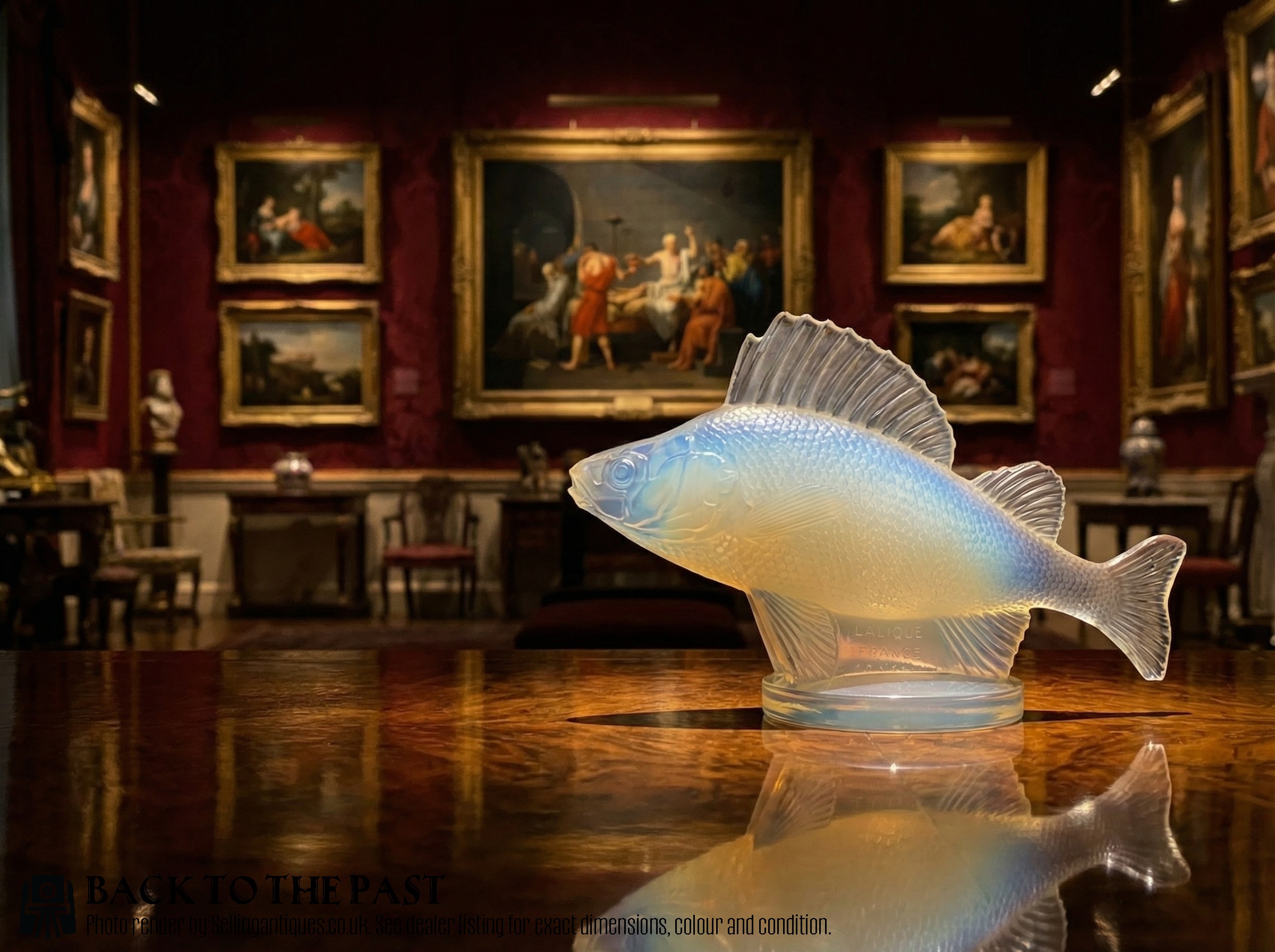
- A type of glass that displays milky, translucent blue and amber tones when lit from various angles. This effect adds visual movement to sculptural forms.
- Car mascot
- An ornamental sculpture mounted on the radiator cap of automobiles during the early twentieth century. Many of these figures later transition into desk paperweights.
- Frosted glass
- Glass treated to create a satin-like, non-reflective surface texture. This finish highlights the sculptural contours of the design.
- Cachet
- A small desk seal or stamp carved into the base of a glass figure. Owners used these items for impressing wax on correspondence.
Lalique Glass Paperweight: Frequently Asked Questions
Were these paperweights originally car mascots?
Several pieces designed as automotive ornaments found new life on desks as paperweights once motoring fashions changed. Collectors often mount them on matching socles for display.
Makers produced versatile designs that functioned equally well on radiator caps or as decorative table sculptures.
How do I identify Art Deco pieces?
Art Deco examples feature stylised animal motifs and geometric symmetry characteristic of the nineteen-twenties and thirties. The lines remain clean and focused on dynamic movement.
These objects rely on stark contrasts between frosted and clear glass rather than ornate floral flourishes.
What is an opalescent finish?
Opalescence creates a milky, light-catching quality that shifts between blue and amber depending on the viewing angle. This chemical reaction within the glass enhances the carved details.
It remains a hallmark of period production techniques associated with these sculptures.
How should I display them?
Placement near a natural light source allows the frosted and clear areas to interact effectively. Some pieces require specific socles to sit correctly on a flat surface.
Direct sunlight helps reveal the subtle undertones in opalescent and stained glass variations.