
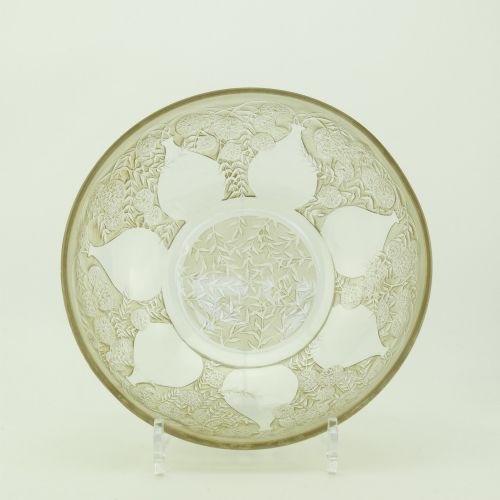


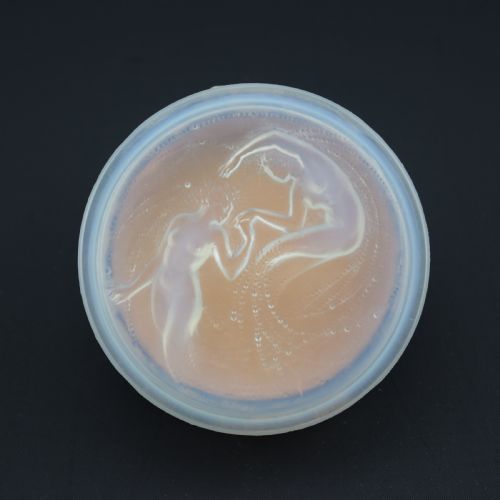


Lalique Decorative Dish
A lalique decorative dish brings tactile glass artistry from the early twentieth century directly to a tabletop.
Lalique Decorative Dish
A lalique decorative dish represents the intersection of functional tableware and sculptural glass art from the early twentieth century. When searching for a lalique decorative dish, collectors encounter shallow bowls, plates, chargers, and trinket boxes produced during the 1920s and 1930s, alongside a single Edwardian piece.
The forms span named designs such as Oeillets, Ondines, Chasse Chiens, Lys, and Poissons. These items function primarily as decorative glassware rather than everyday utility pieces, often featuring botanical or animal motifs.
Art Deco and Art Nouveau styles dominate the selection, showing the transition from flowing natural forms to geometric symmetry. Bowls and plates appear in both clear glass and opalescent variants.
Materials and production techniques
Moulded and pressed glass form the physical foundation of these objects, utilising specialised techniques to achieve deep relief. Glassmakers worked with clear, amber, and frosted glass to play with light across the surface.
Opalescent glass creates a characteristic milky blue or orange glow when turned in the light, achieved through specific chemical additions during cooling. Sepia stain provides contrast in the recessed details of specific plates.
The interplay between polished surfaces and frosted backgrounds defines the visual depth of each bowl and plate. Artisans relied on precise cooling and finishing to set the contrast.
Chasse Chiens brings rushing hounds onto your glass plate, ensuring dinner guests are forever watched by Art Deco dogs.
Factors of distinction
The clarity of the relief work and the strength of the opalescence separate standard production from more striking examples. Contrast between frosted motifs and clear or stained backgrounds dictates visual impact.
Complexity of design execution, such as multiple fish or floral heads, demands greater technical skill from the glassworks. The depth of the sepia stain or the vibrancy of the opalescent glow changes across different production runs.
Rene Lalique
The Lalique Decorative Dish Glossary
- Opalescent Glass
- Glass that diffuses light to display a milky blue or orange appearance depending on the angle of illumination. This effect was a signature method for highlighting sculptural relief.
- Frosted Glass
- Glass treated to achieve a matte, non-reflective surface texture that contrasts sharply with polished transparent areas. It defines the background details on many plates.
- Sepia Stain
- A brownish pigment applied to recessed portions of a glass design to emphasise lines and figures. It appears on specific hunting-themed plates.
- Coupe
- A broad, shallow bowl form frequently utilised for decorative serving or display. These pieces often feature wide rims decorated with moulded motifs.
Lalique Decorative Dish: Frequently Asked Questions
What is a lalique decorative dish?
It is a moulded glass bowl, plate, or box created during the early twentieth century under the direction of René Lalique. These pieces incorporate artistic motifs ranging from fish and flowers to sirens.
They serve primarily as decorative objects or display items rather than functional tableware.
How do I identify Art Deco periods?
Art Deco pieces from the 1920s and 1930s typically feature symmetrical floral arrangements, stylized animal forms, and geometric integration. The glass often utilises strong opalescent or frosted effects.
Earlier transitional pieces lean closer to Art Nouveau with more flowing, organic plant lines.
What causes opalescence in glass?
Opalescence results from specific chemical agents added to the molten glass mixture which scatter light waves as the material cools. This creates the characteristic milky blue and warm orange tones seen when light hits the surface.
It is an intrinsic property of the glass body rather than a surface coating.
How were sepia stained plates used?
Plates with sepia stain were primarily intended for display or occasional service rather than heavy daily use, preserving the delicate pigment in the recessed lines. The staining technique was chosen to accentuate detailed narrative scenes like hunting dogs.
Collectors today exhibit them on stands or within cabinets to protect the surface.