
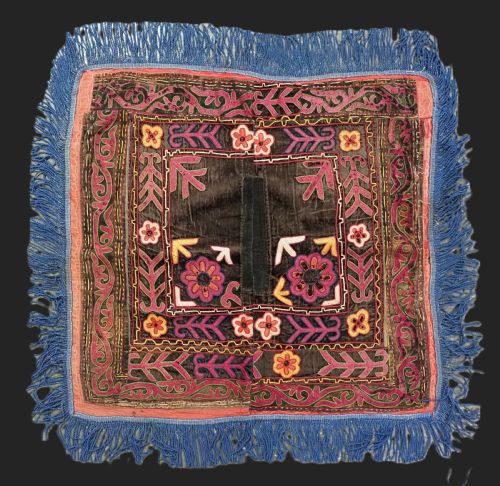
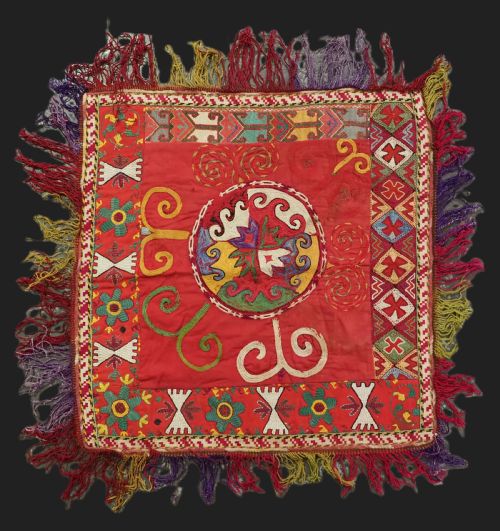


Lakai Tribe Wall Hanging
These lakai tribe wall hanging pieces are vibrant Central Asian textiles brought into modern interiors for their striking tribal geometry.
Lakai Tribe Wall Hanging
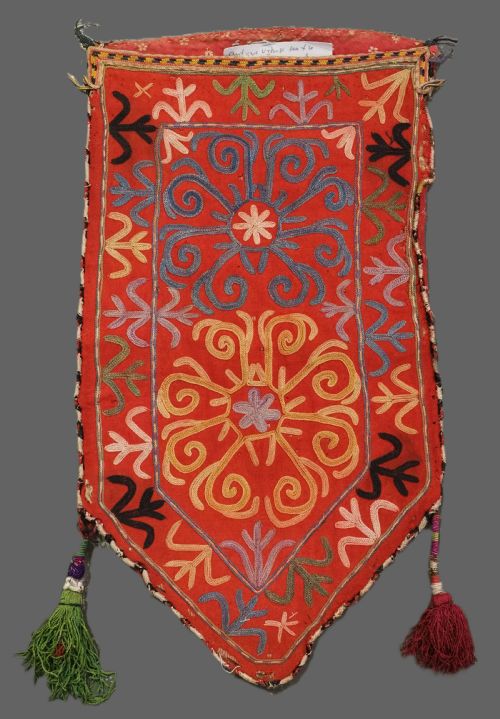
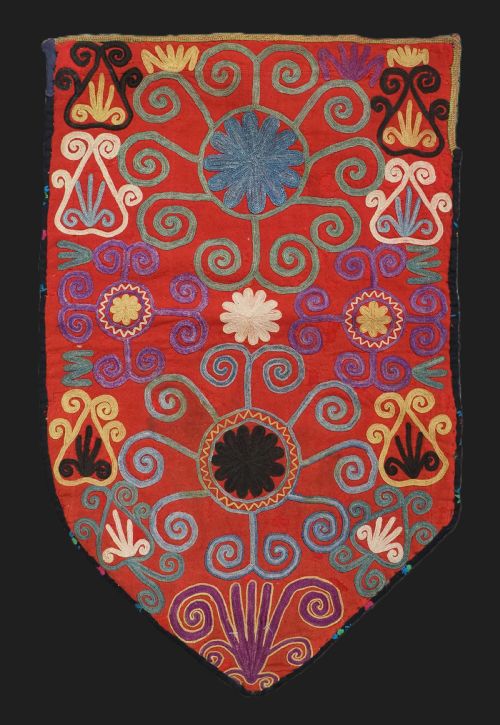
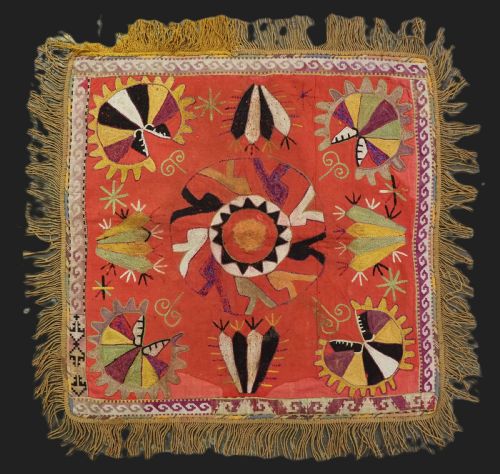
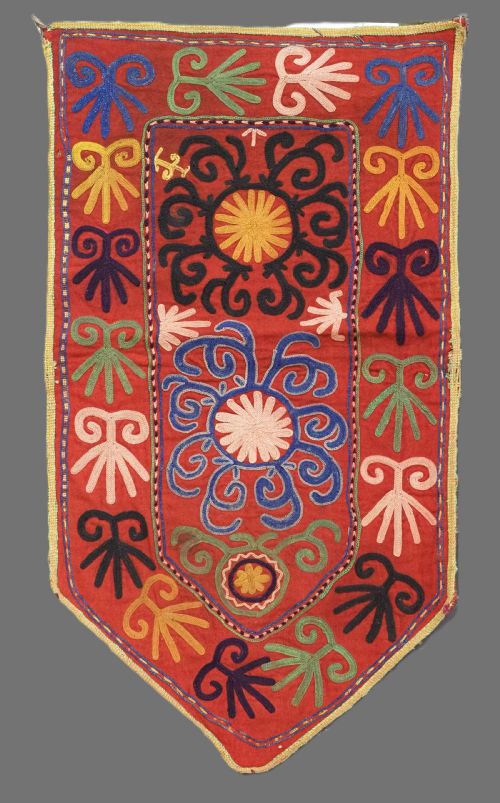
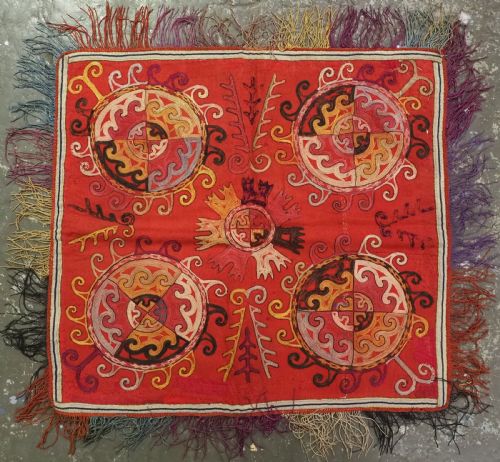
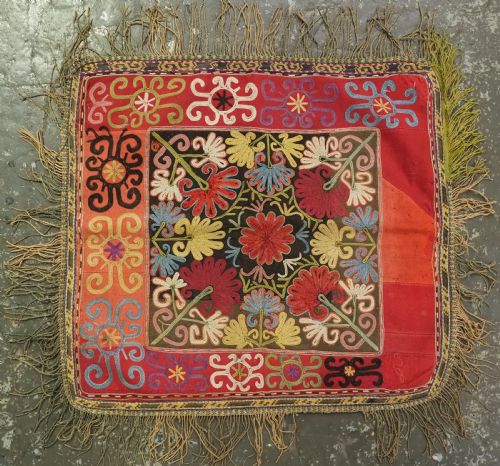
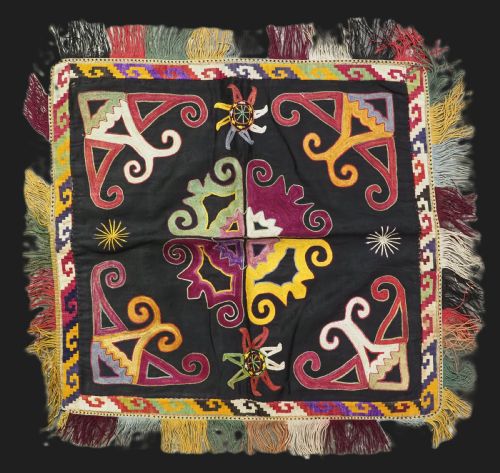
When you search for a lakai tribe wall hanging, you encounter textile art originating from Central Asian nomadic groups, specifically Uzbek makers. These objects often take the form of dowry embroideries, double faced uut kap ilgich panels, or decorative wall hangings dating from the late nineteenth and early twentieth centuries.
The version you are most likely to meet on this page is an antique ilgich or dowry textile originating from Uzbekistan. Many examples demonstrate Central Asian tribal styles and Uzbek folk art traditions, functioning originally as functional household furnishings or ceremonial horse covers before transitioning into wall art.
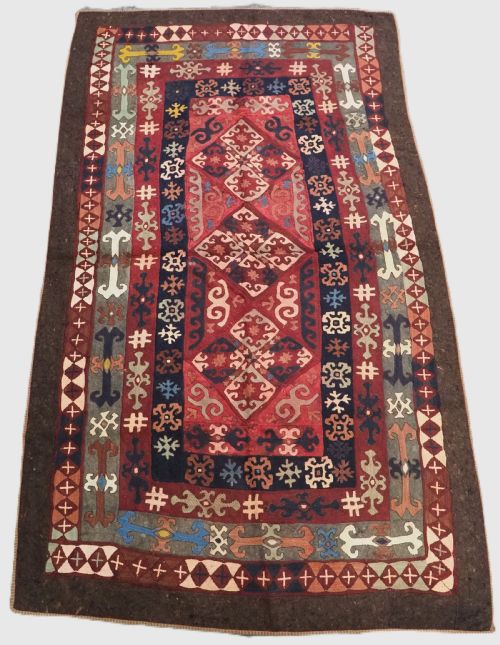
Beyond standard wall hangings, the selection includes embroidered felt rugs, torba ilgich pieces, bed decorations, and Suzani textiles. These items reflect the nomadic heritage of the Lakai tribe through geometric motifs and dense needlework.
Materials and construction
Makers constructed a lakai tribe wall hanging using a combination of cotton, wool, and felt as a foundational base. Silk and silk thread provide the lustrous surface embroidery that defines the visual impact of each textile.
Needlework techniques involve intricate embroidery applied to heavy wool fringe, velvet, and felt backings. Double faced panels and padded elements demonstrate the skilled handwork typical of Central Asian tribal artisan traditions.
Several ceremonial pieces were originally tailored to drape over horses, proving that tribal nomads believed even their livestock deserved superior interior design.
Assessing quality and execution
The density and precision of the silk thread embroidery separate standard examples from superior pieces. Finer stitching creates sharper geometric definitions within the traditional Uzbek folk art motifs.
The condition of the base materials, including cotton foundations and wool fringes, dictates the overall integrity of the textile. Pieces retaining vibrant natural dyes and complete borders represent the upper tier of surviving examples.
The Lakai Tribe Wall Hanging Glossary
- Ilgich
- A Central Asian embroidered hanging, often created as dowry art by nomadic tribes for domestic display. These textiles typically feature geometric patterns executed in bright silk threads.
- Uut kap
- A storage bag or hanging panel produced by nomadic groups in Central Asia. They were traditionally used within yurt dwellings before being repurposed as decorative wall art.
- Torba
- A small storage bag or trapping produced in tribal regions of Central Asia. Collectors prize them for their concentrated nomadic designs and fine hand needlework.
- Suzani
- An embroidered tribal textile originating from Uzbekistan and surrounding regions. They are worked in silk on cotton or linen foundations using specialised tambour or surface stitches.
- Saye gosha
- A specific type of decorative textile or bed hanging associated with Central Asian nomadic interiors. These items display distinctive regional embroidery patterns and borders.
Lakai Tribe Wall Hanging: Frequently Asked Questions
How were these wall hangings used?
Nomadic families utilised these textiles primarily within yurt interiors as dowry furnishings, storage bags, or ceremonial horse covers. They served both practical storage functions and decorative roles during tribal celebrations.
Over time, collectors adapted these functional objects into wall art to display their intricate embroidery and historical textile traditions in modern homes.
How do I hang a textile safely?
Mounting a textile requires careful weight distribution to prevent pulling on fragile cotton or wool foundations. Professional conservators often recommend using a stitched-on cotton sleeve attached to a hidden Velcro support bar.
Avoid direct display in bright sunlight to protect delicate silk threads and natural dyes from fading over the years.
How can I tell the period?
Dating relies on examining the types of dyes, the composition of the base fabrics, and the specific stitching techniques employed by the makers. Earlier nineteenth-century examples often feature coarser hand-spun wool and natural dye palettes.
Twentieth-century pieces may show shifts in cotton backing quality and subtle variations in traditional Uzbek folk art motifs.
What is nomadic embroidery?
Nomadic embroidery refers to the hand-stitched decorative work produced by tribal groups moving across Central Asia. These designs draw on tribal identity, utilising bold geometry and symbolic motifs.
Artisans utilised locally available materials like sheep wool, felt, and traded silk threads to create durable, highly visual household items.