
Embroidered Wall Tapestry
An embroidered wall tapestry brings texture and history to an interior, offering woven narratives from distant workshops and country houses alike.
Embroidered Wall Tapestry
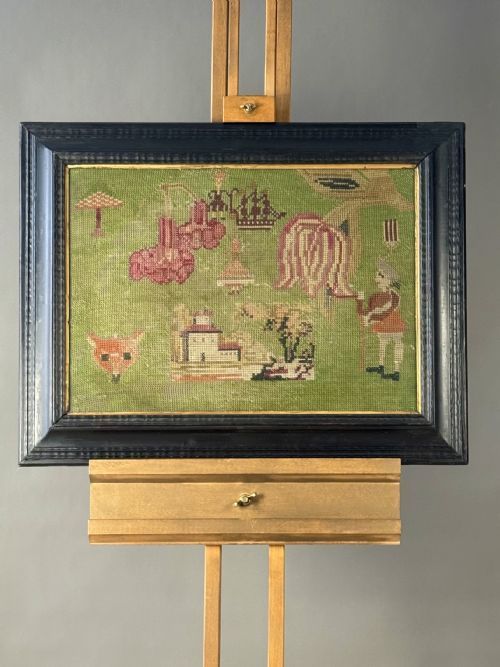
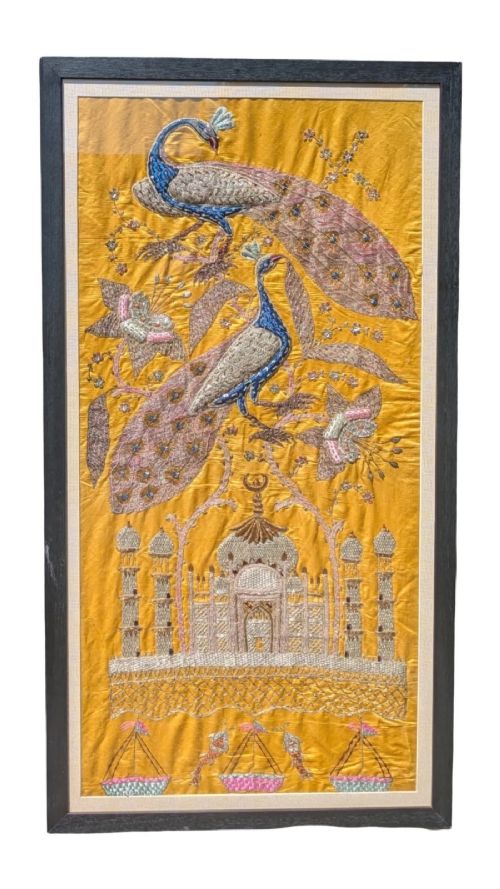
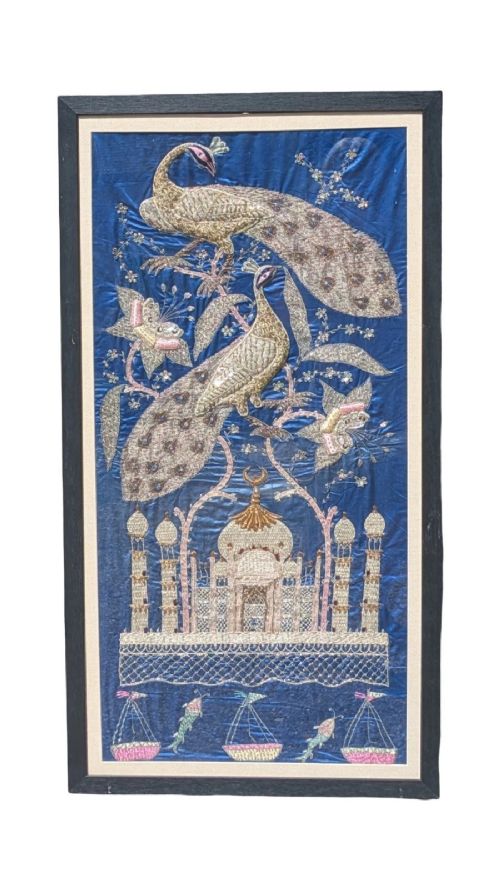
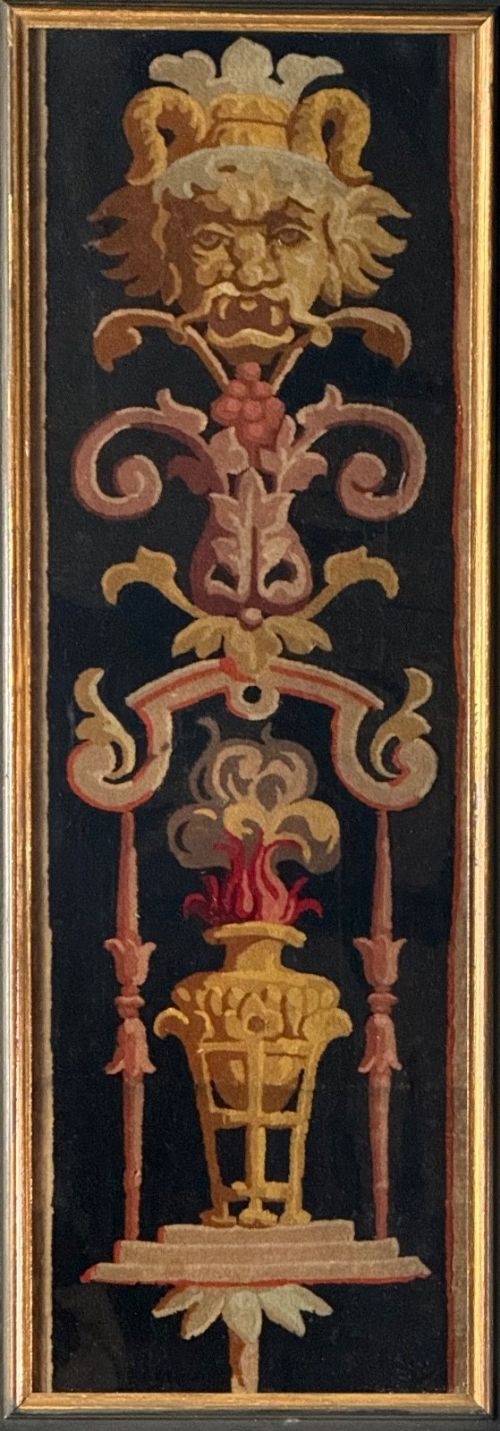
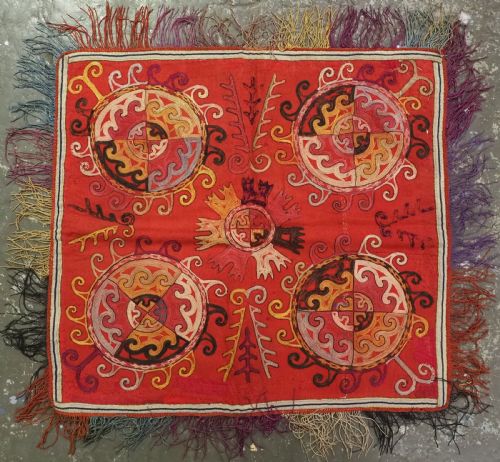
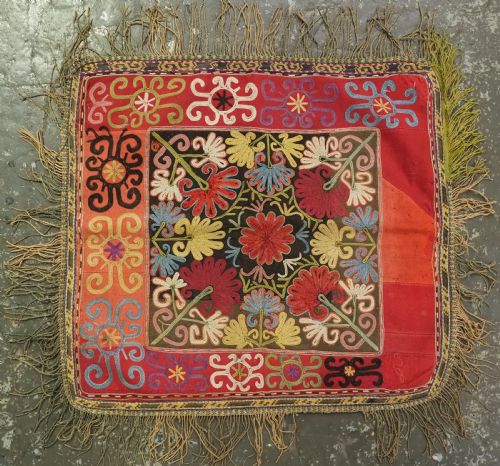
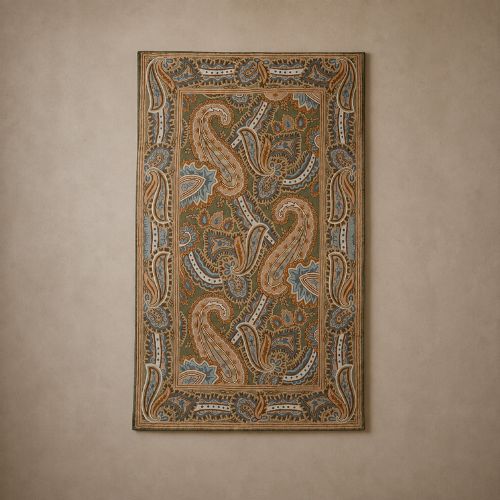
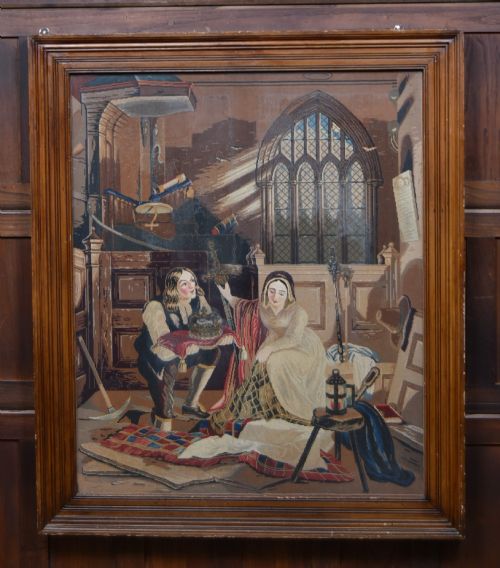
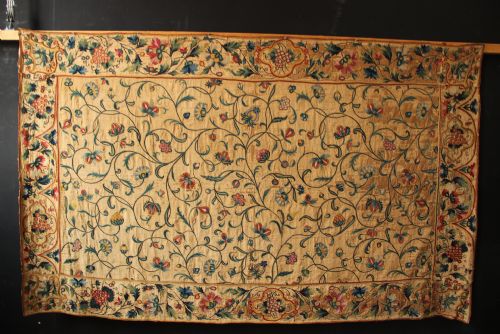
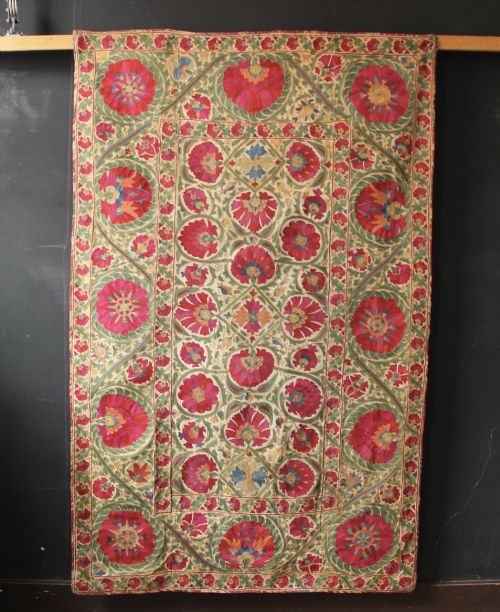
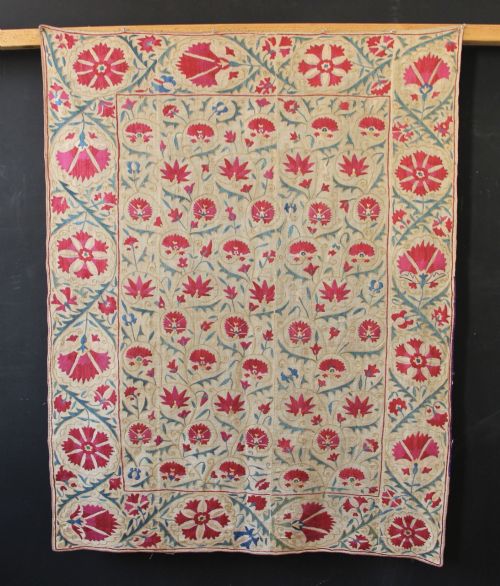
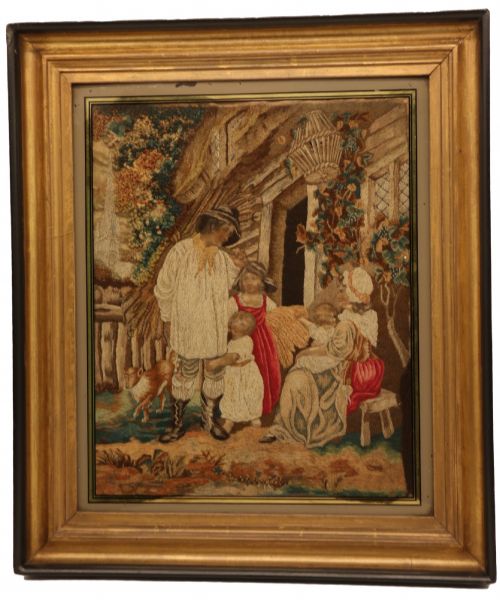
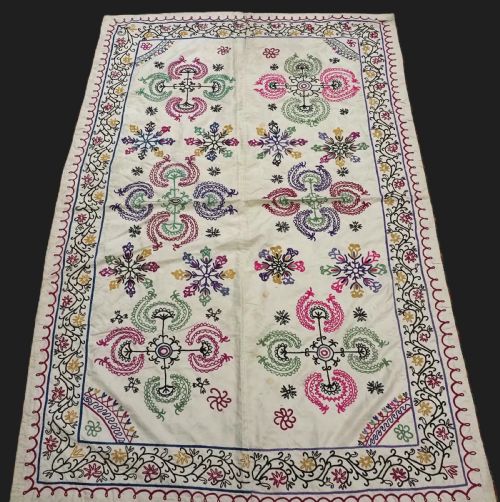
When searching for an embroidered wall tapestry, collectors encounter an eclectic span of textiles ranging from Central Asian suzanis to English crewelwork panels. These works encompass framed needlework pictures, traditional yurt wall hangings, and large ceremonial dowry embroideries.
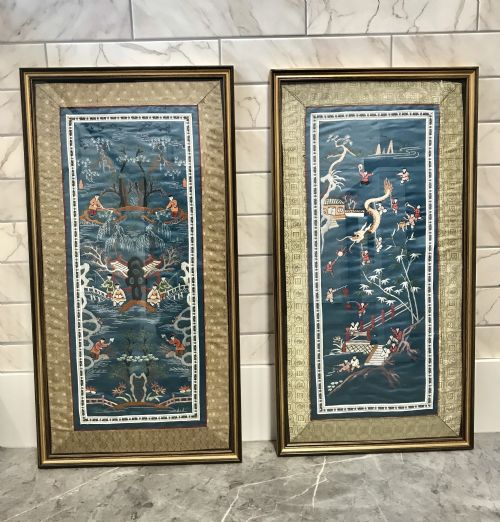
The selections on this page draw heavily on nineteenth-century craftsmanship alongside earlier eighteenth-century needlework and twentieth-century tribal pieces. Common formats include rectangular wall hangings, mounted textile panels, and detailed silk embroideries under glass.
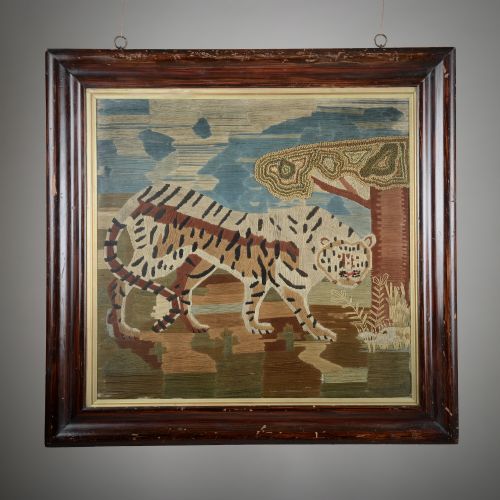
Origin points vary widely from English country houses to Uzbek tribal regions and Persian workshops. Buyers will find both figurative woolwork depicting animals and classical scenes, alongside geometric medallion designs executed in silk and felt.
Materials and technique
Maker execution relies on natural foundations such as linen, canvas, cotton, and wool, often worked over with fine silk threads and metallic accents. Many regional pieces utilise felt backings or incorporate intricate appliqué work.
Techniques range from counted thread needlework and crewel embroidery to chain stitch suzanis and hand-sewn pictorial panels. Certain works combine hand-painted silk elements with raised embroidery or beadwork for added depth.
Several panels feature fierce tigers and ceremonial horse covers, proving that historic needleworkers took inspiration from menagerie beasts.
Indicators of distinction
Quality rests upon the precision of the needlework, the complexity of the design layout, and the density of the stitching. Tightly worked panels with balanced proportions demonstrate superior atelier skill.
The preservation of original materials and the vibrancy of natural dyestuffs elevate certain examples. Pieces retaining structural integrity across their backing canvas and framing display greater enduring stability.
The Embroidered Wall Tapestry Glossary
- Suzani
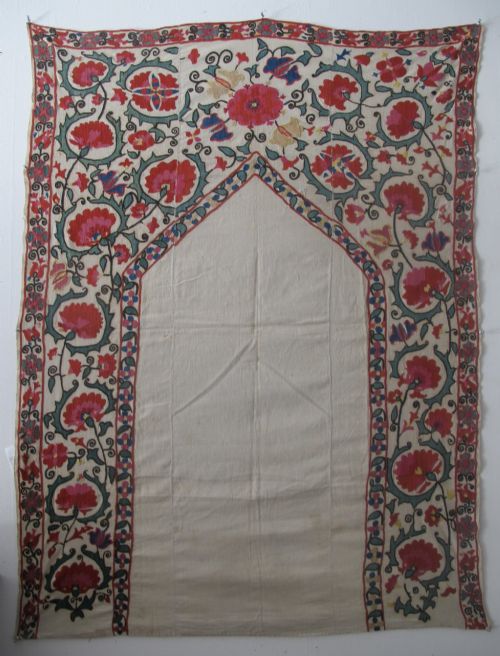
- A type of embroidered tribal textile originating from Tajikistan, Uzbekistan, and other Central Asian nations. These pieces typically feature bold floral or medallion motifs stitched in silk on a cotton or linen ground.
- Crewelwork
- A traditional form of embroidery utilising wool yarn on a heavy linen or cotton twill fabric. It frequently depicts climbing floral vines, trees, and exotic fauna in rich colour palettes.
- Ilgich
- A specific form of dowry embroidery produced by the Lakai tribe in Central Asia. They are characterised by dynamic geometric arrangements and energetic use of hook-like stitches.
- Verre Églomisé
- A framing technique involving cold painting and gilding on the reverse side of glass. It creates a reflective, mirrored border that enhances antique needlework pictures.
Embroidered Wall Tapestry: Frequently Asked Questions
How do I hang a heavy textile safely?
Heavy embroidered panels require even weight distribution to prevent distortion of the fabric and backing. Utilising a concealed wooden batten or a professional textile mount ensures the piece hangs flat without pulling on individual stitches.
Direct sunlight can cause fading in natural silk and wool threads over time. Positioning the textile away from bright windows preserves the original colour saturation of the dyes.
What is the difference between crewelwork and suzani embroidery?
Crewelwork originates primarily from European traditions and employs wool yarn to create dense, flowing botanical patterns on sturdy linen foundations. The aesthetic leans toward English country house interiors and classical motifs.
Suzanis stem from Central Asian nomadic and town traditions, utilising vibrant silk threads on cotton grounds. Their designs focus on large sunburst medallions, floral vines, and protective tribal symbols.
How should I clean an antique textile?
Professional conservation is necessary for antique embroideries, as household cleaning methods can damage fragile historic fibres. Gentle surface dusting with a soft brush through a mesh screen is the limit of safe home maintenance.
Water and standard detergents will cause dyes to bleed and natural foundations to shrink. Specialist textile conservators possess the correct solvents and vacuum equipment to address ingrained particulate matter safely.