
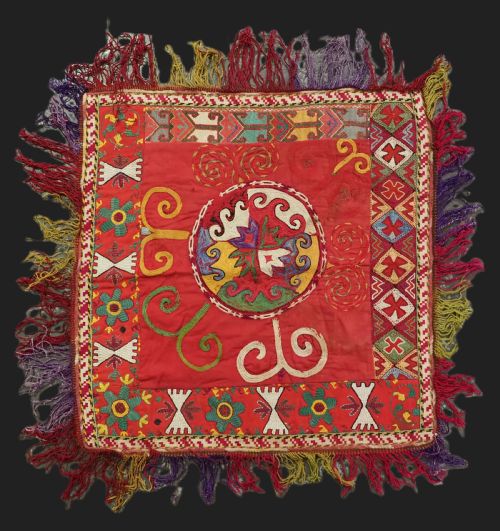


Central Asian Ilgich
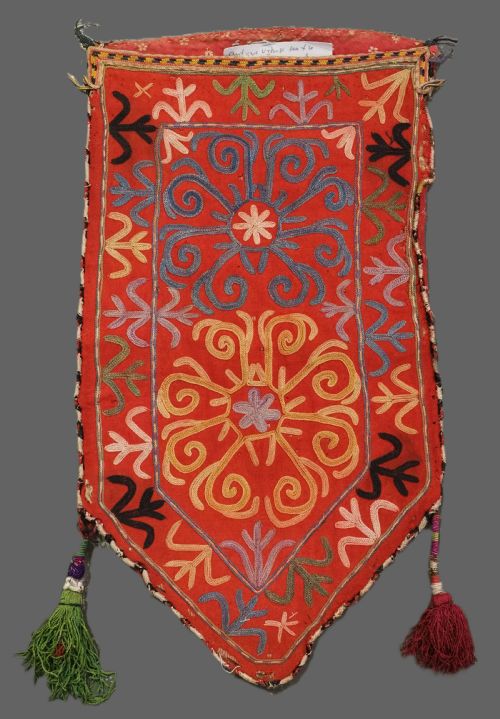
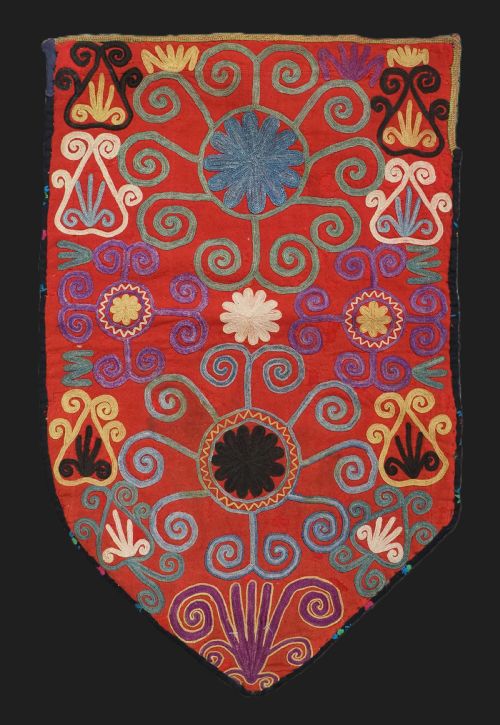
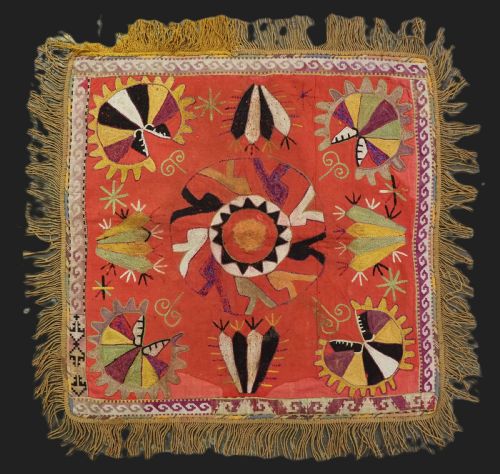
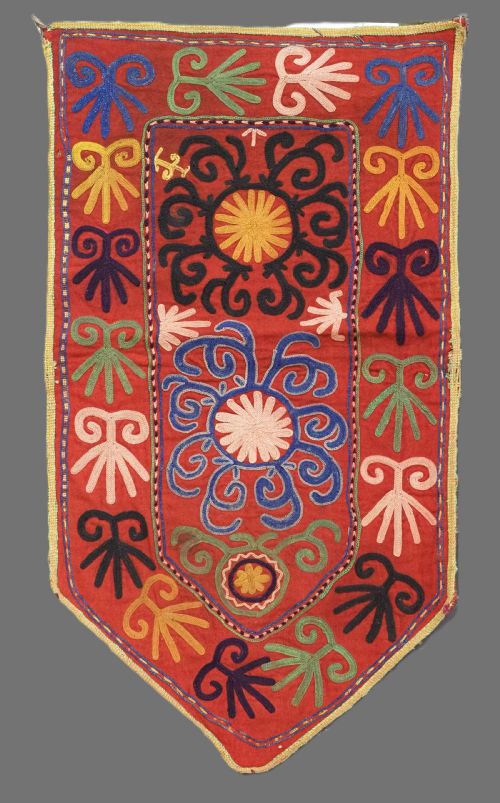
These Central Asian ilgich pieces are tribal dowry embroideries and wall hangings that bring rich textile art into a room.
Central Asian Ilgich
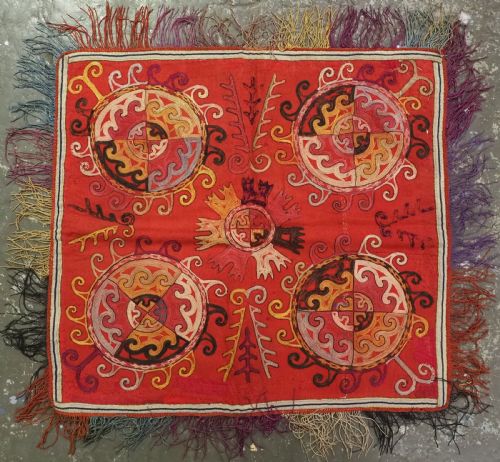
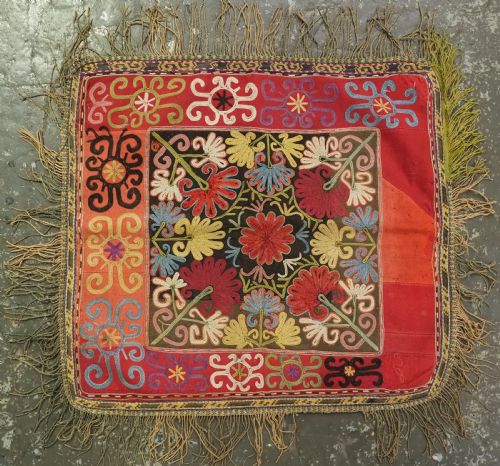
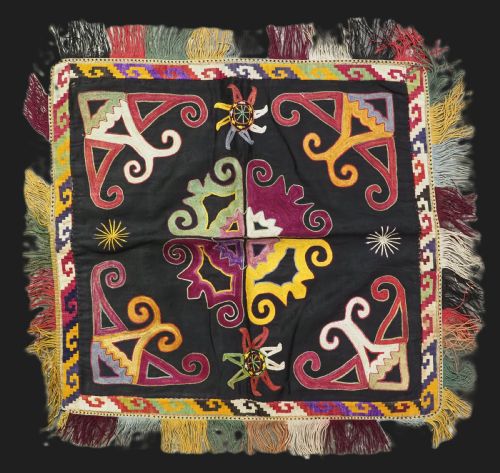
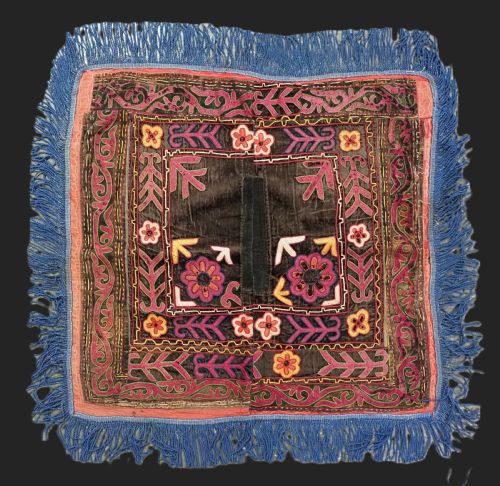
A central asian ilgich is a traditional embroidered hanging created by nomadic and tribal groups, specifically associated with the Lakai Uzbek tribes from regions such as Shakrisabz. Buyers searching for this phrase encounter historic textiles originating from the late nineteenth century and around nineteen hundred. Most pieces on this page take the form of wall hangings, decorative textiles, and uut kap bag faces intended for domestic or ceremonial use.
Many examples function as dowry embroidery, fashioned to mark significant life events within tribal communities. The designs reflect the nomadic aesthetic of Central Asian tribal makers, utilising geometric motifs and bold compositions. These wall hangings translate historic nomadic craft into decorative textile art suitable for modern interiors.
Materials and construction
These textiles rely on a combination of silk, cotton, and wool worked together to build dense embroidered surfaces. Silk thread provides vibrant colour and sheen against heavier foundation fabrics. Certain pieces feature silk embroidery laid upon a Mogul red wool ground, creating strong visual contrast.
Base materials often include hand-spun cotton and wool fabrics that support heavy needlework. Artisans stitched intricate patterns by hand, producing durable surfaces designed for functional household display.
These nomadic embroideries were stitched entirely by hand inside tents, carrying centuries of tribal tradition straight to your wall.
Assessing quality and character
Quality in a central asian ilgich rests on the complexity of the needlework and the balance of the composition. Finer examples display meticulous stitch density and precise execution of traditional tribal motifs. The choice of background material, such as rich red wool, also influences the visual impact of the embroidery.
The distinction between standard pieces and exceptional ones lies in the originality of the layout and the vibrancy of the surviving silk threads. Well-preserved surfaces retain their saturated colours and structural integrity, highlighting the skill of the original makers.
The Central Asian Ilgich Glossary
- Ilgich
- A traditional Central Asian embroidered hanging or textile art piece. These works were typically made by tribal groups for domestic decoration or dowry purposes.
- Uut kap
- A specific type of Central Asian bag or hanging associated with nomadic tent storage. They form a significant portion of the surviving embroidered pieces from this region.
- Torba
- A small hanging bag produced by tribal weavers. These items often share similar decorative motifs and embroidery techniques with larger wall hangings.
- Lakai
- A nomadic Uzbek tribe known for distinctive embroidered textiles. Their work is characterised by dynamic geometric patterns and bold use of colour.
- Dowry embroidery
- Textiles created by women as part of a bride's traditional property. These pieces demonstrate high levels of craft and artistic expression.
Central Asian Ilgich: Frequently Asked Questions
What is a central asian ilgich?
A central asian ilgich is a traditional embroidered textile created by tribal groups, specifically the Lakai Uzbeks, for use as a wall hanging or domestic furnishing.
These pieces often double as dowry items, showcasing skilled needlework in silk, cotton, and wool.
How were these wall hangings used?
Nomadic families used these embroidered textiles to decorate the interior of their dwellings and to display wealth and skill.
Many examples functioned as functional storage bags or decorative panels marking important family milestones.
How do I care for antique textiles?
Protect these historic pieces from direct sunlight to prevent the fading of natural silk and wool threads.
Mount them securely without putting undue stress on the fabric foundation.
When were these pieces made?
The pieces available on this page date from the late nineteenth century up to around nineteen hundred.
They represent a specific period of traditional nomadic craft before modern manufacturing altered local textile traditions.