
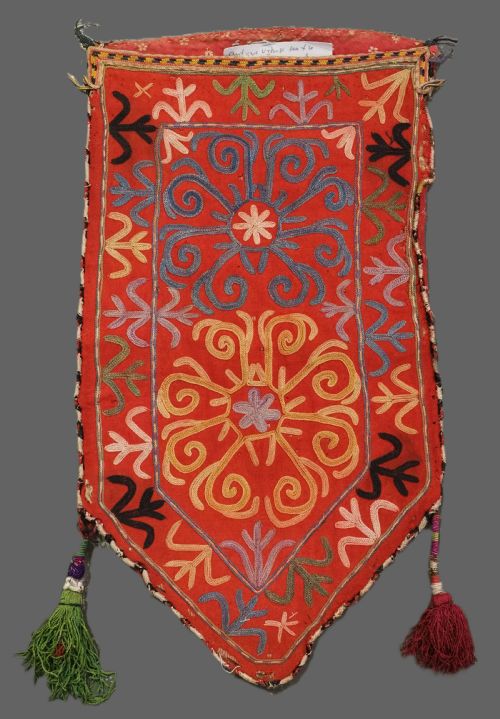
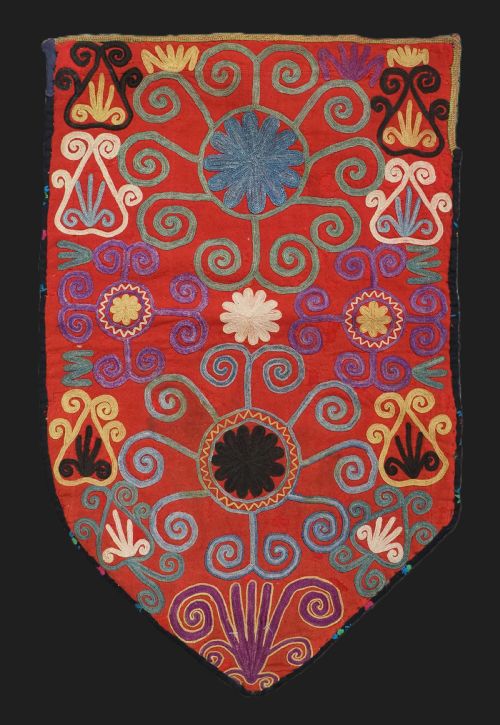
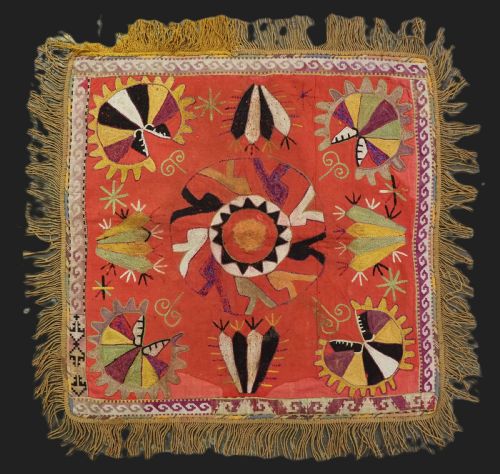
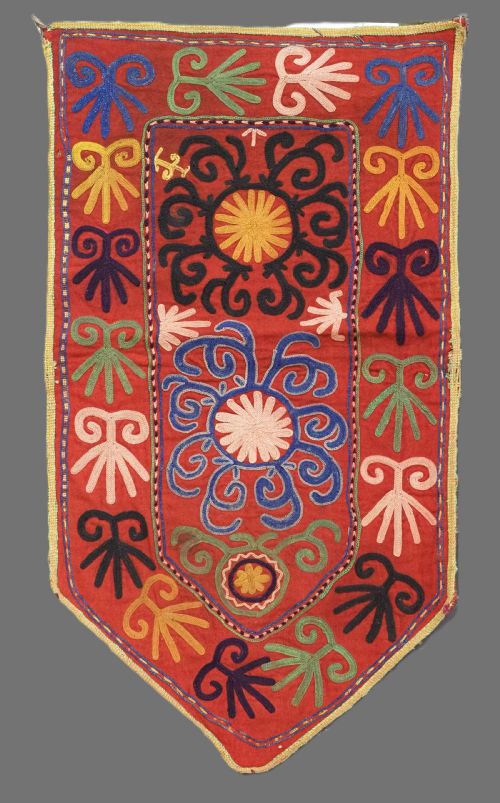
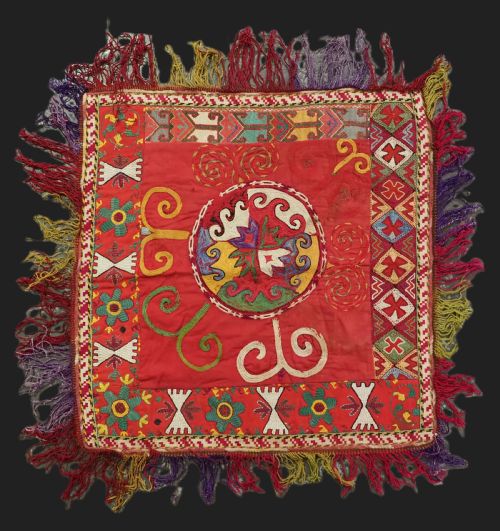


Lakai Ilgich Hanging
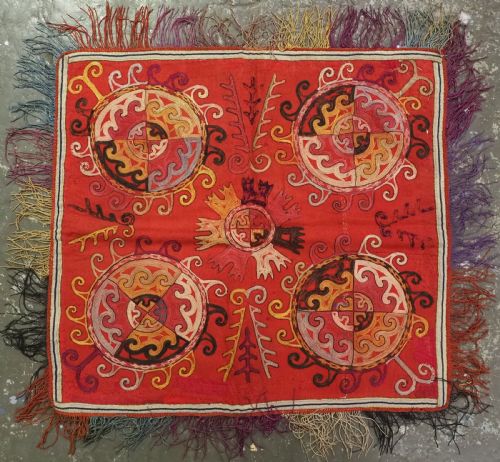
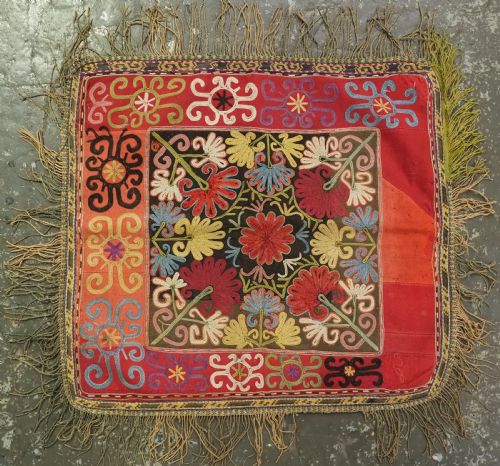
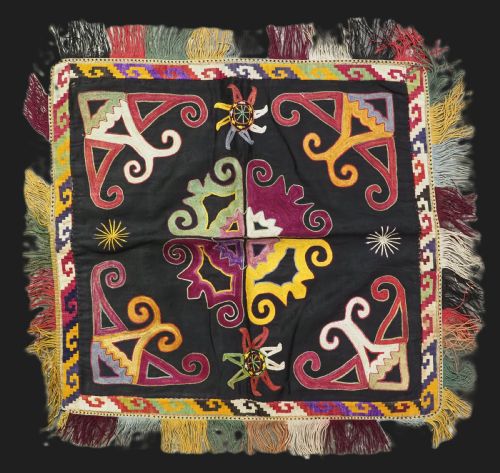
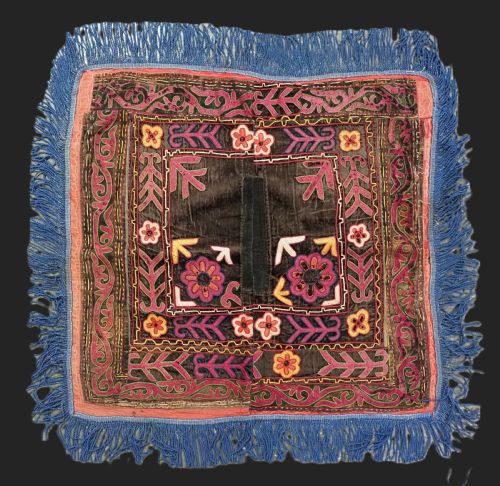
These lakai ilgich hanging pieces are Central Asian tribal textiles from the late nineteenth and early twentieth centuries that bring striking geometric artistry to any interior.
Lakai Ilgich Hanging
A lakai ilgich hanging represents traditional Central Asian tribal embroidery created by the Uzbek Lakai people. These works function primarily as decorative wall textiles, wall hangings, and domestic dowry embroidery pieces.
The pieces on this page span the late nineteenth century and the early twentieth century, specifically covering periods around 1880, 1890, and 1900. They originate directly from locations such as Shakrisabz in Uzbekistan.
Buyers frequently encounter specific regional forms within these listings, including standard ilgich wall hangings, double faced examples, and at torba ilgich pieces. Each format carries distinct tribal motifs rooted in Central Asian textile art traditions.
Materials and construction
These textiles rely on a foundation of organic fibres, utilising natural cotton, wool, and silk for both the base fabrics and the intricate surface embroidery. Velvet also appears in the material mix, adding textural depth to the compositions.
Skilled makers employed needlework techniques characteristic of Central Asian tribal groups to build dense patterns. The resulting surface decoration creates the robust textile art recognised in these historic examples.
Listings span the years 1880 to 1900, featuring materials such as cotton, silk, wool, and velvet across various wall hanging formats.
Distinctions in quality
Quality in a lakai ilgich hanging rests upon the density of the embroidery and the complexity of the tribal design work. Finer examples display meticulous needle control and a balanced distribution of motifs across the cotton or wool ground.
The choice of materials also influences the standard of an individual piece, particularly where silk threads and velvet accents are integrated. Well-preserved textiles retain vibrant visual impact through superior execution rather than sheer scale.
The Lakai Ilgich Hanging Glossary
- Ilgich
- A traditional Central Asian embroidered hanging produced by Uzbek tribal groups. These items were originally made as dowry pieces before transitioning into decorative wall textiles.
- Uut Kap
- A specific form of storage bag or hanging associated with nomadic yurt interiors. These functional objects display the same distinctive embroidery as wall ilgich pieces.
- At Torba
- A horse cover or associated trapping decorated with tribal needlework. These examples reflect the equestrian culture of the groups who made them.
- Shakrisabz
- A historic town in Uzbekistan associated with the production of these distinctive tribal embroideries. Pieces attributed to this region share specific design characteristics.
- Central Asian Tribal
- The broader cultural and geographic classification for textiles produced by nomadic and semi-nomadic groups in the region. This grouping defines the distinct aesthetic seen in these pieces.
Lakai Ilgich Hanging: Frequently Asked Questions
What is a lakai ilgich hanging?
A lakai ilgich hanging is an embroidered textile created by the Uzbek Lakai tribe in Central Asia.
These pieces date from the late nineteenth and early twentieth centuries, serving originally as dowry items and domestic wall art.
How were these wall hangings used?
Tribal families utilised these embroideries to decorate the interiors of their living spaces.
Over time, many of these domestic dowry items transitioned into purely decorative wall hangings and textile art for collectors.
How do I date an antique ilgich?
Dating relies on examining the materials, construction methods, and stylistic markers recorded in pieces from the late nineteenth and early twentieth centuries.
Comparative analysis with documented examples from periods like 1880, 1890, and 1900 helps establish an approximate age.
What materials are used in these textiles?
Maker communities utilised readily available natural materials including cotton, wool, silk, and velvet.
These substances formed the durable foundation fabrics and the colourful embroidered surfaces characteristic of the region.