




Lacquered Wood Side Table
Lacquered wood side tables bring distinct surface depth and global stylistic traditions into a room, offering both practical surface space and decorative presence.
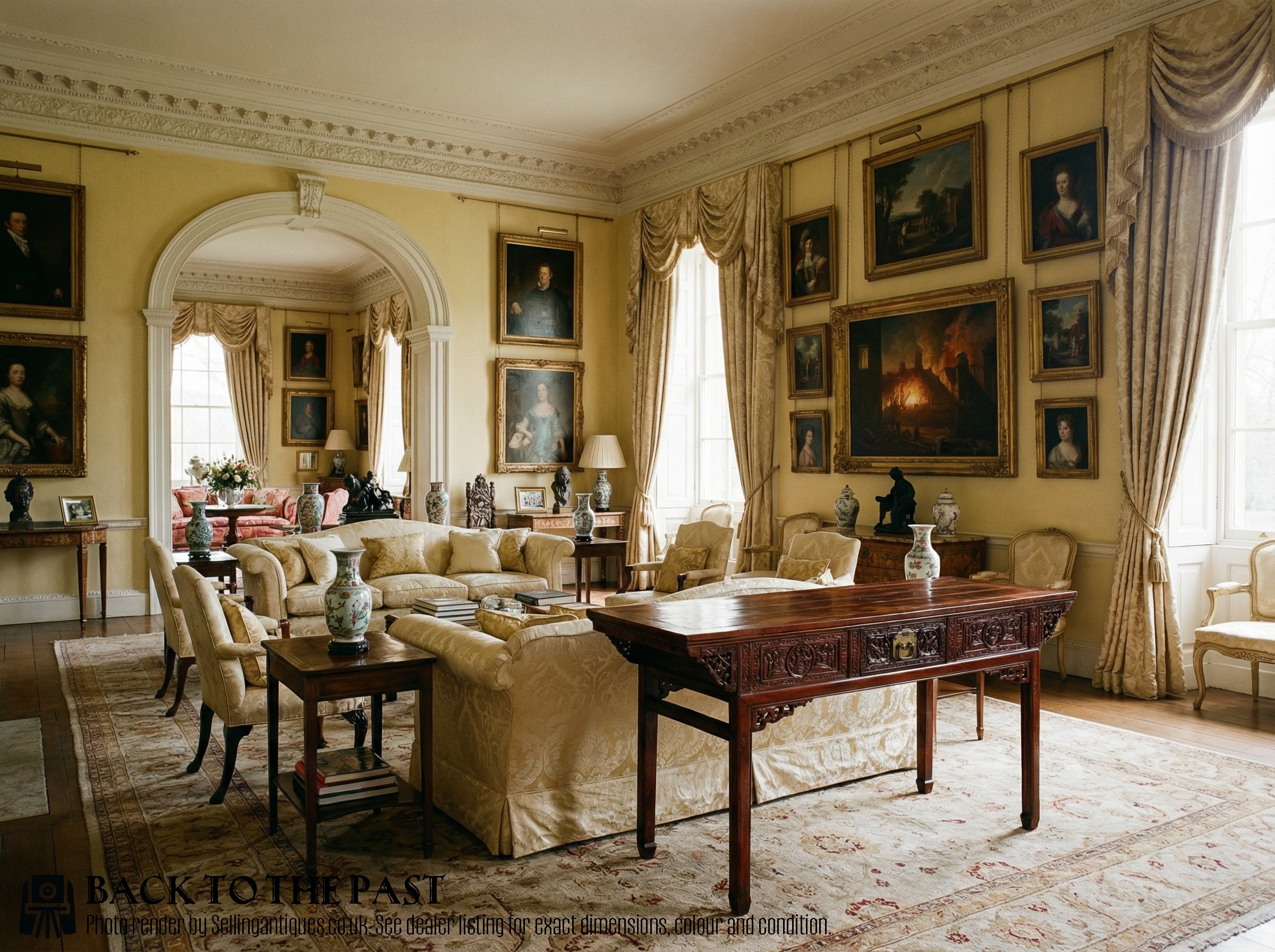
Lacquered Wood Side Table
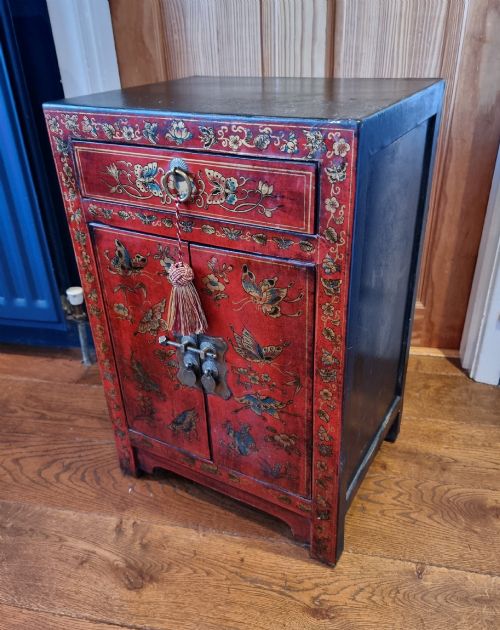
A lacquered wood side table brings decorative surface depth and varied global design traditions into a room, functioning as a practical table or stand. When exploring this selection, buyers encounter forms ranging from low occasional tables and nests to altar tables and work tables.
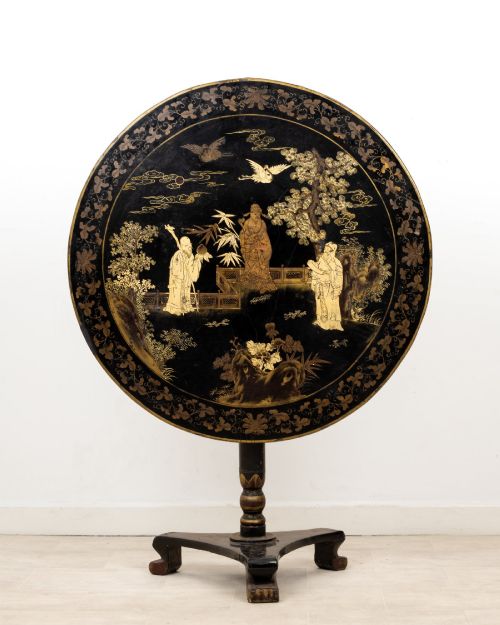
The inventory spans multiple centuries and origins, with pieces originating from Chinese export workshops, Japanese Meiji studios, Kashmiri makers, and English Sheraton or Victorian workshops. Red lacquer, black lacquer, and natural elm timbers dominate the aesthetic profile of these tables.
Chinoiserie decoration and Asian export styles appear frequently alongside English period interpretations, providing diverse options for interior placement. Buyers regularly find nesting tables, plant stands, and demi-lune consoles designed for specific functional roles.
How they were made
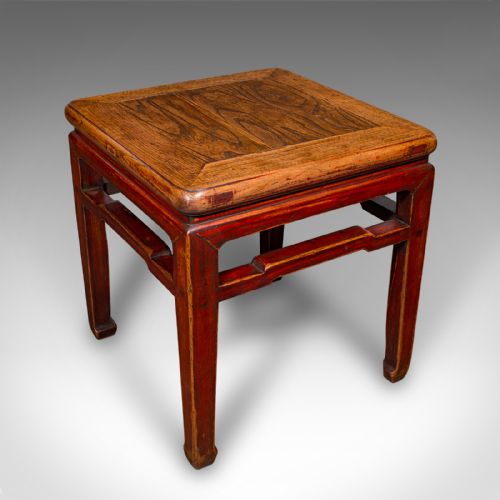
Craftsmen built these tables using traditional timbers such as Chinese elm, hardwood, and rootwood, often applying successive layers of lacquer to achieve a durable and lustrous finish. Surface enrichment frequently incorporates gold leaf, detailed paintwork, and carved elements.
Asian export and English Chinoiserie traditions utilise specialised joining and finishing techniques, sometimes pairing lacquered wood surfaces with brass hardware, quartz inserts, or parcel gilt accents. Kashmiri and Japanese pieces employ regional carving methods on local woods before sealing the surface.
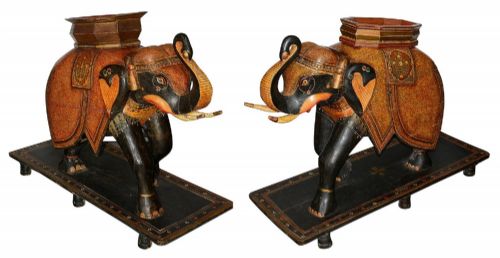
Elephants carved from Kashmiri wood carry lacquer finishes into rooms where ordinary tables simply refuse to march.
What varies in quality
The distinction between standard examples and the finest items rests in the depth of the lacquer layers and the precision of the hand-painted or gilt detailing. Superior pieces display crisp pictorial scenes and stable timber construction that resists seasonal movement.
Proportion, decorative restraint, and the integration of regional materials such as cinnabar or gold leaf elevate certain tables above purely utilitarian items. Original surfaces with well-preserved patination hold greater appeal than heavily restored finishes.
The Lacquered Wood Side Table Glossary
- Altar table
- A traditional Chinese table form with upturned flanged ends or straight edges, originally designed for ritual use. These low or console-height pieces now serve as striking display surfaces.
- Nest of tables
- A set of graduating tables designed to fit neatly beneath one another when not in use. This practical form became particularly popular in nineteenth-century lacquerware and Chinoiserie production.
- Cinnabar
- A carved lacquer technique where numerous layers of red mercuric sulphide lacquer are built up on a wooden core. Artisans then carve intricate figurative or floral motifs into the thick hardened surface.
- Elm
- A resilient hardwood utilised extensively in Chinese furniture construction for its tough grain and structural stability. It forms the solid wooden foundation for many regional side tables and cabinets.
Lacquered Wood Side Table: Frequently Asked Questions
How do I style a lacquered wood side table?
Pair the reflective surface of the table with matte textures such as ceramics, linen, or unpolished books to create a balanced arrangement.
Position the piece where natural light catches the lacquer and gilt details without exposing the timber to direct, harsh sunlight.
What is the difference between Chinoiserie and Chinese export pieces?
Chinoiserie describes European-made furniture decorated in a European interpretation of Chinese styles, often during the eighteenth and early nineteenth centuries.
Chinese export pieces were manufactured within China specifically for Western markets, utilising authentic local techniques and native timbers such as elm.
How should I care for antique lacquer surfaces?
Dust the surface regularly with a soft, dry microfibre cloth to prevent abrasive particles from scratching the delicate lacquer layers.
Avoid chemical cleaners, moisture, and excessive heat, applying a microcrystalline wax only if recommended for the specific finish condition.
Were these tables used as daily furniture?
Many forms served specific daily functions, such as tea preparation on Japanese chabudai tables or needlework on Victorian and export work tables.
Other variants, including altar tables and plant stands, fulfilled ceremonial or decorative display roles within traditional households.