




Lacquered Wood Room Divider
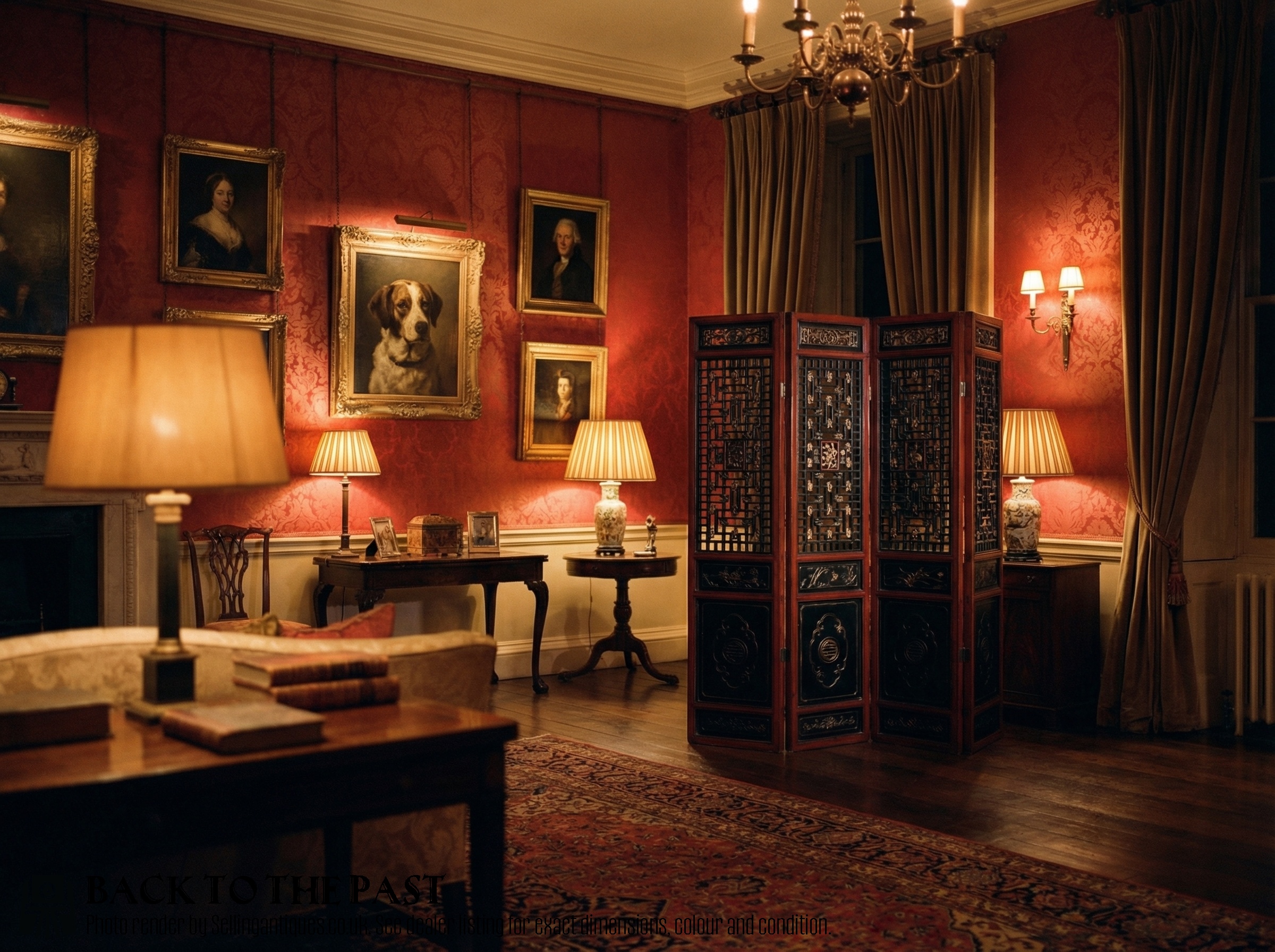
A lacquered wood room divider defines space with rich historical surface and practical structure, bringing architectural presence and distinct narrative craft to an interior.
Lacquered Wood Room Divider
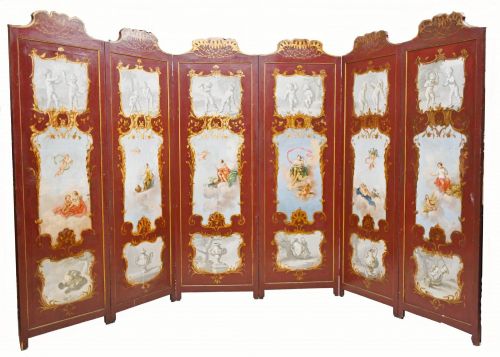
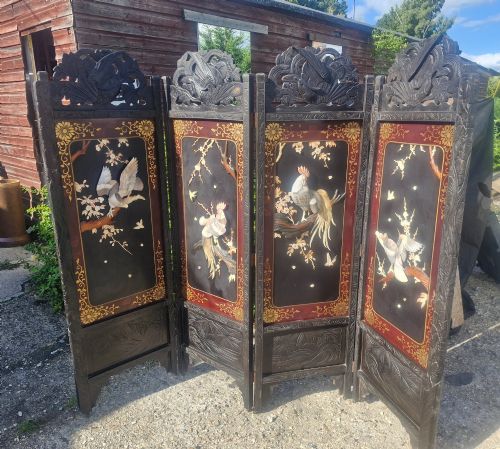
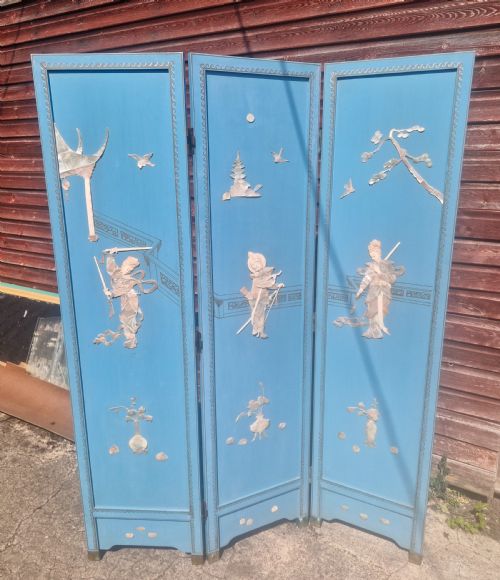
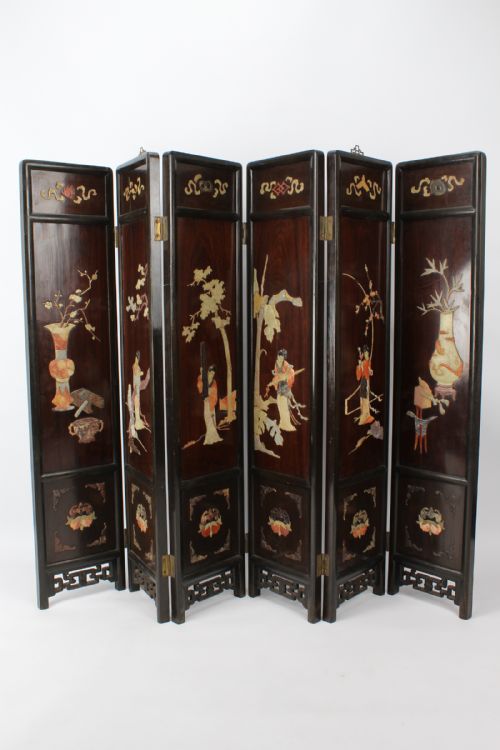
A lacquered wood room divider takes form primarily as a multi-panel folding screen designed to separate spaces or adorn an interior wall. The selections encountered here span folding screens, dressing screens, and fire screens originating from diverse periods.
Makers utilised various regional traditions, yielding Chinoiserie, Japanese Meiji, Qing Dynasty, Chinese Republic Era, and Burmese aesthetics. Examples range from nineteenth-century pieces to mid-century creations, encompassing both grand eight-fold configurations and more compact three-panel variations.
How they were made
Construction relies on sturdy hardwood frames coated in layers of lacquer to build a durable, lustrous surface. Artisans then integrated decorative elements directly into the wood and lacquer base.
Detailing involves delicate applications of gold leaf, mother-of-pearl, and hardstone, alongside deep carved bone figures and intricate inlay work. These traditional techniques create tactile relief and contrasting visual depth across the panels.
Lacquered Wood Room Divider Retail Price Guide 2026
Typical asking prices for lacquered wood room divider among the pieces listed under this phrase on Sellingantiques today, from the lower quarter to the upper quarter. They describe what is for sale here now, not the wider market.
Listings feature items spanning the nineteenth century through the nineteen fifties, incorporating materials such as brass, bone, and gold leaf.
What varies in quality
The sophistication of the surface decoration determines the distinction between standard examples and superior works. Deep carving and precise inlay require advanced artisan skill, setting intricate narrative scenes apart from simpler painted motifs.
The structural integrity of the folding mechanism and the richness of the underlying lacquer layers dictate the longevity and aesthetic weight of the screen. Superior materials like dense hardwoods and genuine mother-of-pearl elevate both the visual impact and the physical substance of the divider.
The Lacquered Wood Room Divider Glossary
- Lacquer
- A durable resin finish applied in multiple coats to wood to create a smooth, protective surface. It forms the glossy foundation characteristic of these panels.
- Chinoiserie
- European artistic style reflecting Chinese motifs and decorative techniques. This aesthetic heavily influences many of the painted room dividers.
- Meiji Period
- An era in Japanese history spanning from eighteen sixty-eight to nineteen twelve noted for distinctive craftsmanship. Pieces from this time often feature meticulous detail and bone inlay.
- Hardstone
- Naturally occurring semi-precious stones cut and polished for decorative inlay. Artisans embed these stones into the lacquer to build floral and figurative reliefs.
- Fire screen
- A smaller decorative panel originally placed before an unused fireplace. These items share the folding screen construction and lacquered wood materials.
Lacquered Wood Room Divider: Frequently Asked Questions
How do I use a room divider?
These folding screens function to segment large rooms, create private dressing areas, or stand as decorative wall art. They offer a flexible method to alter interior layouts without permanent structural changes.
Position the panels to catch indirect light, which highlights the depth of the lacquer and the relief of the inlay work. Ensure the hinges remain stable and do not bear excessive weight during adjustment.
What is Chinoiserie?
Chinoiserie represents the European interpretation of Chinese and East Asian artistic traditions, popular across various historical periods. It incorporates motifs like pavilions, figures, and landscapes into furniture and screens.
This style blends traditional Western furniture forms with Asian decorative techniques, resulting in distinctive painted and lacquered surfaces.
How do I care for lacquered wood?
Protect lacquered surfaces by keeping them away from direct sunlight and extreme temperature fluctuations. Dust gently with a soft, dry cloth to preserve the finish without scratching the material.
Avoid using liquid cleaners or chemical polishes, as these can damage the delicate layers of lacquer, gold leaf, and inlaid bone or mother-of-pearl.
How can I tell periods apart?
Differentiating periods relies on observing the stylistic markers, carving depths, and specific material combinations present in the construction. Nineteenth-century examples often feature deep bone carving and traditional East Asian motifs, while later twentieth-century pieces can show simplified construction and distinct regional adaptations.
Examine the hinges, the composition of the wood substrate, and the application method of the gold leaf or hardstone to gather clues about the era of manufacture.