


Lacquered Papier Mache Table
Lacquered papier mache table designs combine durable pulped paper foundations with glossy painted surfaces, offering collectors decorative yet functional antique furnishings.
Lacquered Papier Mache Table
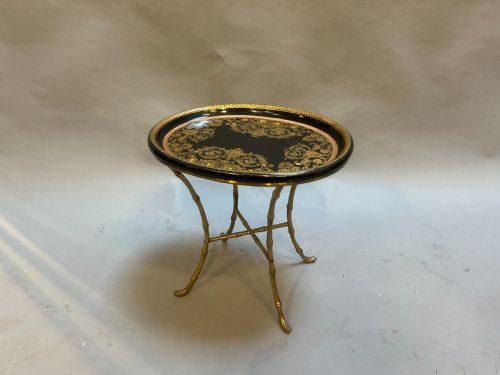
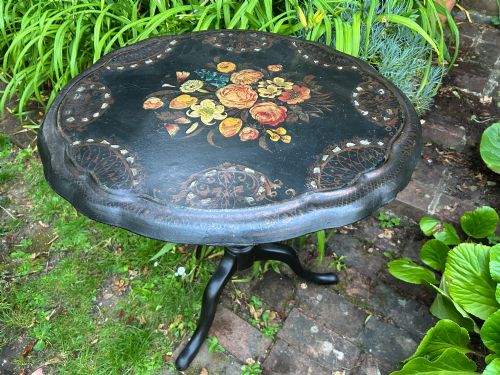
A lacquered papier mache table brings together functional furniture forms and ornate surface decoration, spanning periods from the Georgian era through the Victorian period and into the early twentieth century. Buyers seeking this phrase typically encounter occasional tables, side tables, tilt-top tables, and tray tables supported by stands.
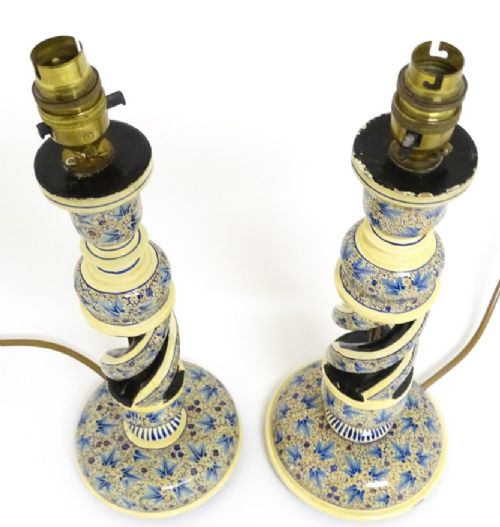
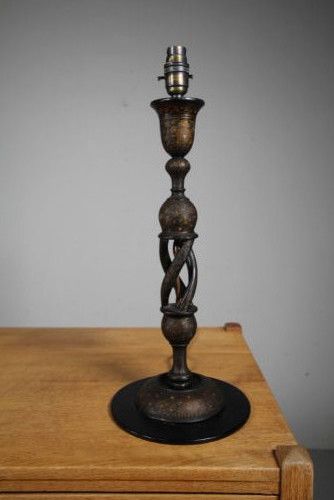
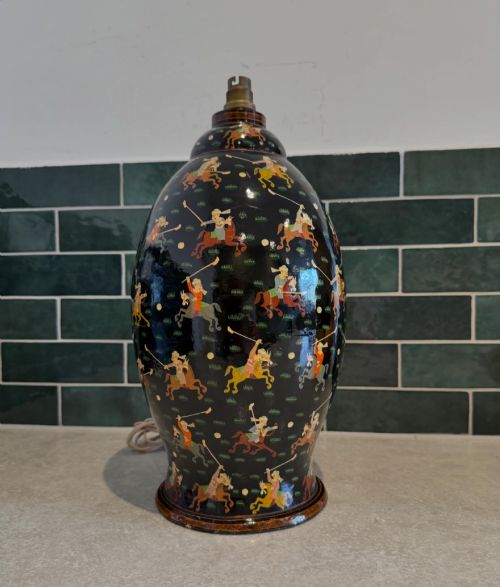
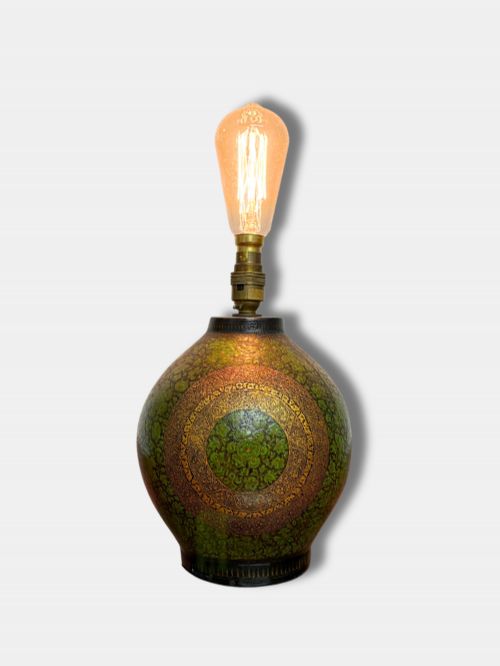
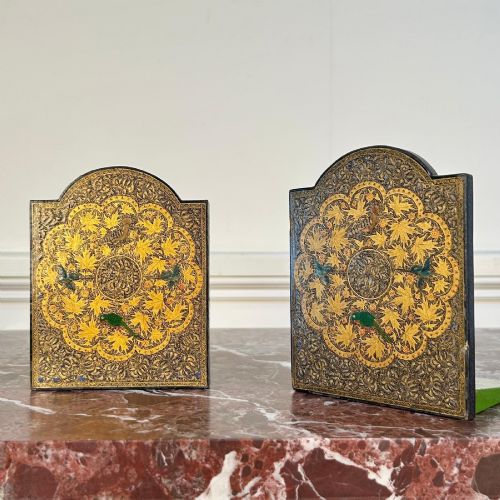
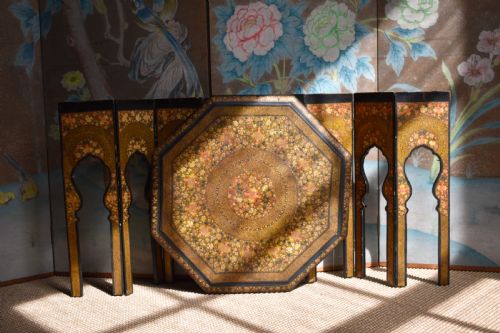
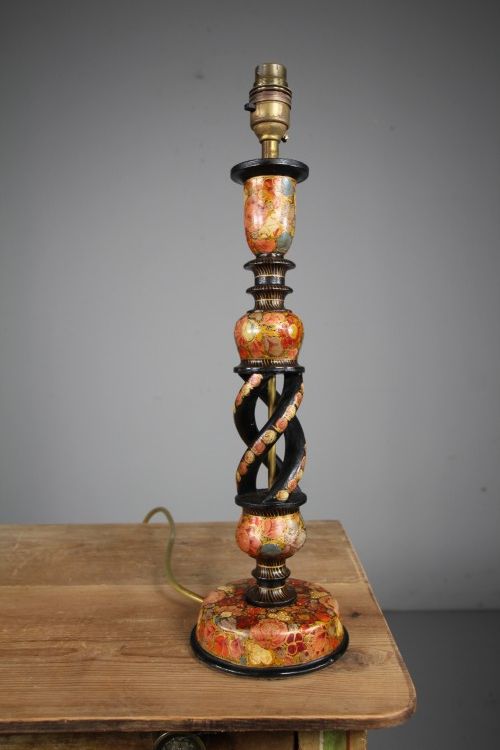
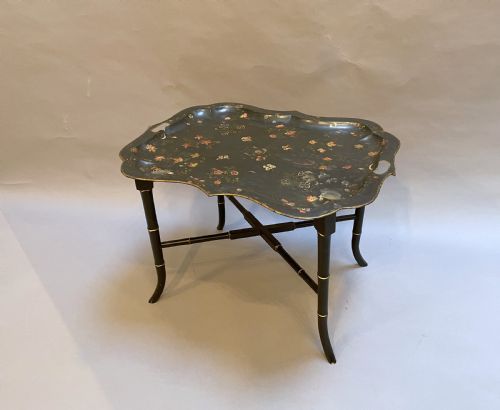
The regional origins of these pieces vary between English workshops producing Victorian Chinoiserie and Regency styles, and Kashmiri makers producing folk art and painted designs. Tray tables resting on collapsible or fixed stands appear frequently among the listings, alongside smaller occasional pieces.
How they were made
The construction relies upon pulped paper or layered paper sheets mixed with glue and resin, compressed and baked to form a rigid structural base. This durable material accepts smooth layers of dark lacquer that provide a foundation for subsequent ornamentation.
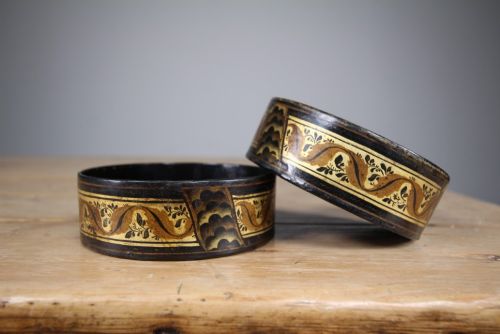
Artisans applied paint, gold leaf, and gilding by hand to create intricate Chinoiserie motifs, floral patterns, and folk art scenes. Protective varnish layers sealed the painted decoration against everyday wear.
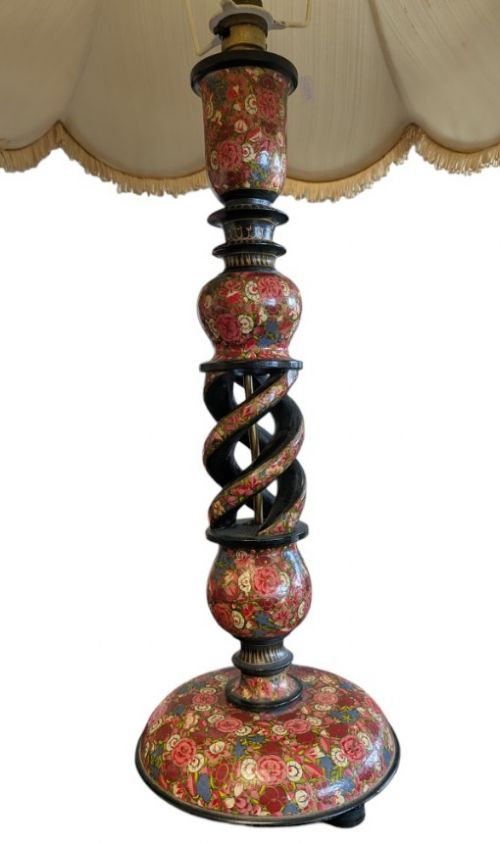
Listings feature items spanning the Georgian, Regency, and Victorian periods, alongside early twentieth-century Kashmiri pieces made from wood, lacquer, and papier-mache.
What varies in quality
The standard of a lacquered papier mache table rests upon the crispness of the hand-painted decoration and the depth of the lacquer finish. Superior examples display refined brushwork, meticulous gilding, and well-preserved surface detail without extensive obscuring overpaint.
Structural integrity also separates the output, as the underlying papier-mache core must remain solid and stable beneath its decorative skin. Pieces retaining their original stands and fittings command greater regard than those altered or married to later bases.
Henry Clay·Jennens & Bettridge·Stobwasser
The Lacquered Papier Mache Table Glossary
- Papier-mache
- A composite material made from paper pulp or reinforced sheets mixed with binding agents, moulded into solid forms. It provides a lightweight yet sturdy base for decorative furniture and small objects.
- Chinoiserie
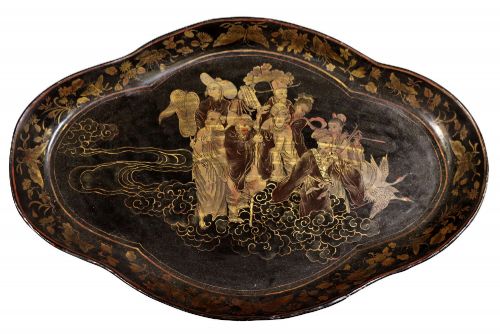
- A European decorative style reflecting Chinese artistic influences, featuring landscapes, figures, and pagodas. This aesthetic frequently appears in gold and colour upon black lacquer surfaces.
- Tilt-top table
- A table featuring a hinged mechanism that allows the top to pivot vertically for storage when not in use. These forms often display painted decoration on the table surface itself.
- Gilding
- The application of gold leaf or gold powder to a surface for decorative enrichment. It highlights specific motifs within the painted design.
- Tray table
- A large serving tray mounted upon a dedicated wooden stand to form a low table. Many surviving examples pair Georgian or Regency trays with later matching bases.
Lacquered Papier Mache Table: Frequently Asked Questions
How do I clean a lacquered papier mache table?
Dust the surface gently with a soft, dry microfibre cloth to remove loose particles. Avoid using water, chemical sprays, or abrasive cleaners, as moisture and harsh solvents damage the delicate lacquer and gold leaf.
For stubborn marks, consult a professional conservator rather than attempting home remedies. Maintaining a stable indoor environment away from direct sunlight protects the finish from fading and cracking.
Are these tables strong enough for daily use?
While the compressed paper pulp creates a surprisingly rigid and durable foundation, these items remain antique decorative furnishings. They function well for holding light objects, books, or drinks, but heavy loads or rough treatment can compromise the core.
Placement away from heat sources and damp areas ensures the structural body and surface lacquer remain stable over time. Treat them with the care appropriate for nineteenth-century decorative arts.
How do I tell a Regency table from a Victorian one?
Regency examples generally date from the early nineteenth century and lean towards neoclassical motifs, classical proportions, and restrained Chinoiserie compositions. Victorian pieces often exhibit bolder floral ornamentation, ebonised finishes, and elaborate mother-of-pearl inlay.
Examining the construction of the underlying stand and the style of the painted motifs helps clarify the period of manufacture. Surviving trade labels or stamps on the reverse occasionally provide definitive maker attribution.
What is the difference between English and Kashmiri pieces?
English examples from firms like Jennens and Bettridge typically feature deep black lacquered surfaces with refined metallic Chinoiserie landscapes and gilt borders. Kashmiri items showcase vibrant folk art painting, colourful floral patterns, and distinct regional palettes.
The woodwork and assembly methods also reflect their respective geographic origins and workshop traditions. Both traditions utilise papier-mache foundations but express very different aesthetic viewpoints.