
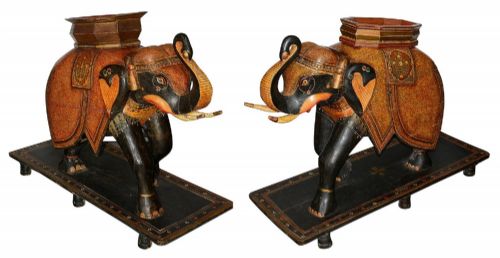


Hand Painted Indian Table
A hand painted indian table brings vibrant folk art traditions into a room, offering rich colour and intricate patterns shaped by centuries of craftsmanship.
Hand Painted Indian Table
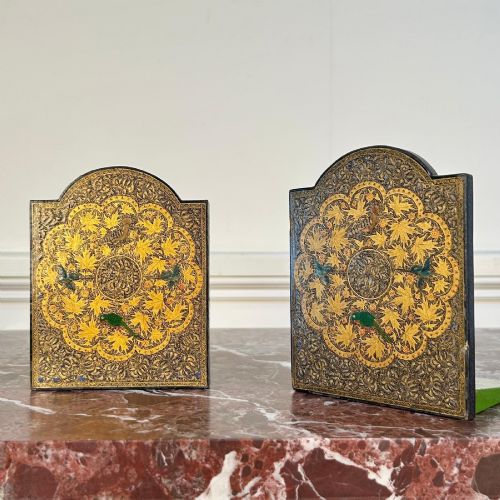
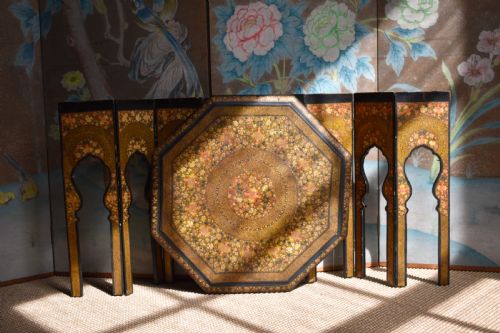
When you search for a hand painted indian table, you encounter pieces that originate primarily from Kashmiri and Anglo-Indian traditions, spanning the nineteenth and early twentieth centuries. The items available include occasional tables finished with detailed paintwork or lacquer, alongside related lighting and decorative objects that share the same distinctive aesthetic.
The side tables and occasional furniture often feature intricate floral or figurative motifs applied directly to wood surfaces. These pieces bring a distinct regional character to an interior, reflecting Asian folk art styles that have adapted over generations.
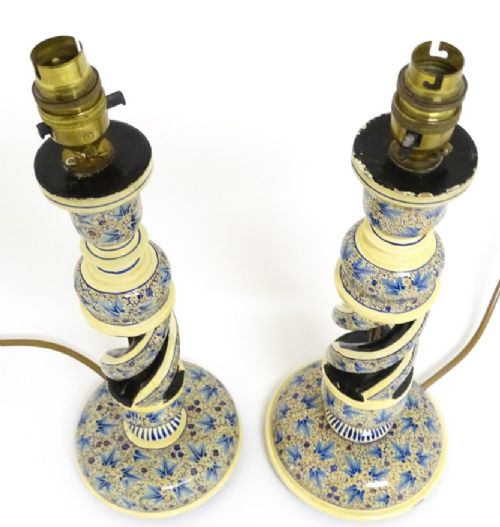
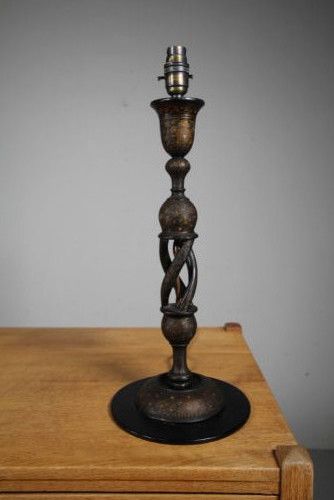
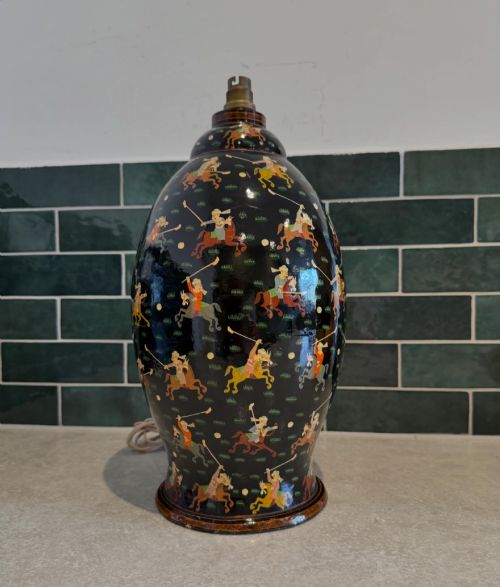
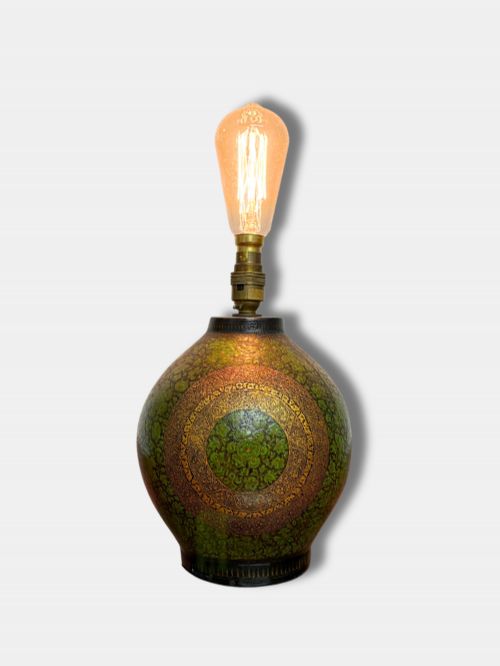
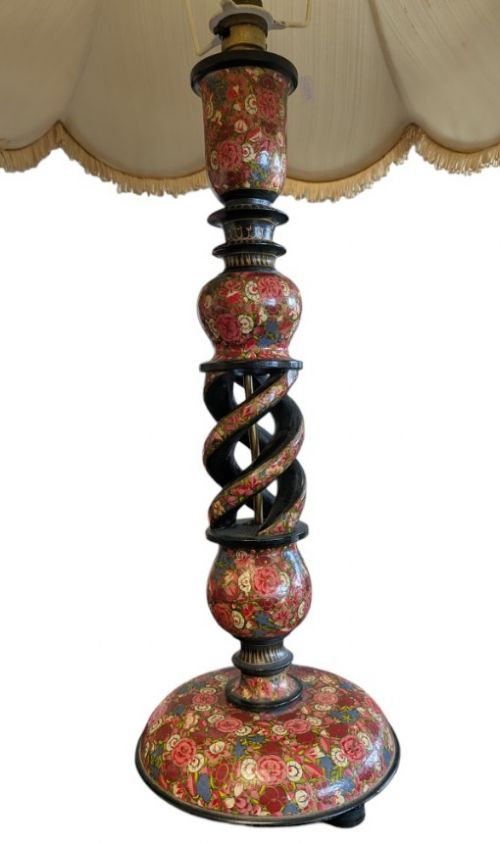
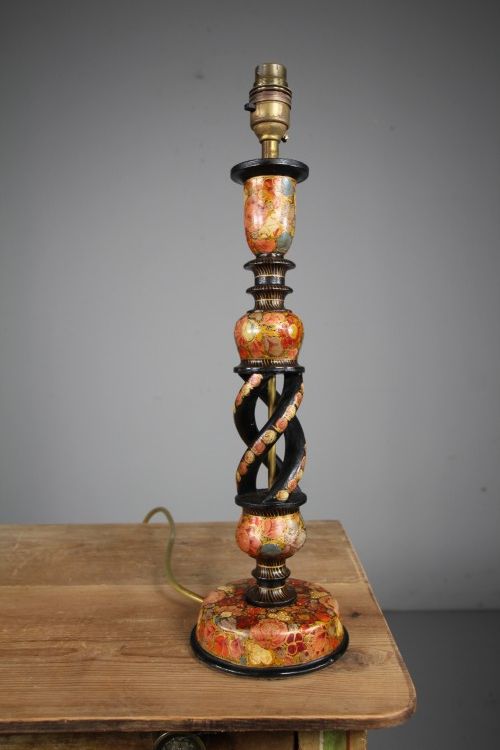
While tables form a core part of this tradition, the selection frequently encompasses related forms such as table lamps, stools, and carved sculptures. Each object displays the dense surface decoration characteristic of Kashmiri and Burmese colonial craftsmanship from the Victorian era onwards.
How they were made
The construction of these pieces relies on traditional woodwork combined with specialised surface preparation. Artisans utilise carved wood, papier-mache, and brass components to form the structural body of tables and lamps before applying decorative finishes.
Surface decoration involves the application of pigment, paint, and gilt gold over lacquer or primed wood bases. Craftsmen build up intricate patterns by hand, sealing the finished artwork to protect the delicate details.
Several nineteenth-century elephants wear permanent smiles alongside their painted tusks.
What varies in quality
Quality in these pieces rests upon the precision and complexity of the hand-painted or lacquered decoration. Finer examples display tightly controlled brushwork, harmonious palettes of pigment and gilt gold, and deeply detailed carving across the wooden structure.
The integrity of the original surface finish distinguishes superior items from heavier restorations. Pieces that retain their early lacquer layers with minimal loss show the true skill of the original workshop.
The Hand Painted Indian Table Glossary
- Lacquer
- A clear or coloured varnish applied in multiple coats to wooden surfaces to create a hard, protective, and glossy finish. This technique provides a durable background for intricate painted designs.
- Papier-mache
- A composite material made from paper pulp or reinforced paper layers mixed with glue, which is moulded and dried before being painted. It allows for lightweight decorative objects with smooth surfaces.
- Anglo-Indian
- A term describing furniture and decorative arts made in India during the British colonial period, often combining local craftsmanship with European forms and tastes.
- Kashmiri Folk Art
- A regional decorative style characterised by densely packed floral patterns, paisleys, and animal motifs painted in bright pigments on wood or papier-mache.
Hand Painted Indian Table: Frequently Asked Questions
How do I care for a painted table?
Keep painted and lacquered surfaces away from direct sunlight and excessive moisture to prevent the pigment from fading or lifting.
Dust gently with a soft, dry cloth and avoid chemical polishes that can damage the antique finish.
Where were these pieces made?
Most items originate from Kashmir and other regions of the Indian subcontinent, created during the nineteenth and early twentieth centuries.
Some pieces reflect Burmese colonial influences, blending local materials with traditional Asian folk art techniques.
How do I identify the period?
Examine the wood construction, the type of paint or lacquer used, and the style of the decorative motifs.
Nineteenth-century examples often feature deeper patination and hand-mixed pigments, while early twentieth-century pieces may show specific design shifts towards electrified lighting and twist-turned supports.
Are these tables sturdy enough for daily use?
These occasional tables are generally suited for display and light service rather than heavy load-bearing tasks.
Placing them away from high-traffic zones helps protect the delicate painted or lacquered surfaces from accidental knocks.