






Red Lacquered Wooden Table
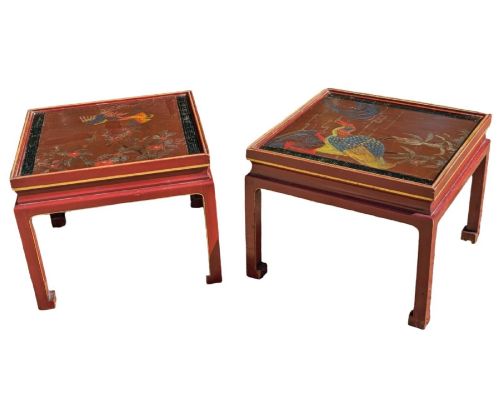
A red lacquered wooden table brings vivid pigment and striking form to a room, offering both a functional surface and a rich focal point.
Red Lacquered Wooden Table
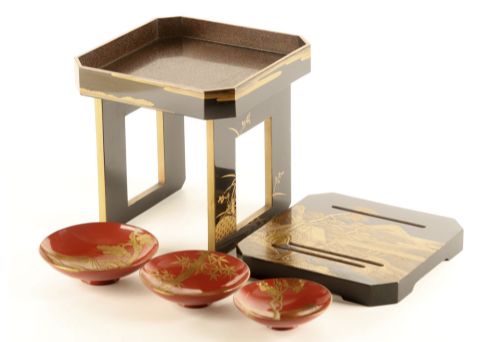
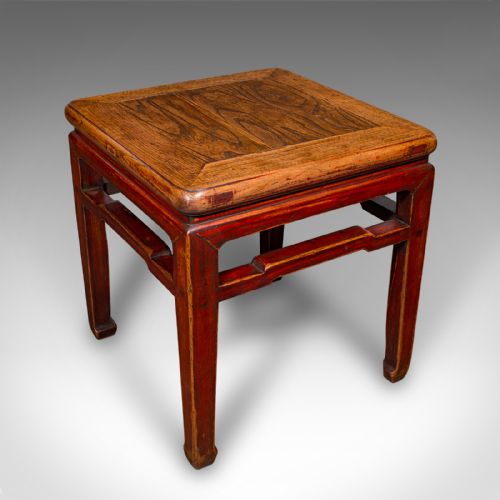
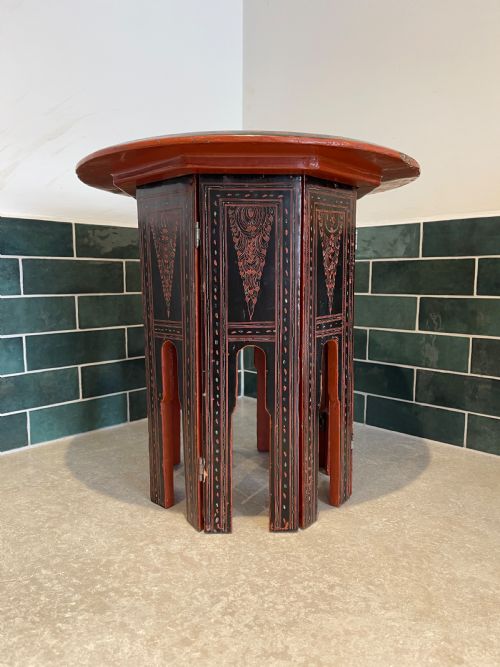
When you search for a red lacquered wooden table, you encounter diverse forms spanning centuries of Asian and British colonial craftsmanship. The selection encompasses low occasional tables, writing desks, console tables, and plant stands created in varied regional traditions.
You are most likely to meet pieces originating from China, Japan, and Burma, alongside Anglo-Indian and Anglo-Burmese interpretations. These range from low kneeling tea tables and altar designs to substantial console and side tables.
The periods represented stretch from the eighteenth century through the Victorian era and into the early twentieth century. Each object displays the distinct decorative vocabulary of its origin, whether Qing Dynasty formality or Meiji period detail.
How they were made
The construction relies upon solid wood substrates, frequently utilising elm or other native timbers, which are then coated in successive layers of natural resin lacquer. This meticulous build-up creates a hard, lustrous surface capable of holding deep red pigment.
Many surfaces receive additional ornamentation through applied gold leaf, intricate carving, or brass fittings. Joinery traditions vary from traditional Asian interlocking joints to British colonial framing adapted for export.
Listings feature woods such as elm, combined with materials like brass, leather, and iron across the eighteenth and nineteenth centuries.
What varies in quality
Quality rests in the depth and stability of the lacquer finish and the integrity of the underlying timber. Superior examples exhibit smooth, even coats of pigment without excessive cracking or flaking across the structural joints.
Carved detail and gilding also differentiate the work, with finer pieces displaying crisp, deliberate execution rather than soft or muddled edges. The weight and balance of the frame indicate the care taken in original construction.
The Red Lacquered Wooden Table Glossary
- Lacquer
- A durable finish applied in multiple coats using natural resin. This technique creates a smooth, glossy protective barrier over wood.
- Chabudai
- A short-legged traditional Japanese table used while sitting on tatami mats. These low surfaces serve tea or dining purposes.
- Altar table
- A long, narrow console table traditionally placed against a wall for display or ceremonial use. They often feature upturned flange ends.
- Qing Dynasty
- The last imperial dynasty of China, lasting from the mid-seventeenth to the early twentieth century. Furniture from this era displays distinct regional and court styles.
- Export
- Goods manufactured in one country specifically for sale to overseas markets. These pieces often blend local techniques with foreign aesthetic preferences.
Red Lacquered Wooden Table: Frequently Asked Questions
How do I care for a lacquered table?
Keep the surface away from direct sunlight and extreme humidity fluctuations to prevent the lacquer from drying and cracking.
Dust gently with a soft, dry cloth and avoid chemical cleaners or polishes that might damage the historical finish.
Can I use these tables daily?
Many of these surfaces served practical purposes like writing or serving tea in their original settings, so they handle normal use well.
Use coasters and placemats to protect the vintage finish from heat and moisture rings during everyday living.
How do I identify the period?
Examine the joinery methods, tool marks, and the specific style of carving or lacquer application used on the timber frame.
Compare the proportions and decorative motifs against documented examples from specific dynasties or Victorian export periods.
What is an altar table?
An altar table is a tall, narrow console designed to hold ritual objects against a wall in traditional settings.
Their elongated proportions and distinctive end flanges make them striking console surfaces in modern hallways and living rooms.