


Kpm Porcelain Painting
These kpm porcelain painting pieces bring hand-painted Berlin artistry, classical portraiture, and topographical scenes directly into your room.
Kpm Porcelain Painting
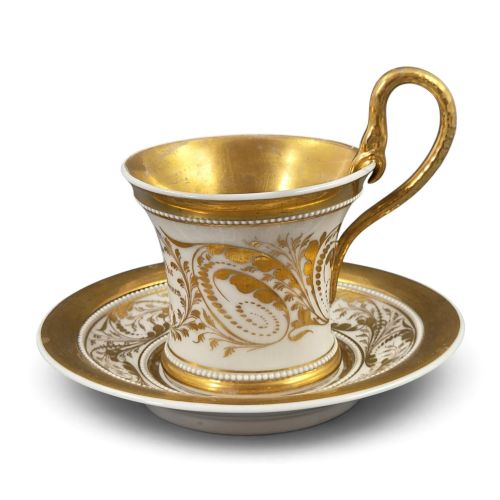
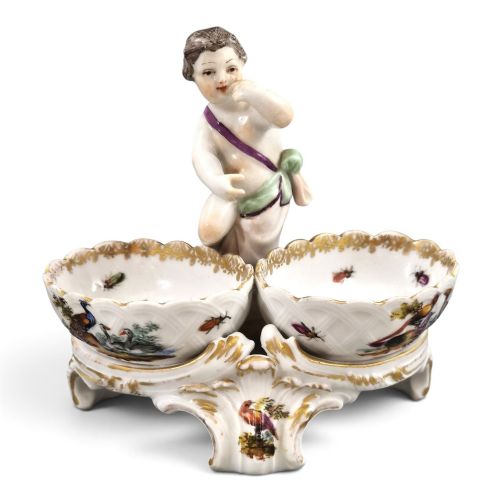
When you search for kpm porcelain painting, you encounter hard-paste porcelain plaques, cabinet cups, saucers, vases, and figural salt cellars originating from Berlin manufactories. These works span the nineteenth century, including Georgian, Victorian, and Biedermeier periods.
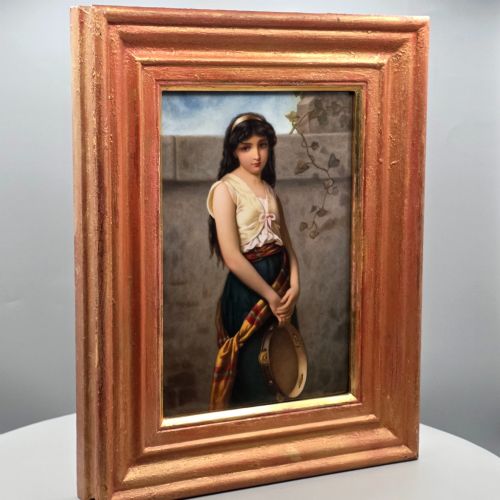
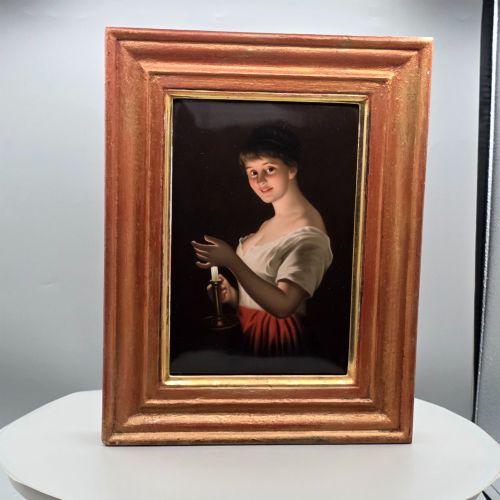
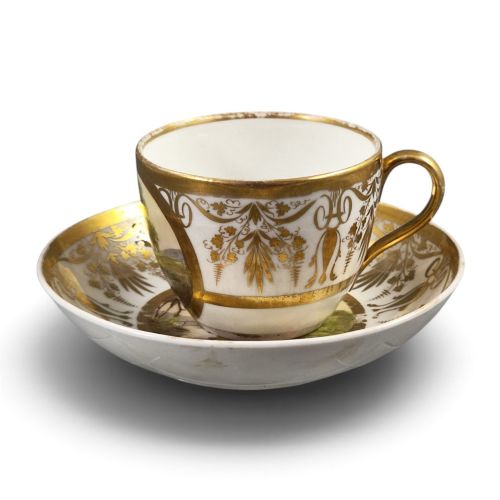
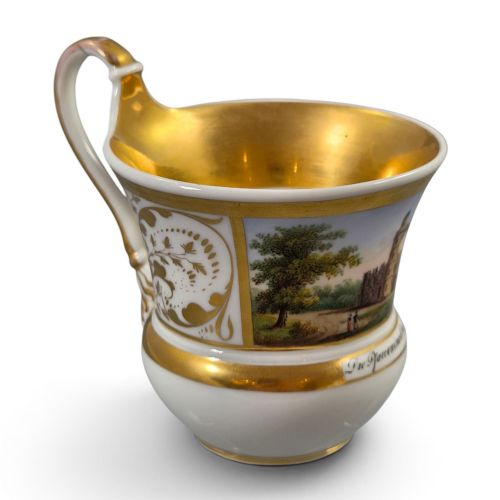
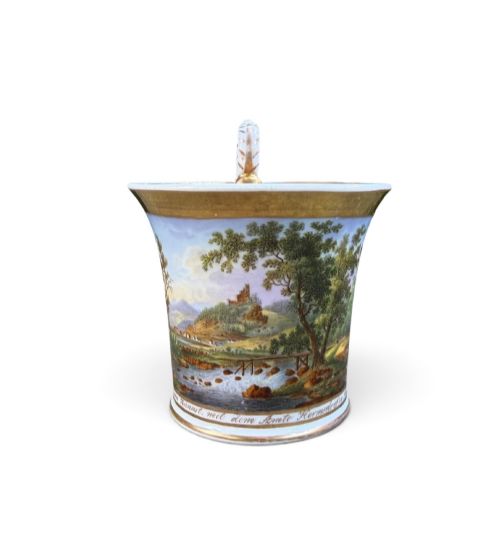
The objects take many forms, from framed portrait plaques and topographical cabinet cups to lidded vases, sugar shakers, and clock sets. Wall art and plaques bearing hand-painted figures, literary scenes, or master copies appear frequently among the listings.
How they were made
Artisans utilised hard-paste porcelain as the primary base, applying detailed hand-painted enamel designs to surfaces of plaques, cups, and vases. Gilding and gold leaf often accent the painted scenes and rims.
Makers housed certain plaques and porcelain items in giltwood frames, wooden mounts, or ormolu frames. Master painters executed portraits and landscapes with precise brushwork before firing.
Painted subjects span portraits of queens and young boys, topographical views of Peacock Island, and scenes after Raphael.
What varies in quality
The nuance and precision of the hand-painted brushwork separate standard items from superior pieces. Signatures by artists such as F. Kohle or depictions after Renaissance masters like Raphael elevate specific plaques.
The complexity of the form, from simple fluted dishes to large lidded vases and three-piece clock sets, dictates the ambition of the piece. Intricate gilding and the preservation of the enamel colours also alter the character of the object.
KPM Berlin·Royal Berlin
The Kpm Porcelain Painting Glossary
- Hard-paste porcelain
- A durable ceramic material fired at high temperatures, composed of kaolin and petuntse. It provides a smooth, white surface ideal for detailed enamel painting.
- Plaque
- A flat panel of porcelain meant for display as wall art. These pieces frequently showcase portraits, landscapes, or literary figures.
- Cabinet cup
- A decorative cup and saucer intended for display in a cabinet rather than daily tea service. They often feature topographical views or hand-painted landscapes.
- Enamel
- Vitreous coloured glass fused to the porcelain surface during firing. It creates the vibrant pigments seen in figures and landscapes.
- Gilding
- The application of gold leaf or powdered gold to the porcelain or framing. This technique highlights rims, handles, and decorative borders.
Kpm Porcelain Painting: Frequently Asked Questions
What is a kpm porcelain painting?
A kpm porcelain painting is a hand-painted artwork executed on a hard-paste porcelain plaque or vessel by the Berlin manufactory. These pieces often depict portraits, landscapes, or scenes after master painters.
They serve as decorative wall art or cabinet display items rather than functional tableware.
How do I date a kpm plaque?
Dating relies on stylistic periods such as the Georgian, Biedermeier, or Victorian eras, along with specific nineteenth-century decades. Signature styles and framing choices also offer clues to the period.
Most listed works date from across the nineteenth century into the early twentieth century.
Where were these pieces made?
These items originated in Berlin, Germany, through the Royal Porcelain Manufactory. The city remained a primary centre for hard-paste porcelain production.
Artisans there produced both utilitarian vessels and fine art plaques for European collectors.
How should I display porcelain plaques?
Porcelain plaques usually hang on walls or rest on stands within cabinets. Many arrive in period giltwood or ormolu frames designed for wall hanging.
Keep them away from direct sunlight to protect the enamel colours and gilding.