
Kitchen Dining Chairs
Kitchen dining chairs bring honest character and sturdy utility to the heart of the home, drawing on generations of traditional country craftsmanship.
Kitchen Dining Chairs
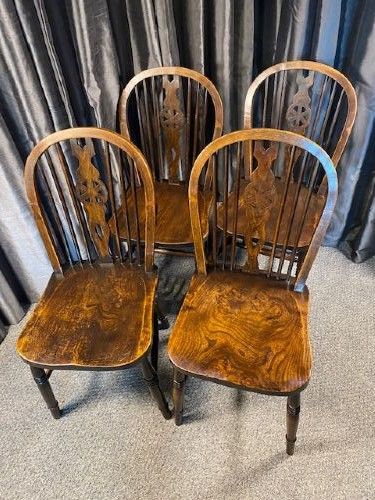
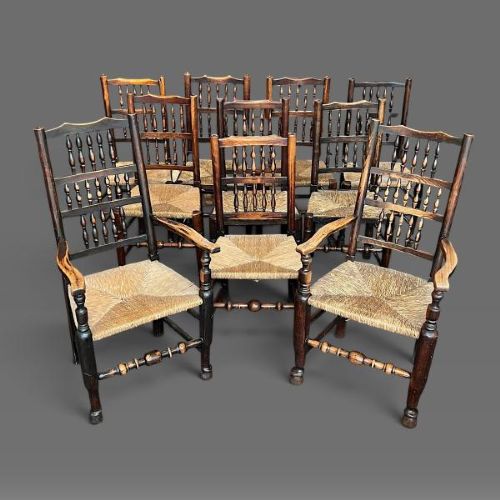
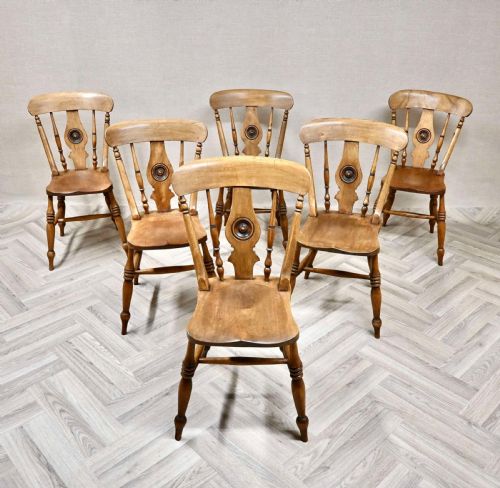
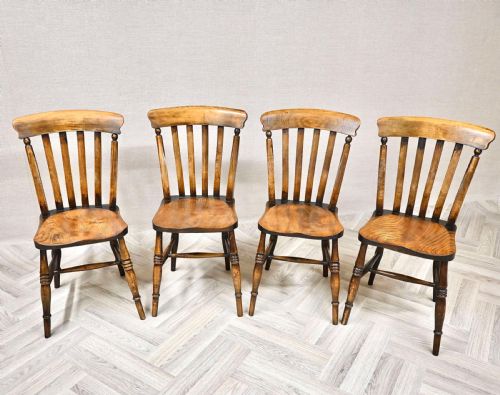
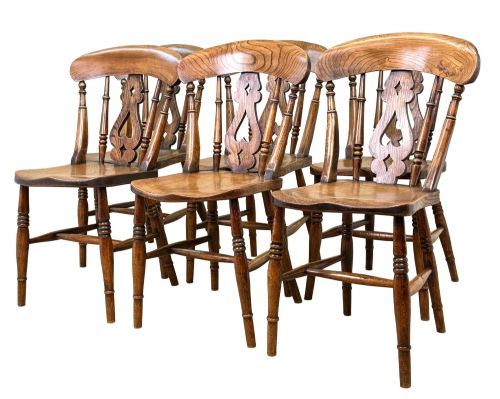
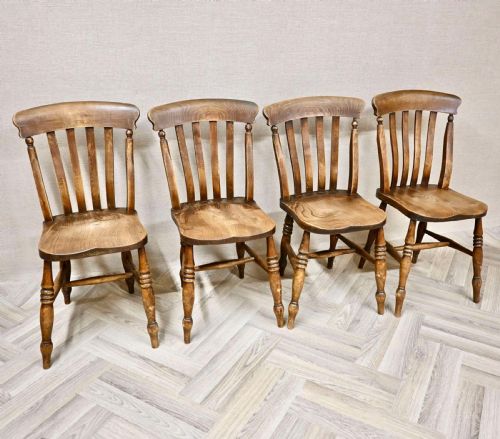
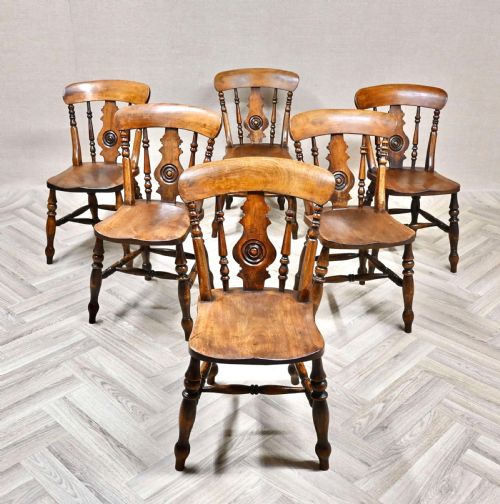
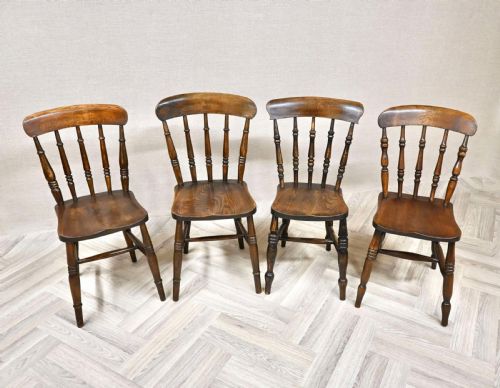
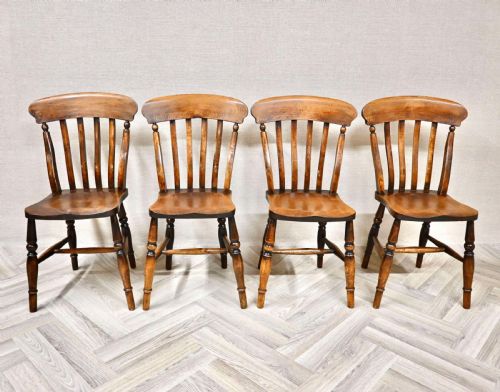
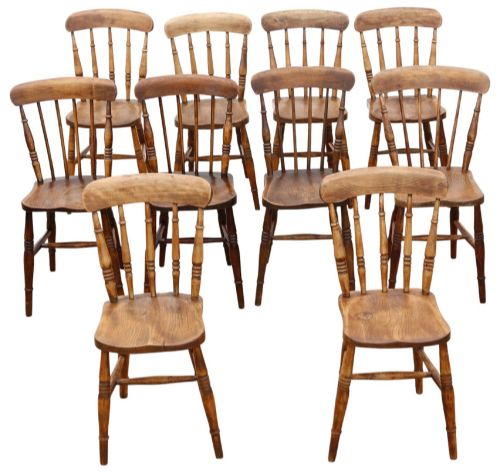
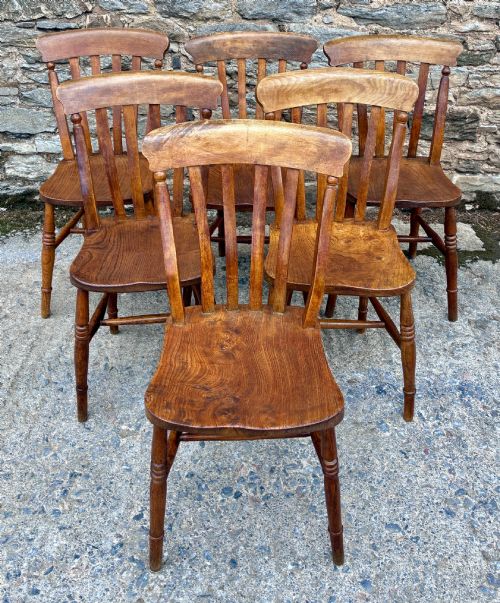
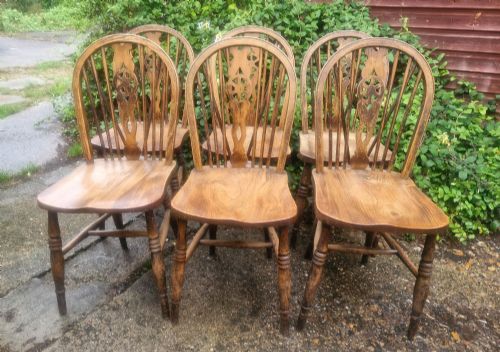
When searching for kitchen dining chairs, buyers encounter a rich variety of regional English country designs spanning the Georgian, Victorian, and Edwardian eras. The most common forms on this page are Windsor chairs featuring distinctive stick backs, wheel backs, and lath backs.
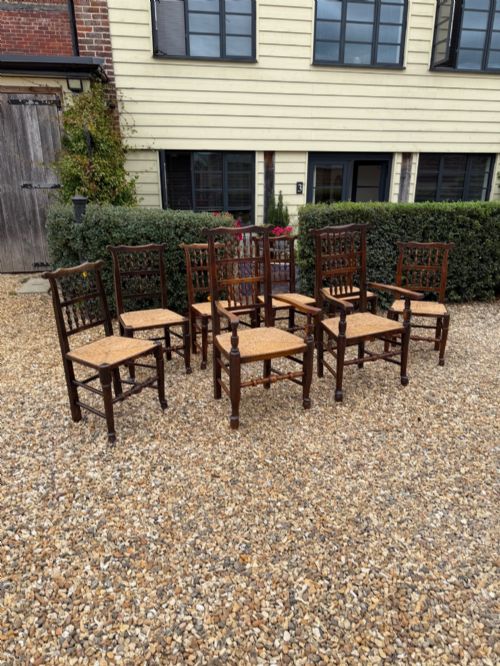
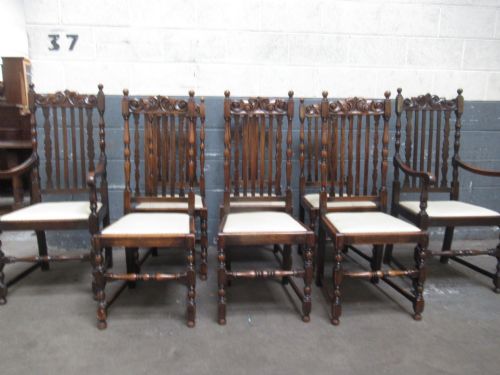
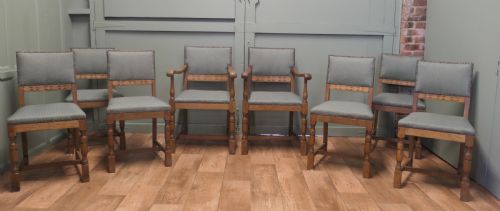
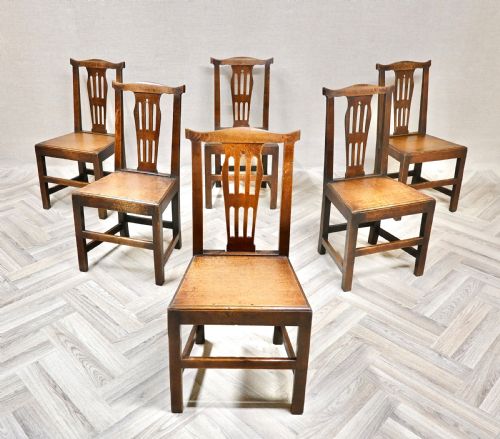
Sets frequently appear alongside individual armchairs and larger harlequin gatherings assembled over time. These rustic pieces range from sturdy nineteenth-century elm and beech farmhouse seats to clean-lined Arts and Crafts oak designs.
Origins trace directly to traditional English workshops, incorporating regional variations such as Thames Valley styles alongside utility and rustic farmhouse creations.
Materials and Construction
Traditional makers combined different timbers purposefully, pairing solid elm for comfortable, resilient saddle seats with ash, beech, or yew for flexible spindles and bentwood hoops.
Construction relied on time-tested joinery methods like wedged tenons and steam-bending to create rigid frames capable of withstanding daily domestic use.
Surfaces often display natural rush seating, turned legs, and hand-carved details that reflect the practical demands of rural carpentry.
The inventory spans standard dining chairs, carver armchairs, and matching tables across various regional styles.
Evaluating Craftsmanship
Quality reveals itself in the integrity of the timber selection and the depth of the natural patina accumulated over decades of use. Superior examples maintain tight, original joints without excessive replacement parts.
The sophistication of the turning on the legs and spindles separates standard utility seating from finer workshop productions. Comfort and balance remain paramount, visible in the generous proportions of sculpted wooden seats.
Dinco Penny Chairs·Thonet Yugoslavia
The Kitchen Dining Chairs Glossary
- Windsor
- A traditional wooden chair constructed with a solid shaped seat into which the legs and back spindles are directly tenoned. These pieces often feature steam-bent hoops and central splats.
- Harlequin set
- A collection of dining chairs that share similar periods, materials, or overall styles but were not originally manufactured together as a single batch. They offer a cohesive yet charmingly mismatched aesthetic.
- Lathback
- A Windsor chair variation featuring horizontal wooden slats, or laths, set into the upper back frame instead of vertical spindles. This design provides sturdy back support.
- Rush seat
- A traditional seating surface woven from dried marsh rushes around a wooden frame. This technique creates a textured, durable pad common in country dining furniture.
- Patina
- The deep, lustrous surface sheen developed naturally on wood over many decades of handling, polishing, and exposure to light. It serves as a key indicator of age and authenticity.
Kitchen Dining Chairs: Frequently Asked Questions
What is a harlequin set?
A harlequin set is a matched group of chairs assembled from different sources that share a common style, material, and period. They provide a practical solution for larger dining tables while retaining historic character.
These collections often combine individual finds into a harmonious arrangement that suits everyday dining rooms.
How do I identify a Windsor chair?
Windsor chairs are easily recognised by their thick, solid wooden seats that have been hollowed out for comfort. Into this heavy base, the legs and back spindles are secured directly.
Traditional versions rely on steam-bent wooden hoops and spindles rather than conventional framed upholstery or rigid joinery.
Are these chairs comfortable for daily use?
Most country dining chairs were built precisely for everyday utility, featuring ergonomically sculpted wooden saddle seats designed for long hours at the table. Their robust timber frames offer dependable structural support.
Adding loose cushions can enhance comfort further while preserving the authentic vintage appearance of the seat.
How do I care for antique wood chairs?
Preserving vintage wood requires avoiding direct heat sources and drastic humidity changes that can cause timber to split or joints to loosen. Regular dusting with a soft cloth maintains the finish.
Applying occasional natural wax feeds the timber and protects the historic surface patina without building up harmful residues.