
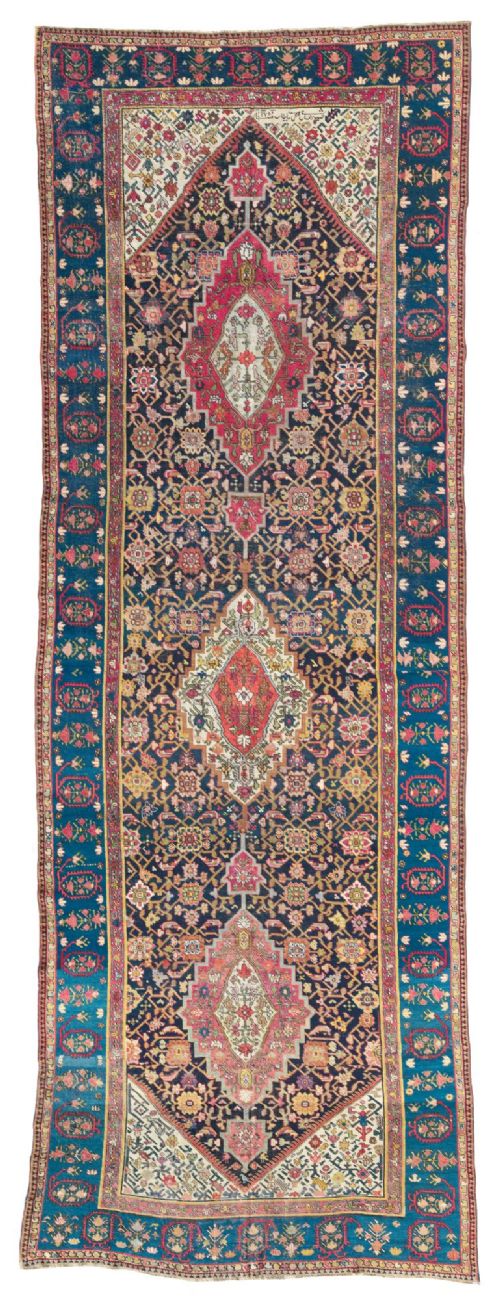
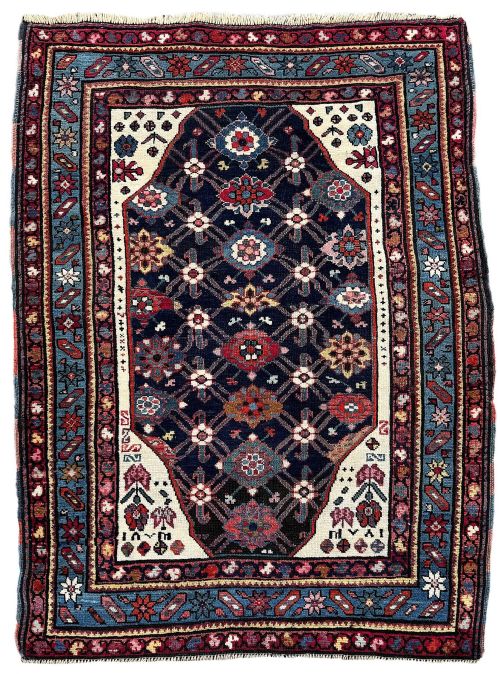
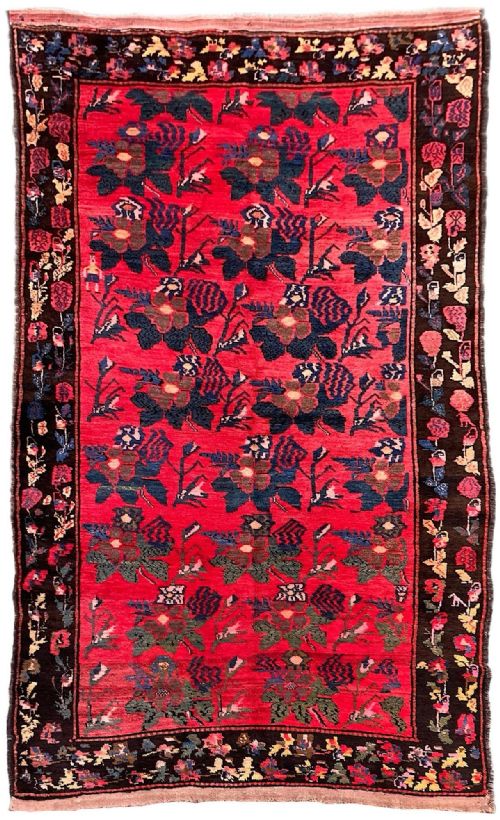

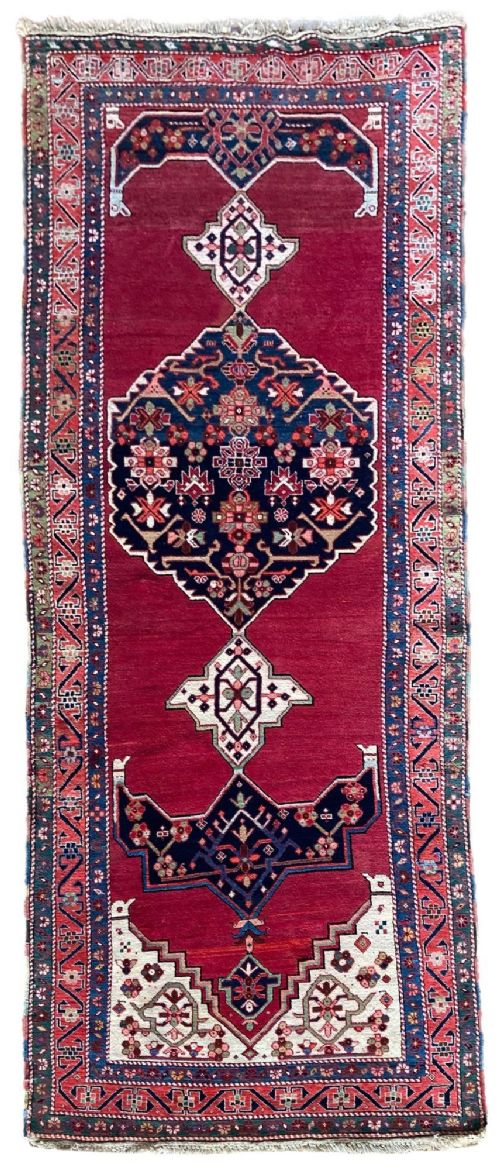


Karabagh Tribal Rug
A karabagh tribal rug brings the distinct geometric patterns and rich wool textures of the Caucasus directly into an interior.
Karabagh Tribal Rug
When you search for a karabagh tribal rug, you encounter hand-knotted floor coverings originating from the Caucasus region during the nineteenth and early twentieth centuries. These pieces encompass various formats including long rugs, village rugs, prayer rugs, and room-sized carpets.
The most common examples on this page date from the late nineteenth century to the early twentieth century, reflecting Caucasian, Armenian, and tribal design traditions. Makers utilised formats ranging from compact area rugs to elongated runners and large kelleh carpets.
Designs on these floor coverings include medallion layouts, striped boteh motifs, cloud band patterns, and pictorial depictions of people and animals. Each piece demonstrates the regional aesthetic of Caucasian traditional weaving.
How They Were Made
Weavers constructed these rugs using wool for the pile and foundation elements, alongside cotton for structural support in specific pieces. Hand-knotting techniques allowed artisans to build dense, durable surfaces capable of handling heavy floor traffic.
Natural dye sources provided the varied palette visible across the regional styles, creating depth within geometric medallions and repeating boteh motifs. The physical structure relies on traditional loom setups characteristic of Caucasian village workshops.
Listings span periods from the mid-nineteenth century to the early twentieth century, featuring wool and cotton materials across Caucasian tribal styles.
What Varies in Quality
The standard of execution depends heavily on the precision of the knotting and the complexity of the design layout, such as multi-medallion arrangements or intricate figurative work. Finer examples display crisper definition in tribal motifs like the boteh or cloud band.
Material selection also dictates the tier of the piece, with tightly spun wool and well-preserved foundations representing superior craftsmanship. The vibrancy and consistency of the colour palette further separate standard village productions from exceptional collector examples.
The Karabagh Tribal Rug Glossary
- Kelleh
- A large, elongated format of oriental carpet, typically longer and narrower than standard room carpets. These pieces often served as central floor coverings in long rooms.
- Boteh
- A teardrop or pine-cone shaped motif with a curved upper end, frequently repeated in rows across Caucasian and Persian rugs. This pattern holds ancient symbolic roots representing fertility and life.
- Kilim
- A flat-woven carpet or rug made without a pile, created by tightly interweaving warp and weft strands. These textiles function as lightweight floor coverings or wall hangings.
- Runner
- A long, narrow carpet format designed specifically for hallways, corridors, or alongside beds. These pieces emphasise linear pattern arrangements such as diagonal boteh motifs.
- Prayer rug
- A small rug featuring a mihrab or niche design at one end, indicating the direction of prayer. Weavers produced these items for personal devotional use.
Karabagh Tribal Rug: Frequently Asked Questions
How do I style a karabagh tribal rug?
Place these rugs on wooden or stone floors where their geometric patterns and rich colours can serve as a focal point in a hallway, living room, or study. Their diverse formats accommodate both narrow spaces and open room layouts.
Pair them with simple, understated furniture to let the traditional Caucasian designs stand out without visual competition. Ensure you use an appropriate underlay to protect the vintage wool foundation.
What is a chonderesk rug?
A chonderesk rug is a specific type of Caucasian weaving recognised by distinct structural patterns, such as the cloud band design seen in nineteenth-century examples. These pieces share stylistic traits with broader regional production while maintaining specific local geometry.
Collectors prize this specific attribution for its connection to traditional Caucasian village and tribal weaving centres. They offer a specific variation of the classic medallion format.
How are different periods told apart?
Earlier pieces from the mid-nineteenth century often display specific structural densities, organic dye variations, and classic tribal layouts that evolved by the early twentieth century. Examining the specific wool texture and foundation materials helps establish the approximate decade of production.
Comparative analysis of design elements, such as the evolution of medallion structures and border patterns, provides further clues regarding whether a rug dates to the nineteenth or early twentieth century.
Were these rugs made by specific groups?
Historical production in the Karabagh region involved a mix of Caucasian and Armenian weavers working in village and tribal settings. These makers passed down traditional motifs through generations, incorporating local iconography into each carpet.
Some pieces occasionally feature signed names by the weaver or specific regional markers that point directly to their origin. This cultural blending creates the distinctive aesthetic found across nineteenth-century examples.