
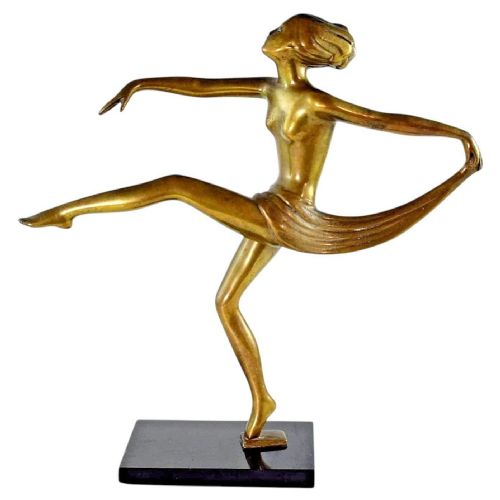
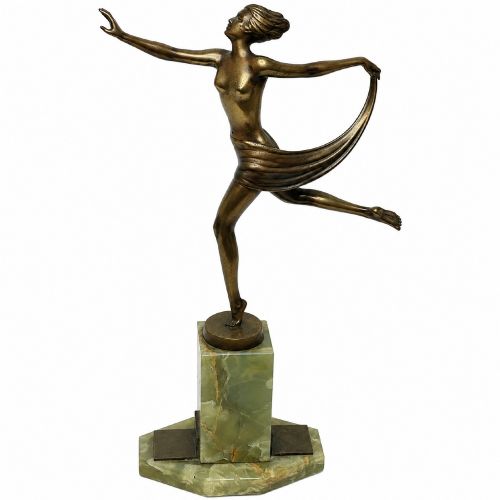
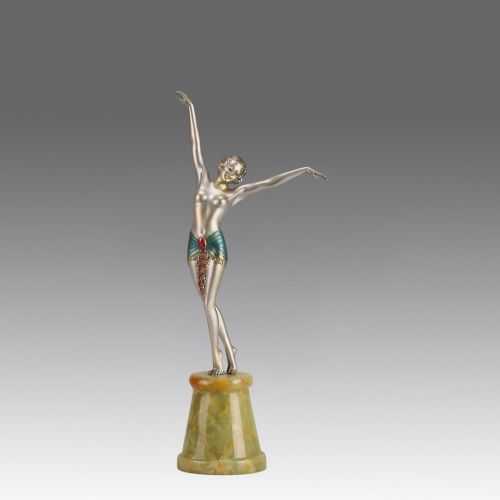
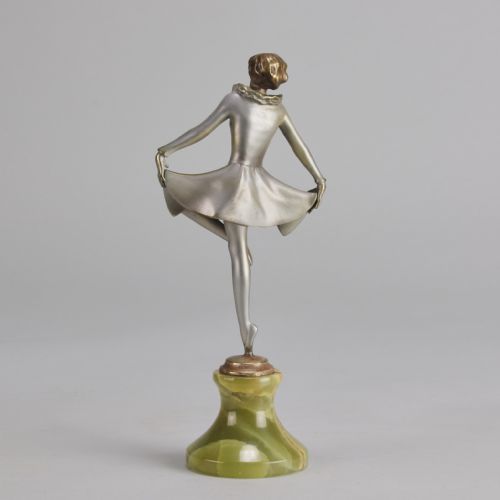


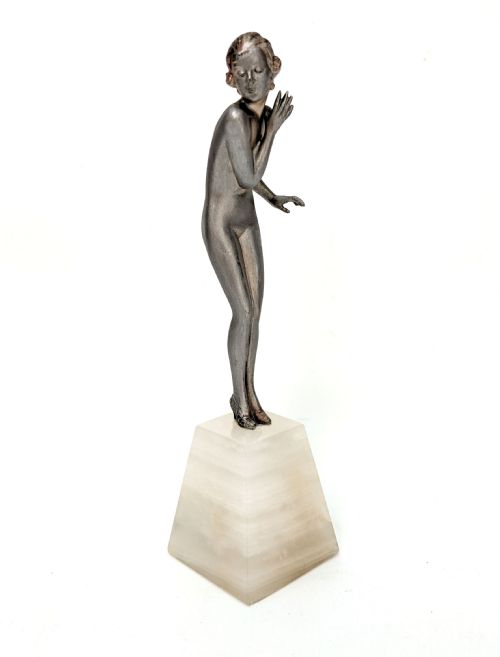
Josef Lorenzl Dancer Sculpture
These josef lorenzl dancer sculpture pieces capture the kinetic grace of Art Deco design through bronze and cold-painted finishes from the 1920s and 1930s.
Josef Lorenzl Dancer Sculpture
A josef lorenzl dancer sculpture brings the distinctive aesthetic of the Art Deco period into a collection, capturing dynamic movement in human form. You are looking at figures that represent female dancers, ballerinas, and scarf dancers captured in mid-motion.
The pieces on this page originate predominantly from the 1920s and 1930s, reflecting the height of Austrian sculpture production. Common forms include named figures like Trouser Girl, Egyptian Dancer, Phoebe, Curtsy, Running Girl, Bella, Charlotte, and Wanda, alongside studies of Maria Jeritza.
Most examples function as tabletop sculptures and figurines, frequently mounted upon natural stone or marble bases. Unsigned variants appear alongside documented works, spanning full bronze editions and spelter alternatives.
Materials and construction
Sculptures are frequently mounted on heavy stone plinths, with onyx and marble serving as the standard foundational materials to balance the slender posture of the dancers. Enamel accents occasionally contribute colour highlights to the metallic surfaces.
Several dancers balance entire narratives on tiptoe, proving that even heavy metal can learn ballet.
Assessing quality in the figures
The integration of the figure with its base dictates overall visual balance, particularly where outstretched arms or flowing scarves create shifting centres of gravity. Signed iterations and distinct named subjects carry specific distinction within the period output.
Josef Lorenzl
The Josef Lorenzl Dancer Sculpture Glossary
- Cold-painted bronze
- Bronze sculpture finished with paint applied after casting without subsequent firing. This technique allowed for vibrant surface detail on garments and hair.
- Spelter
- A zinc alloy used as a substitute for bronze in decorative metalwork. It provides a lighter and more affordable alternative for period figurines.
- Silvered bronze
- Bronze treated with a silver finish to create a reflective metallic sheen. This treatment complements the polished geometry typical of the era.
- Art Deco
- The dominant design style of the 1920s and 1930s characterised by sleek lines and stylised representations. It informs the posture and aesthetic of all these figures.
Josef Lorenzl Dancer Sculpture: Frequently Asked Questions
Are all figures signed?
Not every piece carries an explicit signature from the maker, as unsigned variants exist within the period output alongside documented examples.
Attribution relies on stylistic markers, proportions, and the distinct treatment of the female dancer form characteristic of the workshop.
What materials were used?
The works utilise bronze and spelter as the primary casting metals, often finished with cold-painted pigments, silvering, or gilding.
Foundations typically consist of heavy onyx or marble bases that support the slender verticality of the dancing figures.
Which decades do they date from?
The pieces span the 1920s and the 1930s, aligning directly with the height of European Art Deco sculpture production.
Dates assigned to individual works reflect this specific interwar period of manufacture.
How should I display them?
These sculptures require stable horizontal surfaces such as tabletops or dedicated display shelves where their three-dimensional forms can be viewed clearly.
Due to the integrated stone bases and delicate painted surfaces, placement should avoid areas prone to heavy vibration or direct moisture.