





Japanese Underglaze Blue Plates
Japanese underglaze blue plates bring centuries of cobalt artistry to the table, offering lasting ceramic decoration that collectors prize for hand-painted detail.
Japanese Underglaze Blue Plates
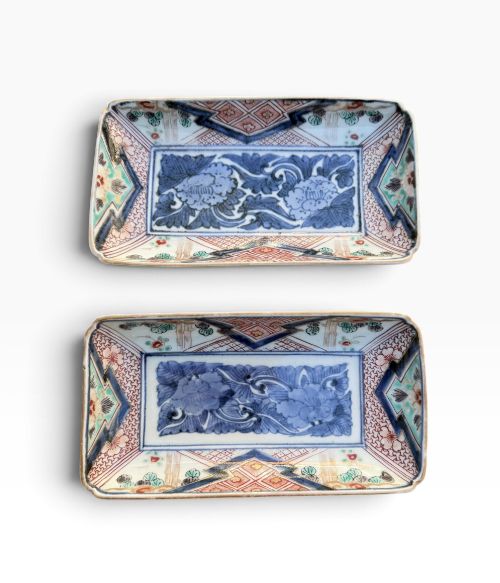
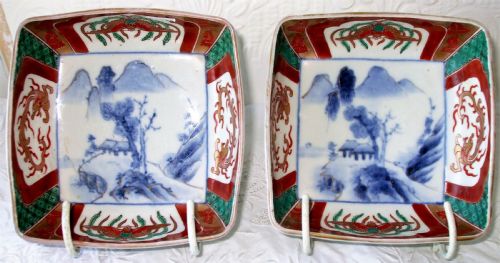
When searching for japanese underglaze blue plates, you encounter porcelain vessels spanning the 17th century through the early 20th century, predominantly originating from Arita kilns.
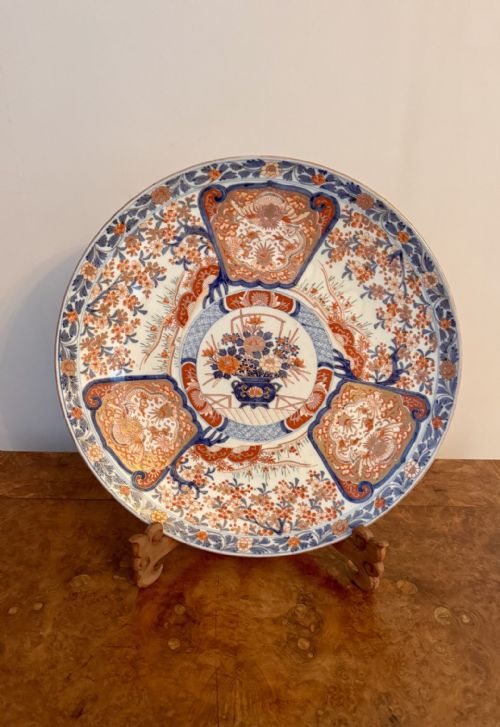
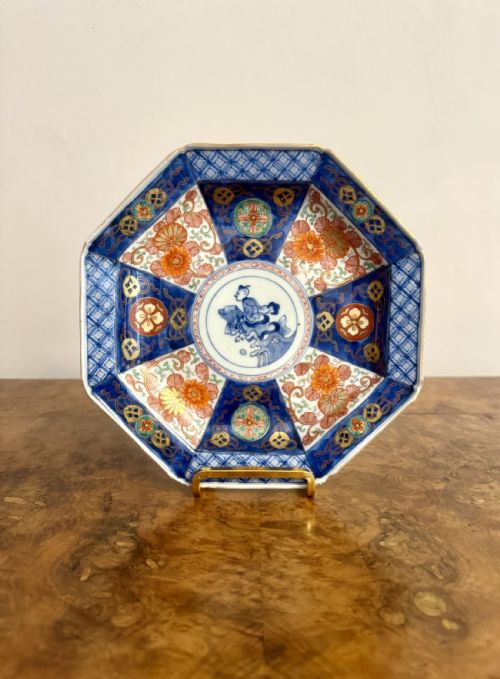
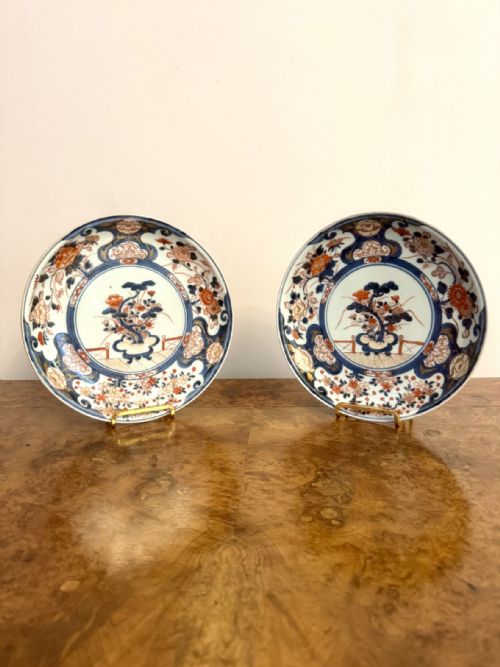
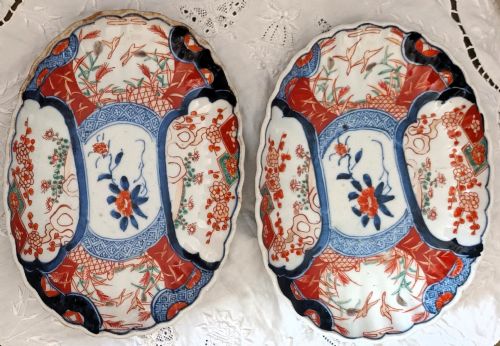
The most common examples on this page date to the Meiji period around 1900, taking the form of round plates, scalloped dishes and large chargers decorated in traditional styles.
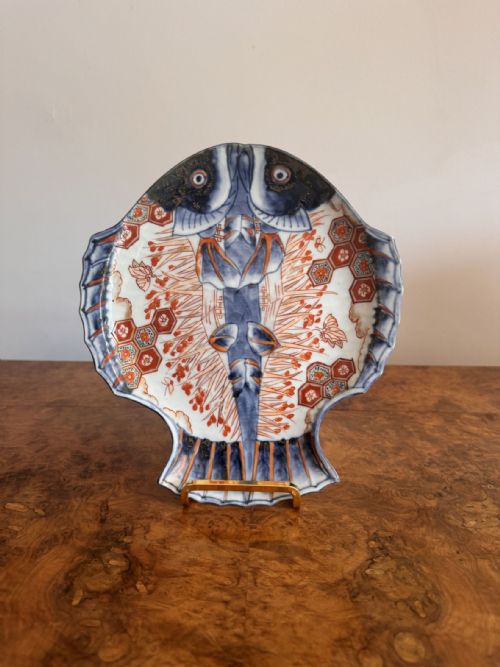
Earlier pieces from the Edo period, including the Genroku era, appear alongside later Meiji productions, showcasing both standard circular forms and unusual shapes like fish and hexagons.
How they were made
Potters shaped porcelain clay into plates and chargers before applying cobalt pigment directly to the unglazed body for underglaze blue decoration.
Many items incorporate additional enamel and gold leaf accents over the clear glaze, particularly in Imari style wares that combine cobalt blue with iron red and gilding.
Fish-shaped plates swim into the record alongside traditional round chargers, proving potters enjoyed playing with their food.
What varies in quality
The distinction between ordinary and superior pieces rests on the precision of the cobalt brushwork and the complexity of the painted motifs, such as koi carp and cranes.
Unusual structural forms, including fish-shaped bodies, hexagonal profiles and scalloped edges, demand greater skill from the potter and separate standard production from exceptional works.
The Japanese Underglaze Blue Plates Glossary
- Imari
- A style of Japanese porcelain decorated in underglaze blue, iron red and gold, originating from Arita kilns during the Edo period. These wares were heavily exported to Europe.
- Arita
- The Japanese town in Hizen province where porcelain production began in the early 17th century. Kilns here produced the majority of blue and white export ceramics.
- Edo Period
- The period in Japanese history spanning from 1603 to 1867, characterised by economic growth and the flourishing of arts including ceramics. Pieces from this era often display refined natural motifs.
- Meiji Period
- The era from 1868 to 1912 marked by the modernisation of Japan and increased production of decorative arts for international markets. Many charger plates on the market date from the later decades of this period.
- Charger
- A large decorative plate intended primarily for display on a wall or sideboard rather than for serving food at the table.
Japanese Underglaze Blue Plates: Frequently Asked Questions
How do I identify a Meiji period plate?
Meiji period plates often date around 1900 and typically exhibit dense, vibrant Imari patterns combining cobalt blue, iron red and gilt highlights. The porcelain bodies tend to be crisp and uniform.
Examining the base and the weight of the ceramic helps distinguish these late 19th and early 20th century items from earlier Edo period productions.
Were these plates used for dining?
While smaller dishes served practical dining functions, large chargers were primarily designed for display in formal settings. Their intricate painted surfaces were meant to be admired on walls or tables.
Heavier chargers feature sturdy construction that accommodates vertical display stands safely without compromising the cobalt glaze.
How do I care for antique porcelain?
Wash antique porcelain gently by hand using mild soap and lukewarm water, avoiding abrasive sponges that might damage the overglaze enamels and gold leaf. Proper manual cleaning preserves the delicate pigments.
Display the plates away from direct sunlight and sudden temperature shifts to protect the ceramic body and any historic surface gilding.
What is the difference between Arita and Imari?
Arita refers to the geographic production centre in Japan where the porcelain clay and kilns were located. Master potters in this region manufactured the raw ceramic bodies.
Imari describes the decorative style applied to many of those Arita-made pieces, characterised by the distinctive palette of underglaze blue combined with red and gold.