


Japanese Tansu Chest
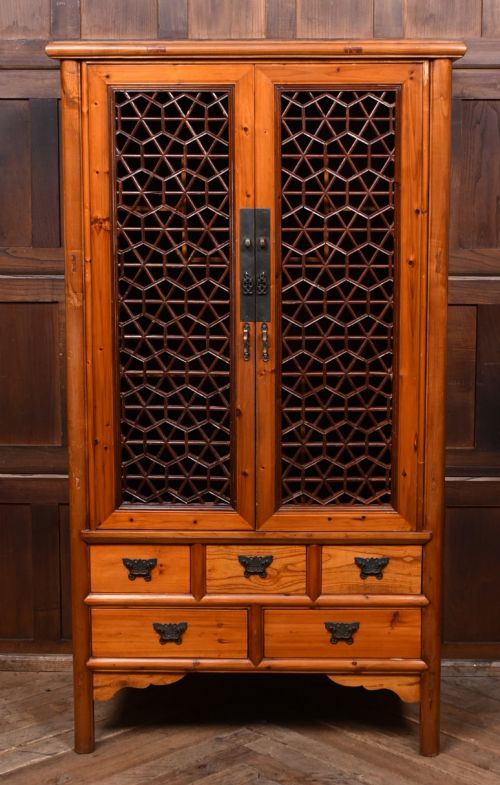
A japanese tansu chest is a traditional storage cabinet built for daily utility, offering modular compartments and striking forged iron hardware.

Japanese Tansu Chest
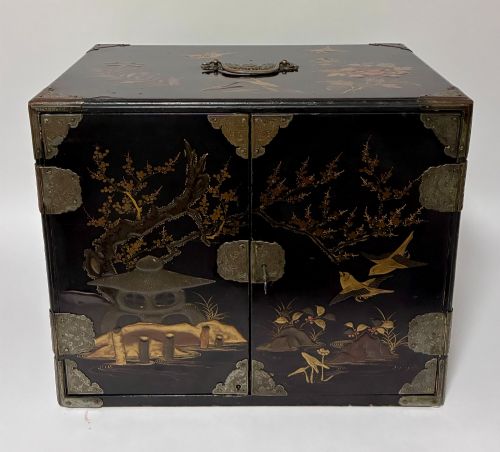
When you search for a japanese tansu chest, you find traditional storage cabinets originating primarily from the nineteenth and early twentieth centuries. These pieces function as versatile chests of drawers and storage cabinets designed for domestic use.
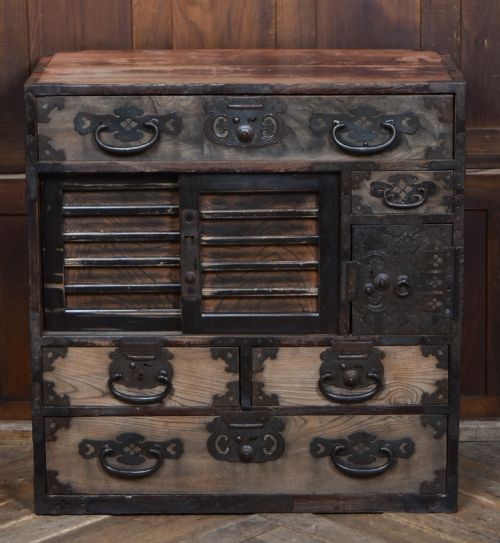
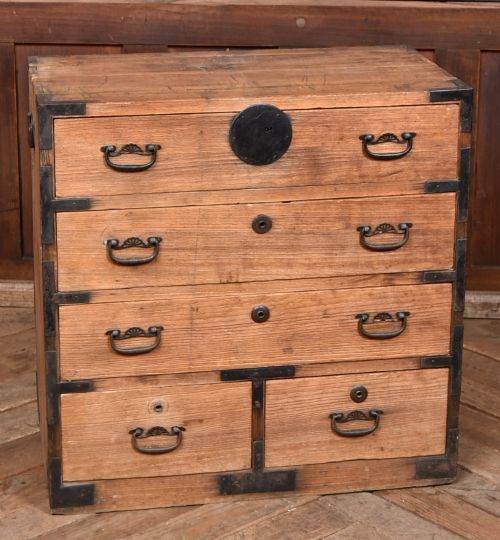
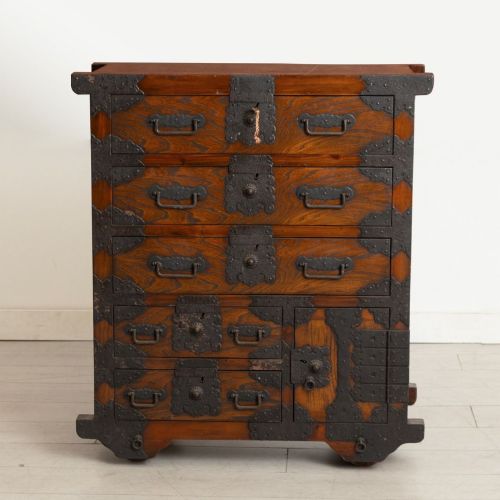
The most common examples on this page date from the nineteenth century, including pieces from the Edo and Meiji periods. They appear in various regional forms such as merchant chests, step chests, and clothing storage cabinets.
Makers utilised distinct woods and heavy metal fittings to create practical furniture that also served as a focal point in traditional Japanese interiors. Each chest reflects the specific storage needs of its original household.

How they were made
These chests rely on a variety of native timbers, including cedar, chestnut, kiri wood, elm, kuri, and keyaki wood. Carpenters selected these specific woods for their grain patterns, durability, and lightweight yet sturdy properties.
Surface finishes range from natural wood treatments to red urushi lacquer and general lacquer applications. Forged iron hardware, including heavy corner braces, plates, and elaborate lock mechanisms, reinforces the wooden structure.
Japanese Tansu Chest Retail Price Guide 2026
Typical asking prices for japanese tansu chest among the pieces listed under this phrase on Sellingantiques today, from the lower quarter to the upper quarter. They describe what is for sale here now, not the wider market.
Some step chests were designed so you could climb up to bed while secretly hiding your snacks inside the bottom stair.
What varies in quality
Quality in a japanese tansu chest rests on the choice of timber and the complexity of the internal configuration. Finer examples utilise dense hardwoods or specialised woods like keyaki and elm alongside delicate kiri wood interiors.
The degree and intricacy of the forged iron hardware separate standard utility pieces from more prestigious examples. Superior craftsmanship shows in the precision of the joinery and the preservation of original lacquer surfaces.

The Japanese Tansu Chest Glossary
- Tansu
- A traditional Japanese mobile chest or cabinet used for storing clothing, valuables, and household goods. These pieces are characterised by their modular construction and robust metal fittings.
- Kiri wood
- Paulownia wood, prized in Japanese cabinet making for its lightweight nature and resistance to fire and dampness. It is frequently used for internal drawers and specialised storage boxes.
- Urushi lacquer
- A natural sap applied in multiple layers to wooden surfaces to create a durable, glossy finish. This traditional technique provides waterproof protection while adding deep colour.
- Choba tansu
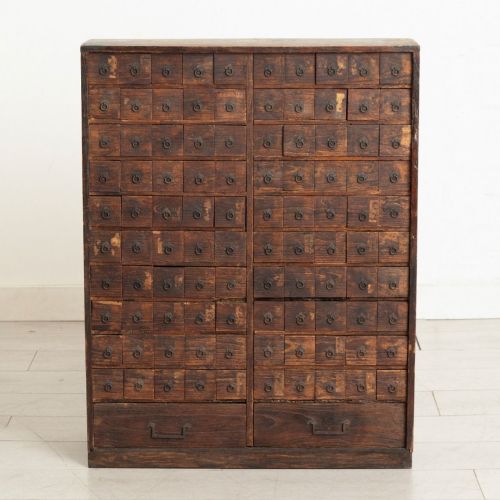
- A merchant chest traditionally used in shops and offices for ledger books and monetary storage. These pieces feature numerous small drawers and secure compartments.
- Kaidan tansu
- A step chest built in a staircase configuration to provide access to upper floors while incorporating concealed storage drawers within the steps.
Japanese Tansu Chest: Frequently Asked Questions
What is a tansu chest used for?
These chests were originally built for storing personal belongings, clothing, merchant ledgers, and household goods in traditional Japanese homes. Their modular design allowed families to transport their valuables easily.
Today, they function as distinct storage cabinets and decorative furniture pieces in modern interiors. They provide practical drawer space while serving as sculptural focal points in a room.
How do I identify a Meiji period tansu?
Meiji period pieces often display specific combinations of traditional woods and elaborate forged iron hardware. The styles reflect the transition and opening of Japanese craftsmanship during the late nineteenth and early twentieth centuries.
Examining the construction methods and the wear on the cedar, elm, or keyaki wood helps determine the age. Original lacquer finishes and heavy iron mounts offer further clues to the period.
Are all tansu chests made from the same wood?
Carpenters utilised a wide range of regional timbers depending on availability and the intended function of the chest. Common materials include cedar, chestnut, elm, kuri, keyaki, and lightweight kiri wood.
Different woods were frequently combined within a single piece, using sturdier timbers for the exterior frame and lighter woods like kiri for internal drawers to ensure smooth operation.
What makes a step chest different?
A step chest, known as a kaidan tansu, is built in an angled staircase shape designed to fit against a wall or lead to a loft. The steps themselves contain hidden compartments and drawers.
This dual purpose maximised space in compact traditional Japanese dwellings by combining a staircase with essential domestic storage. They remain some of the most recognisable and sought-after tansu forms.