





Japanese Samurai Sword
A japanese samurai sword carries centuries of steel, lacquered wood, and military history into your hands.
Japanese Samurai Sword
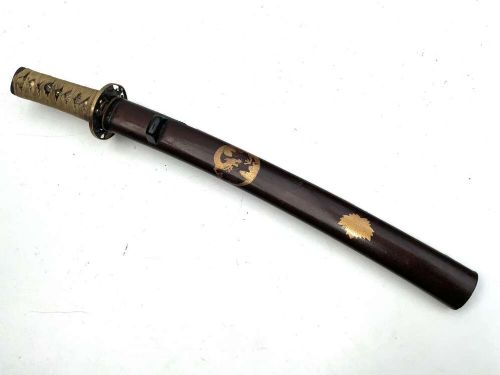
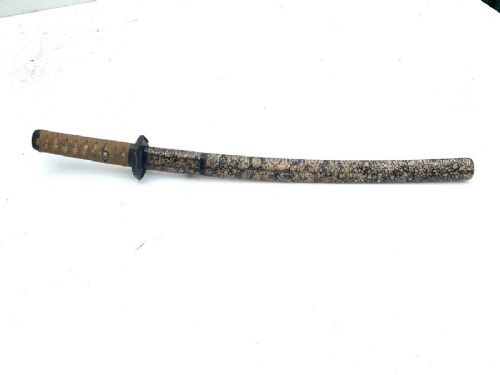
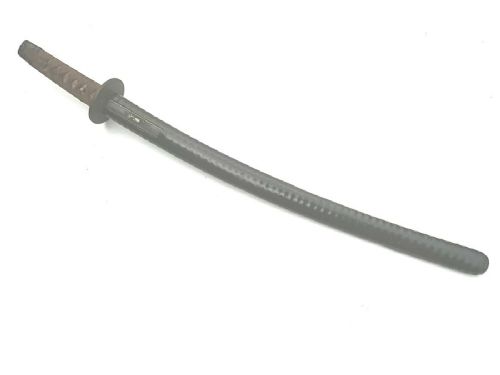
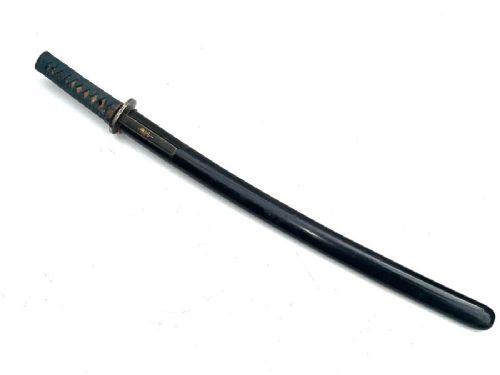
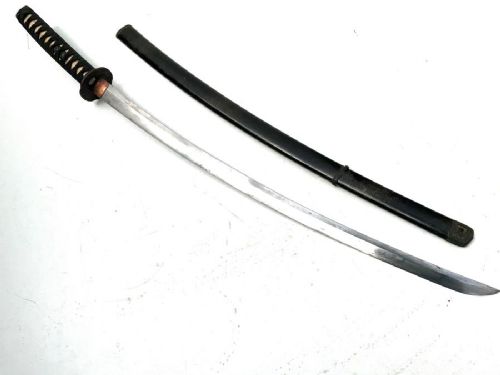
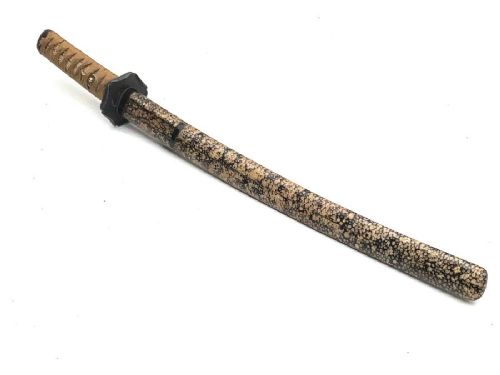
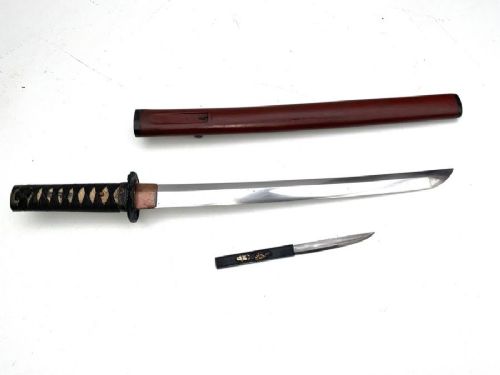
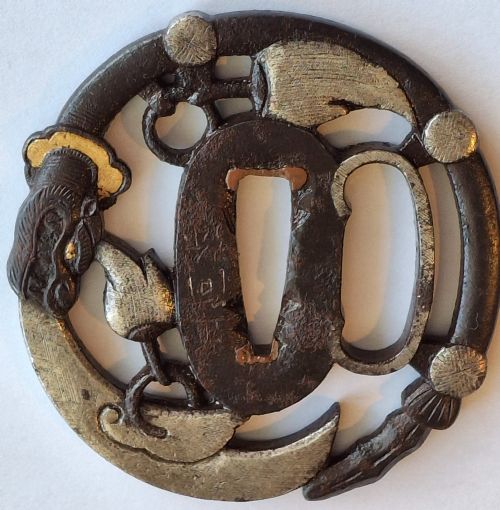
A japanese samurai sword encompasses formidable edged weapons, from long tachi and katana to shorter wakizashi blades. You will find complete antique swords alongside individual fittings like tsuba guards.
The selections span distinct eras, reaching from pre-sixteenth century koto blades through the Edo period up to mid-twentieth century military contexts. Each object reflects the changing demands of its historical period.
Surviving examples showcase the traditional forms that equipped warriors across generations of Japanese feudal history. These pieces range from martial field weapons to refined Edo period mountings.
How they were made
Makers shaped hard steel for the blades, pairing them with iron, bronze, and copper for guards and fittings. Artisans employed detailed metalwork techniques such as copper inlay, silver overlay, and high relief carving.
Handles and scabbards incorporate organic materials like wood, lacquered wood, ray skin, and silk wrap. These natural elements provided both functional grip and decorative finish to the completed sword assemblies.
Japanese Samurai Sword Retail Price Guide 2026
Typical asking prices for japanese samurai sword among the pieces listed under this phrase on Sellingantiques today, from the lower quarter to the upper quarter. They describe what is for sale here now, not the wider market.
Guard your tea table with a fierce bronze heron standing quietly in place of a traditional warrior.
What varies in quality
The sophistication of the metalwork distinguishes standard iron guards from elaborate pieces featuring intricate folklore scenes and precious metal overlays. Signatures from master smiths and metalworkers elevate the significance of individual blades and tsuba.
The preservation of original components, from the rayskin wrap to the lacquered wood scabbard, dictates the integrity of the piece. Craftsmanship in the blade forging and sculptural relief work sets exceptional examples apart.
The Japanese Samurai Sword Glossary
- Katana
- A traditional long Japanese sword designed for cutting, worn edge-up by samurai. These bladed weapons formed the primary battlefield equipment for warriors.
- Wakizashi
- A traditional Japanese short sword often paired with a katana as part of the samurai warrior class daisho. These shorter blades served for close quarters combat.
- Tsuba
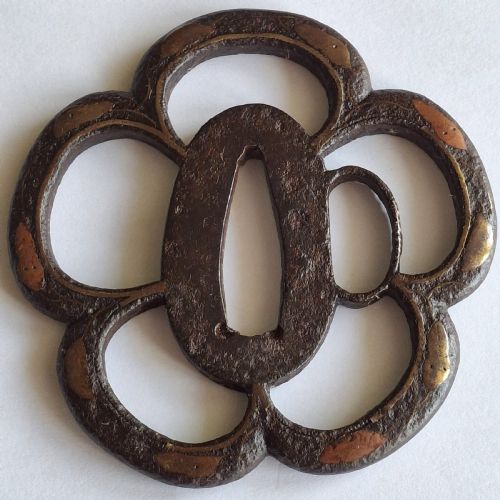
- The protective guard situated between the grip and blade of a Japanese sword. These metal plates often display elaborate carving, inlay, and signature work.
- Tachi
- An early style of Japanese sword worn suspended from the waist with the edge facing downward. This form predates the standard katana.
- Koto
- A term denoting swords forged during the old sword period prior to the sixteenth century. These historical blades are prized for their ancient lineage.
Japanese Samurai Sword: Frequently Asked Questions
How do I care for an antique sword?
Keep the steel lightly oiled to prevent oxidation and store the weapon in a stable environment away from excess moisture. Handle the blade with care to preserve the original metal finish.
Avoid touching the bare steel directly with your skin, as natural oils can damage the surface over time. Display or store the piece securely to protect both the blade and its mountings.
What is the difference between a katana and a wakizashi?
A katana is a longer sword designed as the primary weapon, whereas a wakizashi is a shorter companion blade. Samurai wore both together as a matched set during the Edo period.
The shorter length of the wakizashi made it suitable for indoor use and close quarters fighting where a full-length katana was impractical.
What is a tsuba guard?
A tsuba is the circular or shaped metal plate mounted on a Japanese sword to protect the user's hand from sliding onto the blade. These guards served a vital defensive function in combat.
Beyond utility, tsuba functioned as canvases for metal artisans, featuring copper inlay, dragon motifs, and high relief carvings that demonstrated exceptional craftsmanship.
How are sword periods determined?
Experts date Japanese swords by examining the forging characteristics of the steel, the signature of the maker, and the style of the mountings. Historical context and construction methods provide key clues.
Pre-sixteenth century koto blades show different manufacturing traits compared to later Edo period or twentieth century military pieces.