
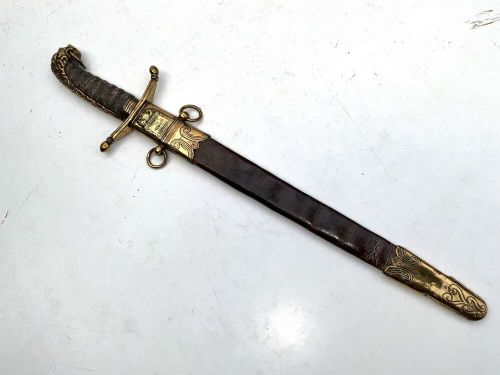
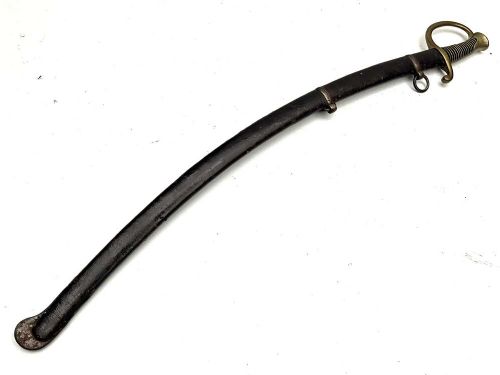
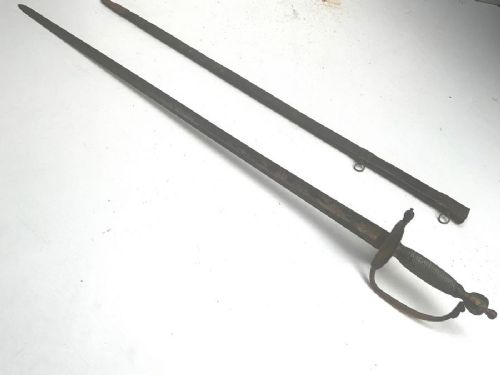
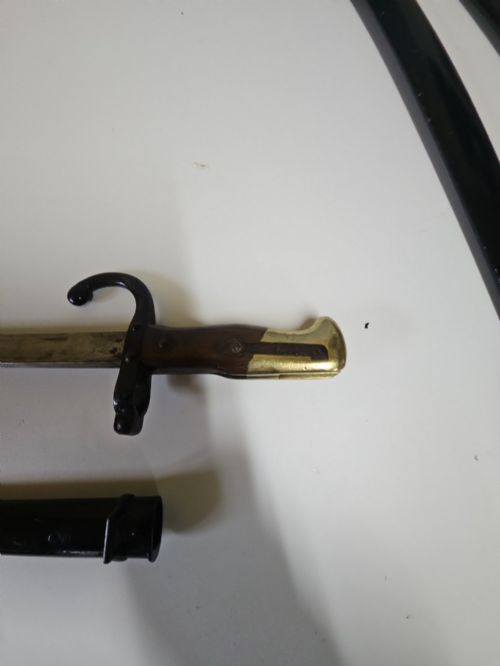
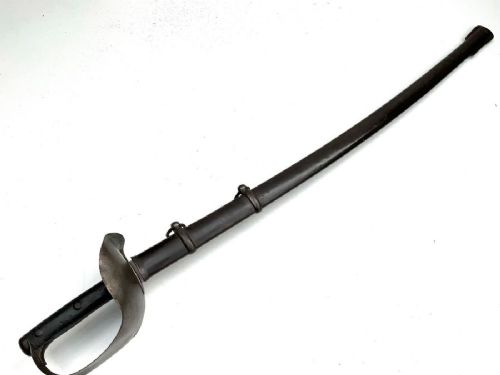
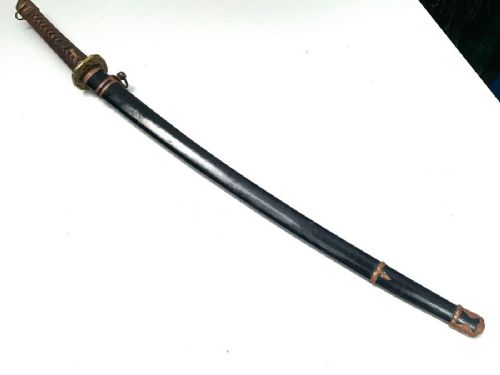
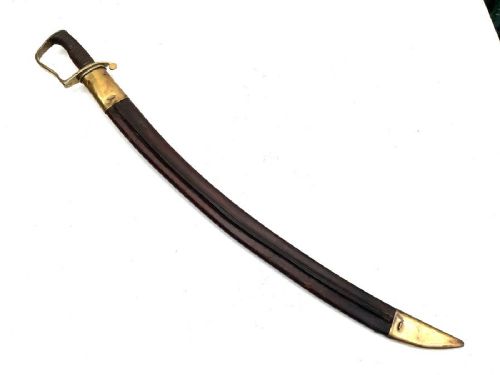


Military Edge Weapon
These military edge weapon examples range from Victorian sabres to World War Two swords, offering collectors tangible pieces of martial history.
Military Edge Weapon
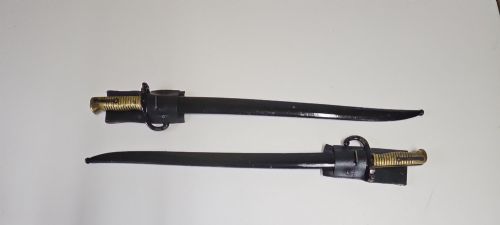
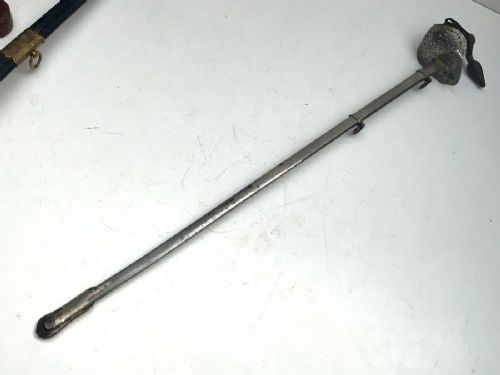
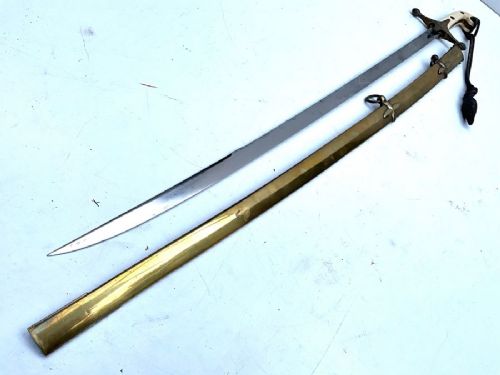
When you search for a military edge weapon, you encounter swords, sabres, daggers, knives and bayonets spanning multiple centuries. The selection encompasses British, French, German, American, Japanese and Nepalese forms.
You are most likely to meet Victorian and 19th century sabres alongside 20th century military swords and bayonets on this page. These items reflect infantry, cavalry and naval service across various global conflicts.
What varies in quality
Quality rests in the preservation of the steel blade, the tightness of the hilt assembly and the original condition of grips and scabbards. Maker marks and regimental details elevate specific examples.
Standard issue trooper pieces differ from officer-grade customisations, where finer materials and specialised etching distinguish the manufacturing standard.
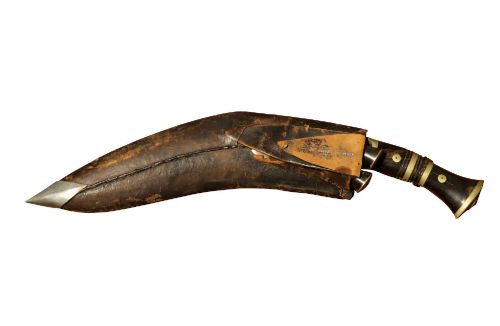
Gurkha kukri listings thoughtfully include their original scabbards and two traditional companion knives for everyday utility tasks.
The Military Edge Weapon Glossary
- Spadroon
- A lightweight sword with a straight single or double-edged blade popular with British officers.
- Mameluke
- A curved sword style adopted by general officers, inspired by Middle Eastern sabres.
- Bayonet
- A blade designed to fit to the muzzle end of a rifle for close combat.
- Kukri
- A Nepalese knife with a distinct inward-curving blade used as a combat and utility weapon.
- Scabbard
- A protective sheath for a sword, dagger or bayonet constructed from leather, steel or brass.
Military Edge Weapon: Frequently Asked Questions
How do I identify a Victorian sword?
Victorian swords typically date between 1837 and 1901, often bearing cipher stamps, proof marks and regulation patterns issued by the British War Office.
Examine the blade etchings, hilt design and spine markings for clues to the exact manufacturing decade and military branch.
Were these swords used in combat?
Many examples saw active service in campaigns ranging from the Napoleonic Wars to the Second World War, depending on their date and pattern.
Officer weapons were privately purchased and carried on campaign, while trooper sabres and bayonets were mass-issued ordnance.
How should I clean a steel blade?
Historic blades require minimal intervention to preserve their patina, metal finish and historical integrity.
Apply a light microcrystalline wax or specialist oil to clean steel surfaces and prevent active rust without removing original age marks.