




Antique Military Bayonets
Antique military bayonets are edged weapons built for close combat, prized by collectors for their martial history and tactile engineering.
Antique Military Bayonets
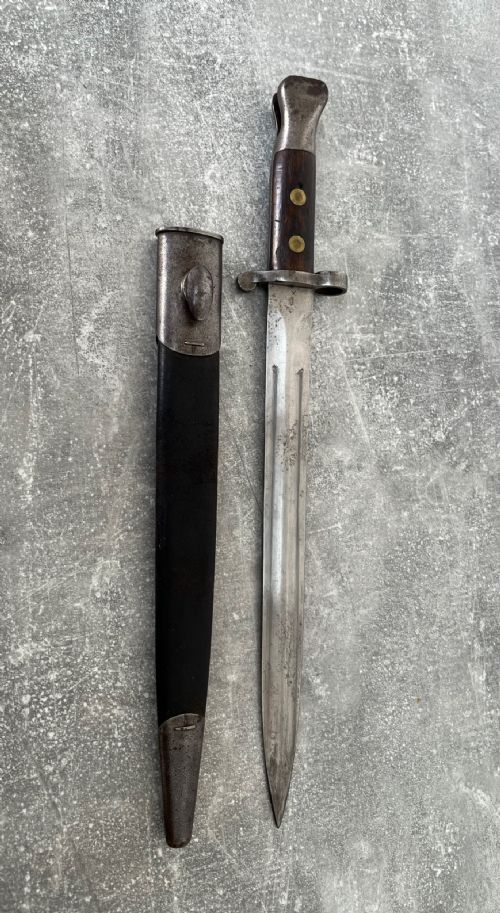
When you search for antique military bayonets, you encounter edged weapons designed to attach to rifles or muskets, alongside associated militaria from the eighteenth and nineteenth centuries. The listings span Victorian, Georgian, and nineteenth century eras, reflecting both standard issue infantry equipment and private purchase sidearms.
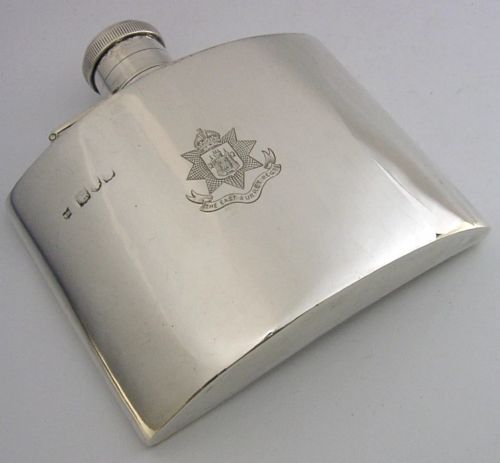
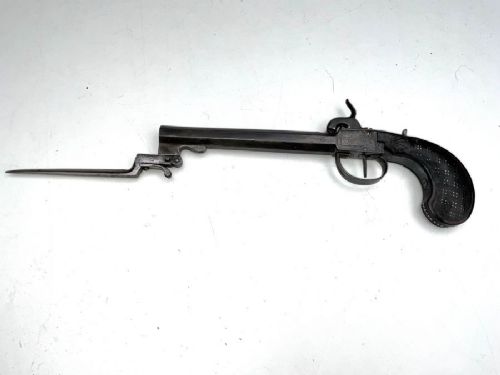
You meet various configurations on this page, including socket bayonets, sword bayonets, and foldaway mechanisms fitted to pistols or blunderbusses. Alongside primary edged weapons, the selection incorporates trench art and regimental silver items tied to military campaigns.
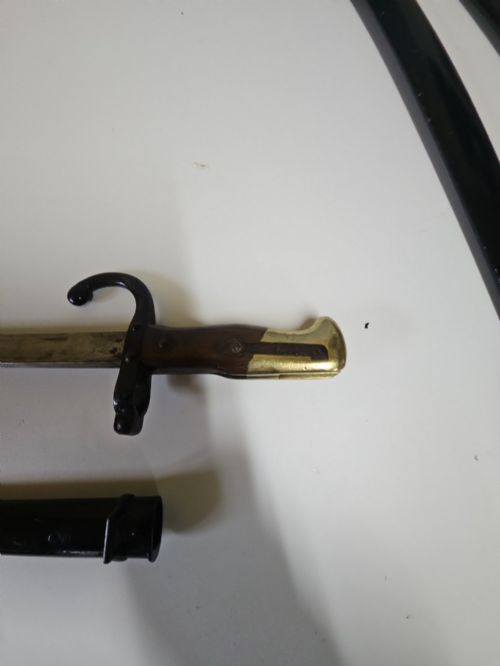
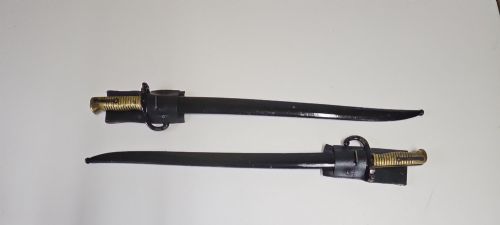
The origin of these pieces ranges across British and French military contexts, covering items dated from the seventeen-hundreds through to eighteen-ninety-nine. Collectors encounter distinct patterns, such as the Lee-Metford and eighteen-eighty-eight pattern sword bayonets, alongside socket types paired with percussion carbines.
How they were made
The construction of antique military bayonets relies heavily on forged steel for blades and sockets, combined with brass mounts and wooden grips made from walnut and hardwood. Makers integrated these rigid materials to withstand the physical demands of service use.
Hilted and foldaway variants frequently incorporate leather for scabbards and iron for internal spring mechanisms. Secondary pieces in the category demonstrate smithing and metalworking skills applied to sterling silver and recycled brass shell cases.
A soldier sitting in a damp trench with empty shell cases and a handful of basic tools managed to fashion polished brass candlesticks.
What varies in quality
The distinction between standard examples and superior specimens rests on the crispness of maker marks, regimental stamps, and matching numbers across the blade and scabbard. Depth of metal preservation and the original finish of the steel dictate the overall integrity of the piece.
Superior items retain the original patination of their wooden grips and leather fittings without aggressive cleaning or modern replacement parts. The complexity of the mechanism, such as a functional sprung bayonet action on a flintlock blunderbuss, elevates the mechanical interest.
The Antique Military Bayonets Glossary
- Socket bayonet
- A triangular or cruciform blade offset from a tubular metal sleeve that slips over the muzzle of a firearm. This design allowed the soldier to load and fire the musket while the bayonet remained fixed.
- Sword bayonet
- A long blade resembling a shortsword, designed to be mounted to the side of a rifle barrel and used independently as a sidearm when detached. These typically feature grips made of wood or checkered leather.
- Flintlock
- An ignition mechanism used on firearms prior to the percussion cap era, where a piece of flint strikes a steel frizzen to create sparks for the gunpowder charge.
- Percussion
- A firearms ignition system utilising a small explosive cap struck by a hammer to ignite the main charge, superseding the earlier flintlock method during the nineteenth century.
Antique Military Bayonets: Frequently Asked Questions
What is a socket bayonet?
A socket bayonet is an eighteenth or nineteenth century blade featuring a hollow metal tube that fits over the muzzle of a musket. This allowed the soldier to shoot the firearm without removing the attached blade.
The design kept the barrel unobstructed, maintaining the tactical utility of the infantry weapon during close combat engagements.
How do I date an antique bayonet?
Dating relies on inspecting inspection stamps, regimental markings, and specific pattern designations stamped onto the ricasso or metal mount. Victorian and nineteenth century pieces often carry clear dates or royal cyphers.
Changes in blade profile, locking rings, and muzzle ring diameters also indicate the precise military era and rifle model the piece accompanied.
What is trench art?
Trench art comprises items made by soldiers and combatants from discarded military materials like brass shell cases and copper driving bands. Candlesticks and hip flasks frequently emerge from this creative wartime practice.
These objects reflect the resourcefulness and downtime of troops stationed in camps or trenches during conflicts such as the Boer War.
Are bayonets and firearms sold together?
Some listings combine antique firearms, such as percussion belt pistols and flintlock blunderbusses, with integral foldaway or socket bayonets. These represent unified service arms built to serve dual defensive functions.
Other listings offer bayonets entirely separate from any firearm, intended for standalone display or collection within militaria categories.