




Antique Tsuba Sword
These antique tsuba sword and sword guard items are functional Japanese edged weapon fittings designed to protect the hand, offering collectors intricate metalwork and historic craftsmanship.
Antique Tsuba Sword
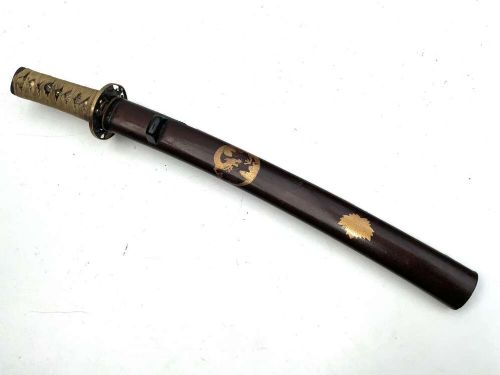
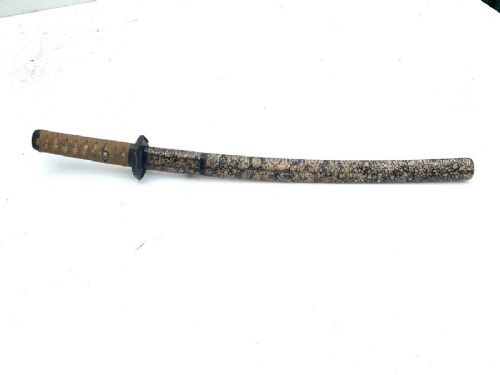
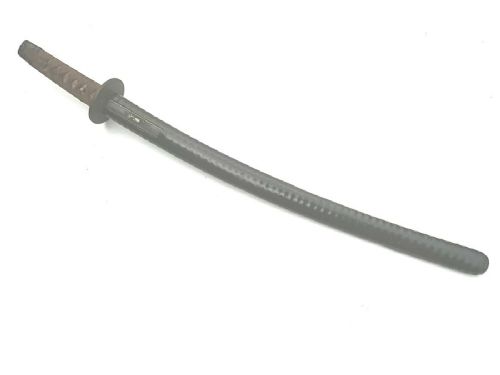
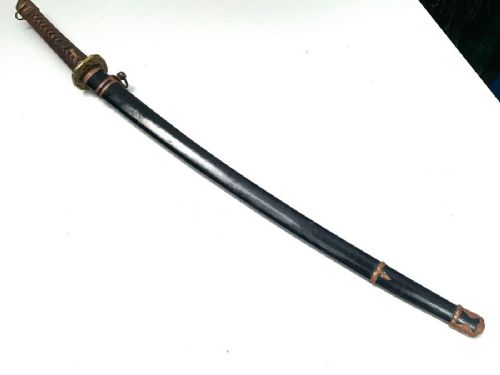
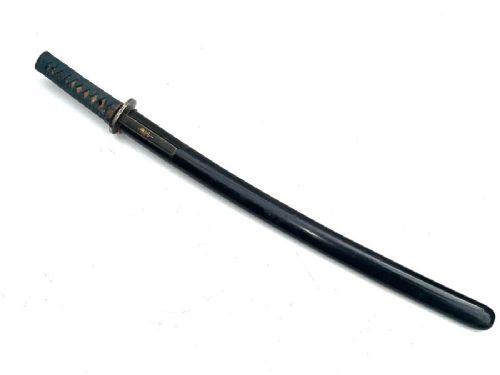
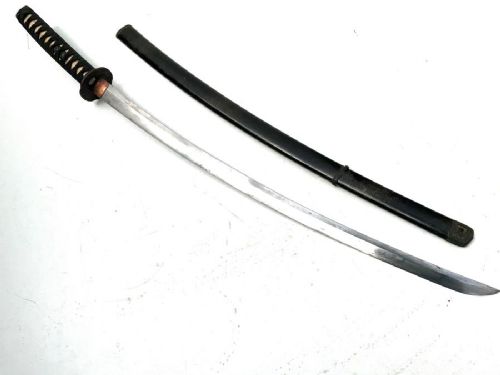
When you search for antique tsuba sword pieces, you encounter a specialised selection of Japanese edged weapons and protective guards spanning multiple centuries. The listings encompass complete swords such as the wakizashi, tachi, and katana alongside standalone iron and bronze sword guards.
The material record on this page ranges from pre-sixteenth century examples up to military pieces from the Showa period. Buyers will find both mounted short swords and individual guards featuring detailed metal inlay work.
These items originate from distinct eras of Japanese history, including the Muromachi, Edo, Meiji, and Showa periods. The selection balances functional military equipment with decorative martial arts fittings.
Materials and construction
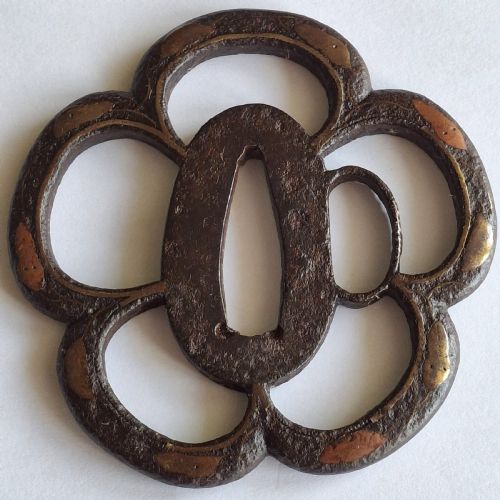
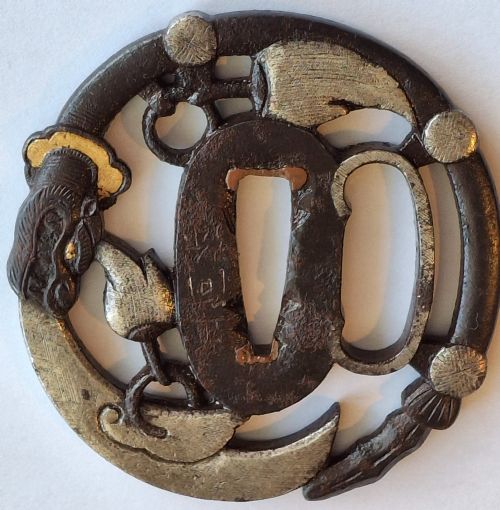
The construction relies heavily on forged steel and cast iron for the core blades and guards, providing durable martial strength. Artisans then integrated secondary metals such as copper, bronze, and silver to create contrasting surface details and highlights.
Organic and protective materials complete many of the mountings, utilising wood, lacquer, and ray skin or rayskin for grips and scabbards. Surface decoration ranges from hammered iron finishes to cloisonné enamel and high relief sculptural casting.
Guard designs include legendary polearms of ancient generals and folklore scenes rendered in minute metal detail.
Assessing quality in Japanese sword fittings
Quality in these items is determined by the precision of the metalwork, the depth of relief casting, and the refinement of any inlay work. Pieces featuring signed metalsmith details or sophisticated copper and silver overlays generally demonstrate superior artisan execution.
The preservation of original organic elements like lacquer and ray skin significantly impacts the overall integrity of a mounting. Finer examples display harmonious balance between the functional requirements of a sword guard and detailed artistic expression.
The Antique Tsuba Sword Glossary
- Tsuba
- The traditional Japanese sword guard positioned between the handgrip and the blade. It protects the hand during combat and balances the weapon.
- Wakizashi
- A traditional Japanese short sword carried by samurai warriors. It was often paired with a longer katana as a matching set.
- Katana
- A long, single-edged Japanese sword used by the samurai class. It is characterised by its distinctive curved profile.
- Tachi
- An early style of Japanese sword that is longer than the katana and traditionally worn suspended edge-down from the waist.
- Edo Period
- A significant era in Japanese history lasting from seventeen fifty to eighteen sixty-eight. This period produced a large proportion of surviving decorative metalwork and sword guards.
Antique Tsuba Sword: Frequently Asked Questions
How do I care for iron tsuba guards?
Iron sword guards require a stable environment with low humidity to prevent rust and corrosion. Light application of appropriate conservation oil helps maintain the metal surface.
Avoid abrasive cleaning methods that might damage patinas, inlays, or historical tool marks left by the original maker.
What is the difference between a wakizashi and a katana?
A katana is a long samurai sword designed for primary combat, whereas a wakizashi is a shorter companion blade. Samurai wore both swords together as a symbol of their social status.
The shorter wakizashi was frequently worn indoors and used for close-quarters defence.
How can I tell the period of a sword guard?
Dating relies on stylistic shifts in metallurgy, craftsmanship techniques, and the specific motifs used in the design. Earlier pieces often prioritise stark functional utility, while later Edo and Meiji examples showcase elaborate decorative inlay.
Signatures or marks left by metalworkers can also provide direct attribution to specific eras or smithing schools.