


Antique Japanese Blade
These antique japanese blade items are edged weapons of steel and iron from periods spanning the pre 16th century to the 20th century.
Antique Japanese Blade
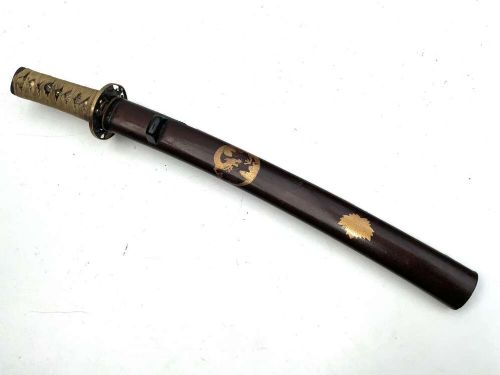
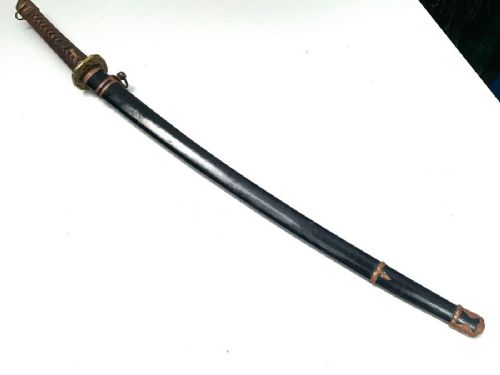
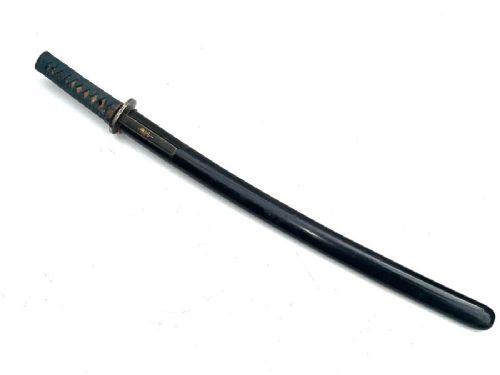
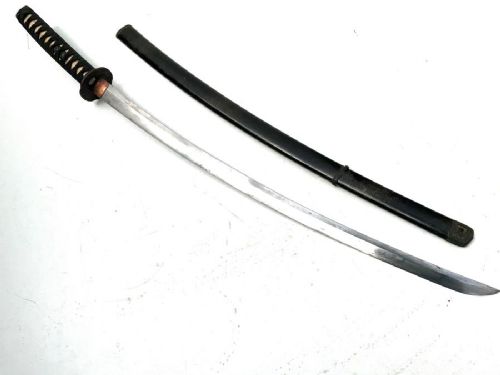
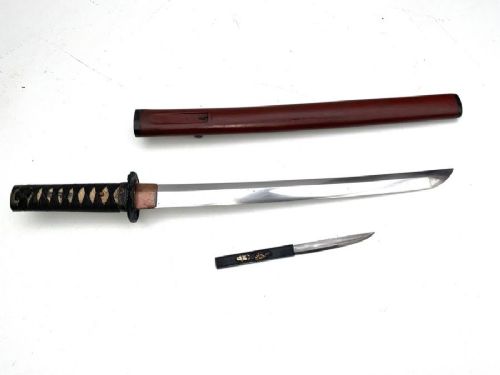
An antique japanese blade encompasses swords and edged weapons spanning centuries of history from pre 16th century examples to Showa period military pieces. Buyers examining this category encounter forms ranging from early koto blades and tachi to later wakizashi and Meiji period knives.
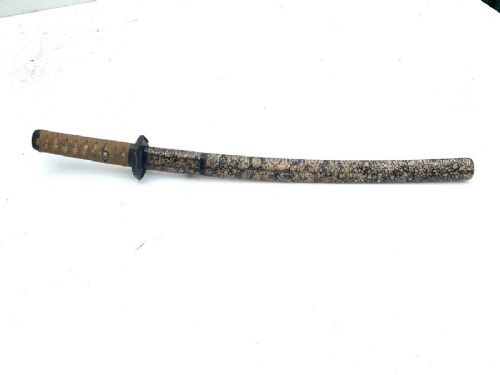
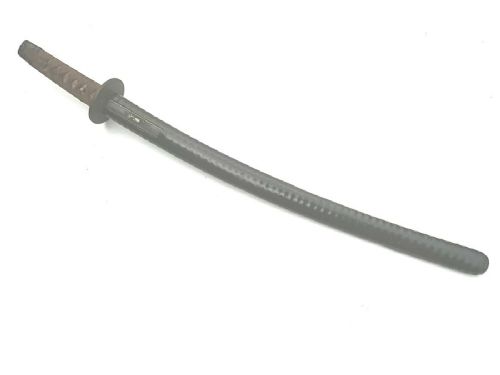
The selection includes samurai swords and decorative knives housed in various mounts of wood, lacquer, ray skin, and iron. Pieces emerge from distinct eras such as the Edo period and the Meiji period, reflecting changing military and cultural uses.
Materials and construction
The primary material is steel, forged into functional and decorative blades often paired with iron and brass fittings. Makers utilised traditional methods to shape these edged weapons across centuries of metalworking.
Mountings and scabbards incorporate wood, lacquered wood, and ray skin or rayskin for grip and protection. These organic and metallic materials combine to complete the structure of each samurai sword.
Listings feature steel and iron blades housed in ray skin, lacquer, and wood across multiple centuries.
Assessing quality and character
Quality separates through the execution of the forged steel and the preservation of the blade over centuries of time. Early koto pieces carry different historical weight compared to later Meiji period knives or military swords.
The craftsmanship visible in carved elements, signed inscriptions, and the condition of mountings like lacquer and ray skin define the standing of individual examples.
The Antique Japanese Blade Glossary
- Wakizashi
- A traditional Japanese short sword carried by samurai, frequently seen in Edo period mountings. This blade served as a companion to the longer katana.
- Tachi
- An early style of Japanese sword worn suspended from the waist with the edge facing down. These pieces often date to earlier centuries.
- Katana
- A traditional long Japanese sword designed for cutting, associated with the samurai class. Signed examples appear alongside military variations.
- Ray skin
- The skin of stingrays or sharks used to wrap sword handles for a secure grip. It is frequently seen beneath braided cords on samurai sword mountings.
Antique Japanese Blade: Frequently Asked Questions
What is an antique japanese blade?
An antique japanese blade is a historical edged weapon forged in steel, encompassing swords, wakizashi, tachi, and knives from various periods.
These pieces reflect centuries of Japanese metalworking and samurai culture, ranging from early koto works to Meiji period examples.
How do I identify periods?
Periods are identified through the style of the steel, the form of the weapon, and associated mountings from eras like the Edo period or Meiji period.
Historical markers and signatures on the blade further assist in determining the age of the piece.
What materials were used?
Blades are constructed primarily from forged steel, while fittings often incorporate iron and brass.
Mountings utilise wood, lacquered wood, and ray skin to complete the handles and scabbards.
How were these weapons used?
These edged weapons served as functional sidearms for samurai in feudal Japan and later as military swords during periods like World War II.
Some pieces also functioned as decorative knives or status items.
How should I display them?
Displaying an antique japanese blade requires stable indoor conditions away from excessive moisture to protect the steel and organic mountings.
Proper stands support the weight of the sword and allow the mountings and blade to be viewed safely.