








Japanese Porcelain Wall Display
These Japanese porcelain wall display pieces bring vibrant palettes and intricate hand-painted detail to any room.
Japanese Porcelain Wall Display
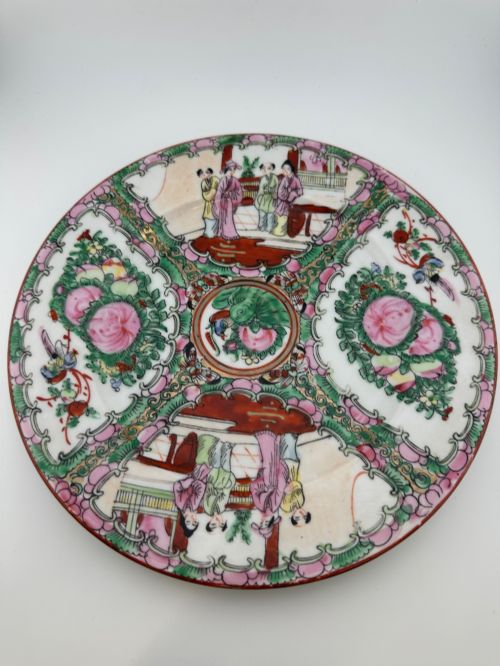
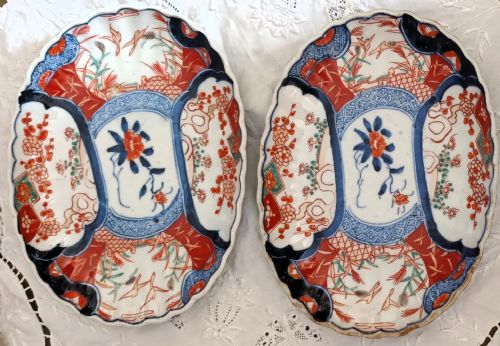
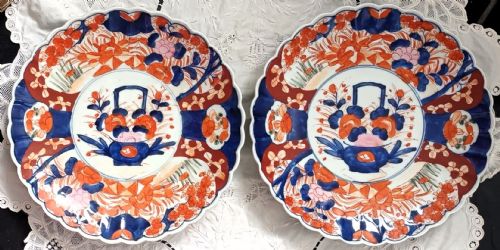
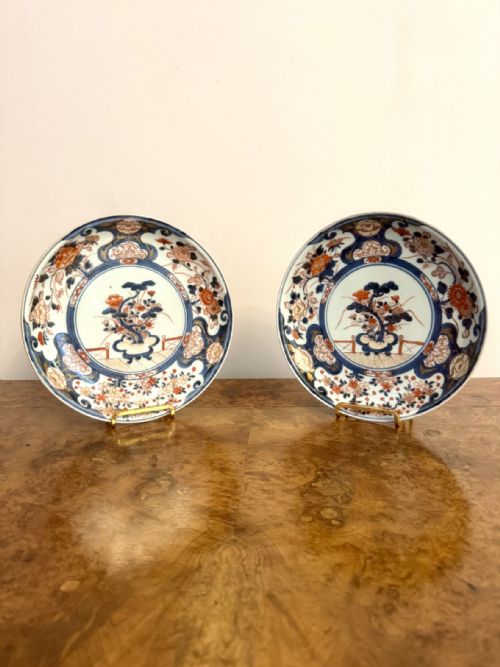
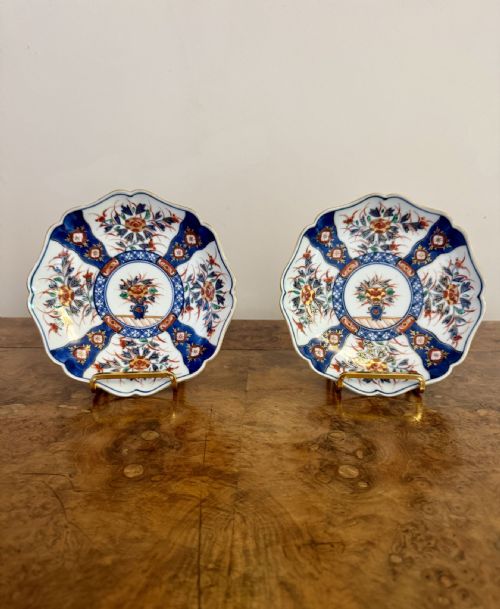
When you search for japanese porcelain wall display, you encounter decorative plates, chargers, and dishes primarily originating from the Meiji period and the nineteenth century. These forms were designed specifically to hang on walls or sit within cabinets, bringing traditional motifs into Western and Eastern interiors alike.
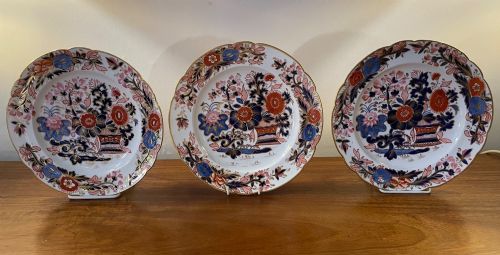
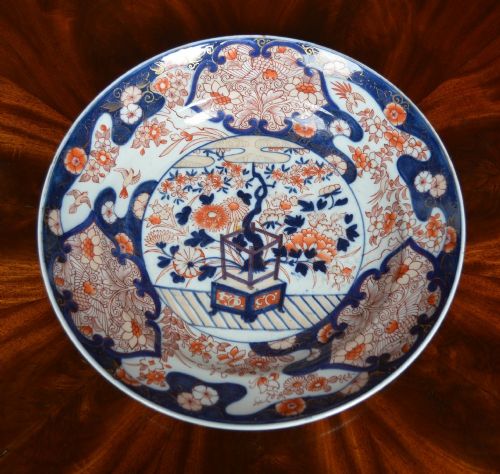
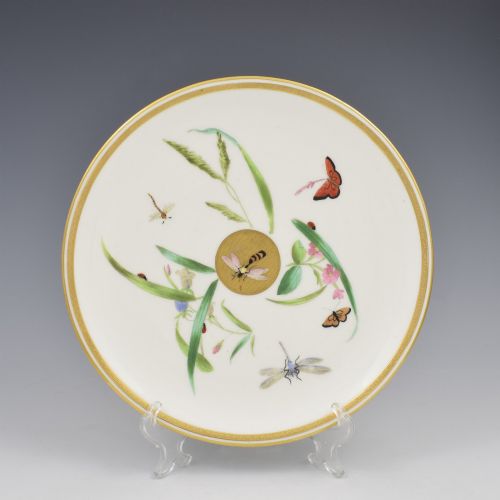
The selections span traditional Imari patterns, Arita wares, Kutani pieces, and Satsuma dishes. You also find European interpretations, such as Staffordshire and Minton dessert plates adopting the Imari palette and Japanese aesthetic styles.
Most examples date from the late nineteenth and early twentieth centuries, encompassing the Victorian era through the Taisho period. The forms range from standard circular plates to large chargers and unusual square shapes with scalloped edges.
How they were made
The makers utilised porcelain, ceramic, and earthenware bodies as the foundation for these works, shaping them into plates and chargers. Artisans then applied underglaze blue and overglaze enamel pigments by hand, frequently incorporating gold leaf, gilt, and gold gilt highlights.
Specialised techniques include Totai Shippo, where enamel is applied to porcelain in imitation of cloisonné tree bark. Glaze formulations varied to produce the deep blues, iron reds, and white expanses characteristic of Imari and associated traditions.
Several plates depict the Seven Lucky Gods sharing space with exotic birds, ensuring your wall display comes heavily reinforced with divine favour.
What varies in quality
The precision and detail of the hand painting separate standard production wares from finer examples. Superior pieces display crisp brushwork, particularly in complex depictions of motifs such as the Seven Lucky Gods or exotic birds.
The richness of the gilding and the depth of the enamel colours contribute significantly to the visual weight of the charger or plate. Form also plays a part, with square shapes and scalloped edges demanding greater skill from the potter and decorator.
Koshida
The Japanese Porcelain Wall Display Glossary
- Charger
- A large decorative plate intended primarily for display on a wall or dresser rather than for dining. These substantial pieces often feature the most complex hand-painted scenes in a collection.
- Imari
- A style of Japanese porcelain exported from the port of Arita, traditionally characterised by a palette of underglaze blue, iron red, and gold. This aesthetic heavily influenced both Japanese production and European potteries.
- Meiji Period
- The era in Japanese history lasting from 1868 to 1912, corresponding with a major surge in the production and export of decorative arts to the West. Pieces from this time frequently combine traditional motifs with refined hand-painted techniques.
- Totai Shippo
- A technique involving enamel applied over a porcelain or ceramic body to emulate the appearance of cloisonné metalwork. It produces a textured, tactile surface across the plate.
- Satsuma
- A type of Japanese earthenware featuring a crackled ivory glaze decorated with polychrome enamels and gilt. These pieces are often associated with delicate, intricate figural or floral compositions.
Japanese Porcelain Wall Display: Frequently Asked Questions
How do I hang a heavy charger safely?
Large chargers require robust, spring-loaded brass wall hangers that distribute the weight evenly across the rim. Ensure the fixing is secured directly into wall studs or uses appropriate masonry plugs.
Avoid wire fixings that rely on adhesive discs attached to the unglazed foot ring. Inspect the hanger periodically to ensure the tension remains secure.
Were these plates meant for daily dining?
These pieces were created primarily as decorative items for display in cabinets or mounted on walls. The inclusion of delicate gold leaf and overglaze enamels meant they were unsuited for regular use at the table.
Many larger examples, such as chargers, lack the stable flat base required for practical dining service. Their purpose was purely visual celebration of craft and motif.
How do I distinguish Meiji pieces from earlier Edo ones?
Meiji period porcelain often exhibits a brighter, more commercially driven palette with heavier gilding developed for export markets. Edo examples tend to show slightly more restrained brushwork and iron red tones.
Markings, where present, can also offer clues, though many export pieces left the potteries unsigned. Comparing the density of the porcelain and the style of the hand painting remains the most reliable guide.