


Japanese Porcelain Ornament
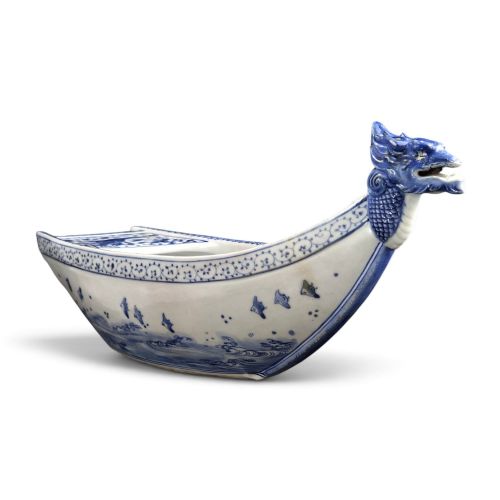
These japanese porcelain ornament pieces bring figural and decorative ceramics from late Edo, Meiji, and Taisho periods directly into modern interiors.
Japanese Porcelain Ornament
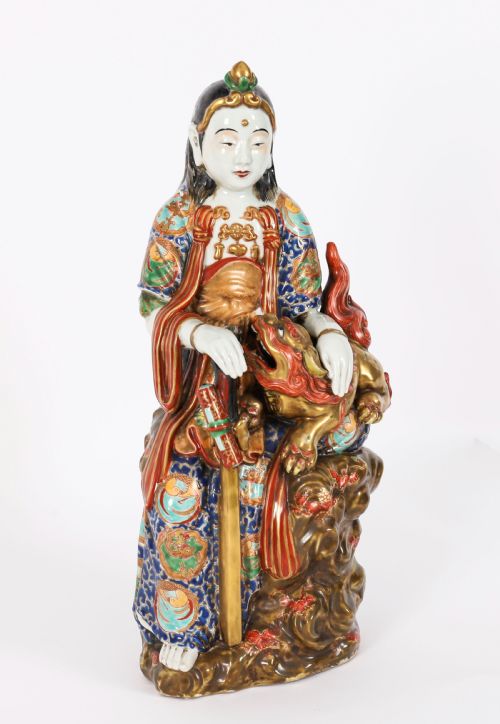
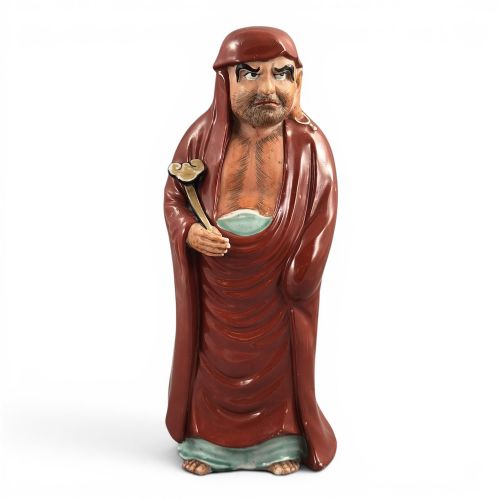
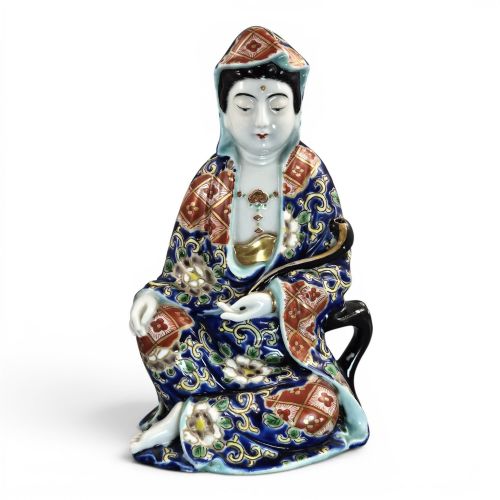
A japanese porcelain ornament encompasses figural sculptures, okimono, vessels, and figures produced across the eighteenth, nineteenth, and early twentieth centuries. Buyers encounter diverse kiln traditions spanning Satsuma, Kutani, Hirado, and Sumida Gawa pottery.
The selection ranges from intricate deities and legendary figures such as Jurojin and Guanyin to animals including horses, elephants, and mandarin ducks. Most examples date from the Meiji period, reflecting the decorative arts exported during that era.
How they were made
Potters shaped porcelain and earthenware bodies by hand or in moulds before applying glazes, polychrome enamel, and delicate gold gilt or gold leaf details. Kilns utilised high-temperature firing techniques to achieve durable ceramic surfaces.
Certain pieces received cold paint or elaborate moriage relief work over the glaze, requiring steady brushwork by skilled artisans in regional workshops.
Materials include polychrome enamel, gold leaf, earthenware, and glaze across multiple distinct regional styles.
What varies in quality
The complexity of the form and the preservation of delicate overglaze colours distinguish standard production items from masterworks bearing signatures from established kilns and named artists.
Makuzu Kozan II·Kizan·Kōko
The Japanese Porcelain Ornament Glossary
- Okimono
- A Japanese term for a decorative object or sculpture intended for display in an alcove or on a shelf. These figures often depict deities, animals, or historical personages.
- Kutani
- A style of Japanese pottery and porcelain known for vibrant polychrome enamels and generous use of gold gilt. Pieces from this tradition frequently feature figural subjects and intricate border patterns.
- Satsuma
- Earthenware and porcelain decorated with fine crackle glazes, intricate enamel work, and raised gold details. This ware gained prominence during the late nineteenth century for export markets.
- Moriage
- A decorative technique using clay applied in dots or lines to create raised relief patterns beneath or over the glaze. This method adds tactile depth to vases and figurines.
- Shishi
- A mythical Buddhist lion or temple dog traditionally depicted as a guardian figure. Sculptures of these creatures often display dynamic poses with stylised mannes and curls.
Japanese Porcelain Ornament: Frequently Asked Questions
What is an okimono?
An okimono is a standalone decorative sculpture designed for interior display rather than functional use.
These pieces typically represent animals, mythological figures, or notable people from Japanese folklore.
How do I identify Satsuma ware?
Satsuma ceramics are recognised by their characteristic fine crackle glaze and detailed polychrome enamel decoration.
Many examples incorporate heavy gold gilt highlights depicting traditional scenes or floral motifs.
Where were Kutani figures made?
Kutani porcelain originates from the Kaga province in Japan, produced across several historic kilns.
The style is distinguished by bold colour palettes dominated by reds, greens, and golds.
How should I display these figures?
These ceramic ornaments suit stable shelves, cabinet tops, or mantelpieces away from direct sunlight.
Placing them on flat surfaces prevents tipping, as many figures carry delicate protruding elements.