


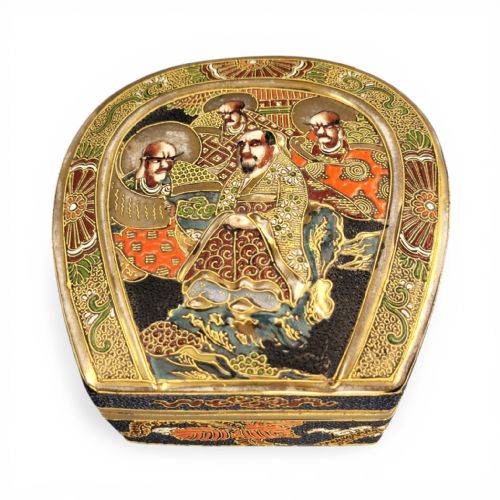


Japanese Polychrome Earthenware
Japanese polychrome earthenware brings intricate hand-painted detail and rich gilding into domestic spaces through decorative vessels and tableware.
Japanese Polychrome Earthenware
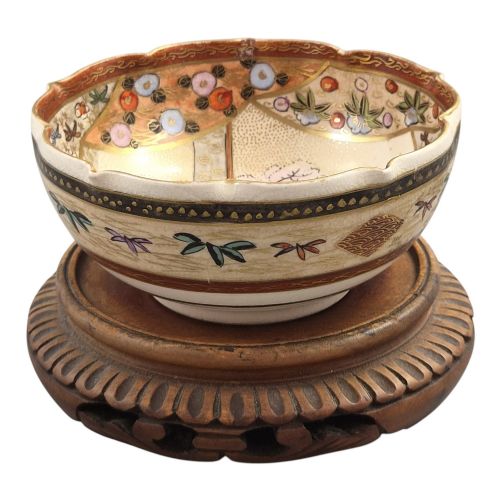
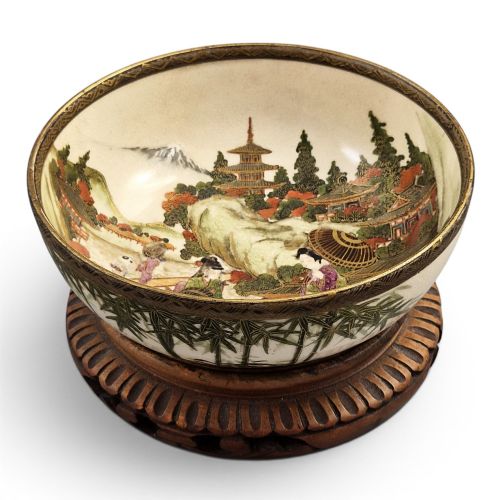
Japanese polychrome earthenware primarily encompasses Satsuma ware vessels, bowls, chargers, and small boxes created during the Meiji period and subsequent early twentieth-century decades.
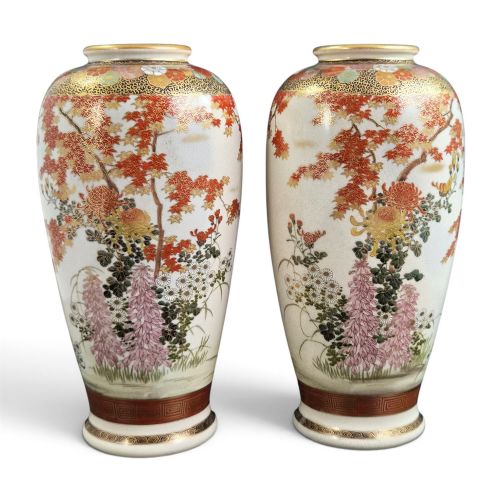
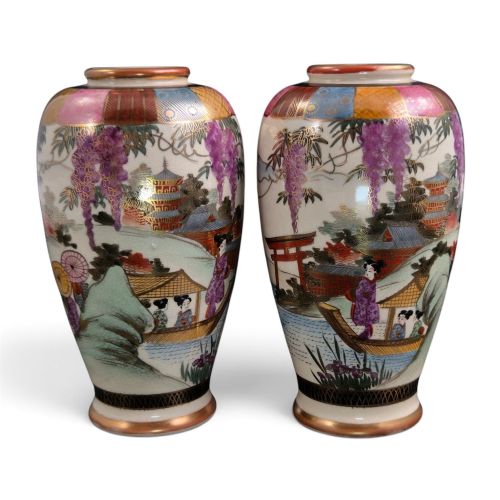
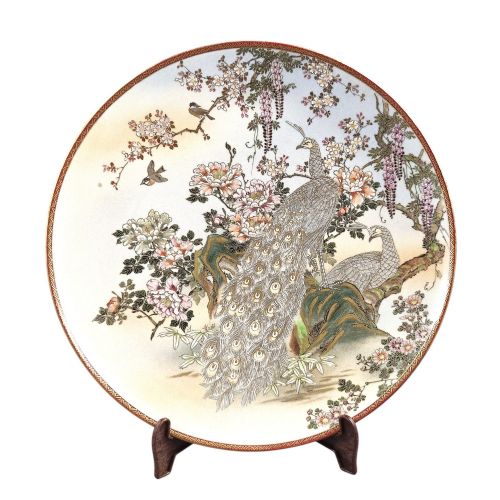
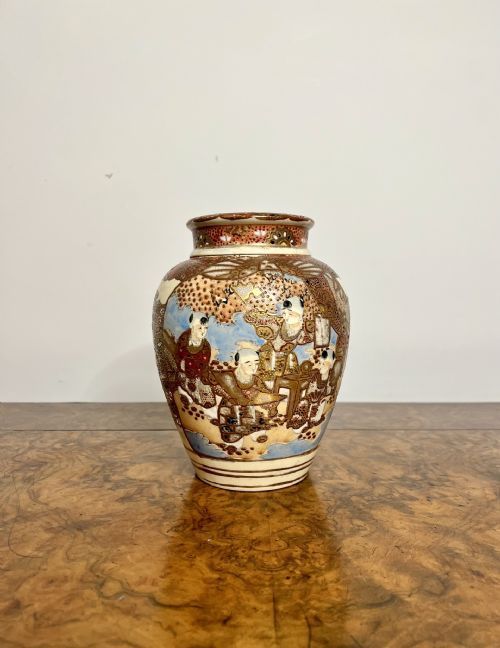
Buyers encounter vases, lidded ginger jars, shallow dishes, and tea caddies decorated with floral motifs, landscapes, and figural scenes.
Production spans late nineteenth-century Meiji works through Taisho and Showa period pieces, with many items originating from workshops in Kyoto and Yokohama.
Materials and Technique
Potters shaped the earthenware bodies before applying fine glazes, followed by detailed polychrome enamels and gold leaf or gilt highlights.
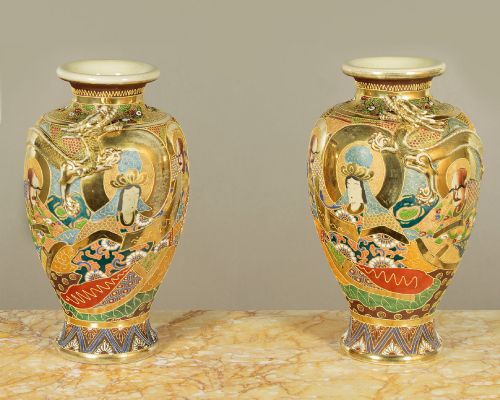
Moriage techniques built up raised enamel designs to create tactile surface textures on chargers, vases, and jars.
Skilled artists painted complex figurative and natural subjects by hand, often incorporating signed artist marks or workshop seals into the base.
Common ceramic forms include decorative bowls, ginger jars, tea caddies, chargers, and tripod miniatures.
Standards of Execution
Quality rests upon the precision of the brushwork and the complexity of the enamel and gilt composition across the ceramic surface.
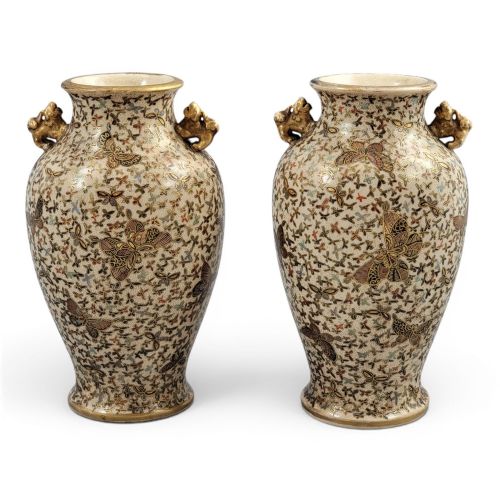
Exhibition-grade pieces demonstrate exceptionally fine control in miniature figural painting and densely patterned backgrounds like thousand butterflies or millefleur motifs.
Recognised signatures from established studio makers and prominent Kyoto or Yokohama workshops elevate a piece above standard decorative production.
Maruni Kobe·Kizan·Kinzan·Toshozan·Ryuzan·Yamashu·Shuzan·Yasuda·Hododa·Shizan·Meizan·Hayakawa
The Japanese Polychrome Earthenware Glossary
- Satsuma ware
- A type of earthenware with a characteristic ivory-coloured, crackle-glazed surface originating from Satsuma province. Makers later expanded production to major centres like Kyoto and Tokyo.
- Moriage
- A decorative technique using clay to build up raised designs before painting and gilding. This creates a distinct three-dimensional texture on the ceramic body.
- Mon
- A Japanese emblem or crest used to identify families or clans. These crests frequently appear as heraldic details on Satsuma vases and jars.
- Natsume
- A traditional Japanese tea caddy used in the chanoyu tea ceremony. These small containers often feature flat lids and detailed lacquer or ceramic decoration.
- Millefleur
- A dense decorative pattern composed of countless small painted flowers covering the entire surface. The French term translates to thousand flowers.
Japanese Polychrome Earthenware: Frequently Asked Questions
What is Satsuma ware?
Satsuma ware is a distinct style of Japanese earthenware featuring a pale, crackled glaze that provides a canvas for colourful enamel painting and heavy gilding. Potters originally produced these ceramics in Satsuma province before production spread to urban centres.
These pieces typically display intricate scenes of flora, fauna, and traditional figures, finished with detailed gold outlines.
How should I clean these ceramics?
Maintenance requires gentle dusting with a soft, dry cloth to protect the delicate enamel and gold leaf decorations. Moisture and chemical cleaning agents can damage the absorbent earthenware body and the historic glaze.
Display items away from direct sunlight and areas of high humidity to preserve the integrity of the painted surfaces.
Are these pieces signed?
Many Japanese earthenware items feature painted or impressed signatures, artist seals, or workshop marks on the base. These signatures often identify the individual artist or the studio responsible for the decoration.
Translating these marks can reveal the specific regional workshop and help establish the period of manufacture.
What are the common motifs?
Decoration frequently draws from nature, depicting wisteria, peonies, chrysanthemums, birds, and detailed landscape views. Figural subjects include immortals, arhats, and historical figures arranged in narrative scenes.
Dense geometric patterns, such as the thousand butterflies or millefleur designs, also appear across bowls, plates, and vases.