



Japanese Oriental Jardiniere
A Japanese oriental jardiniere brings heavy bronze, deep porcelain and carved wood together to hold large plants inside a room.
Japanese Oriental Jardiniere
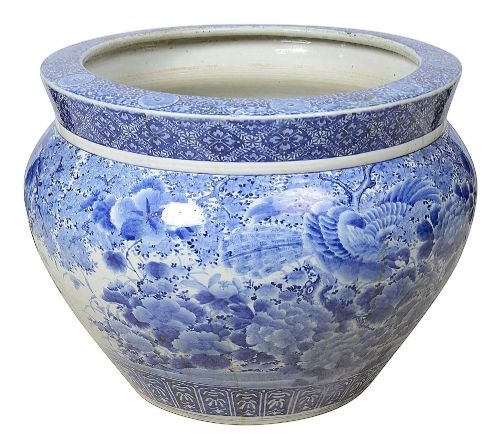
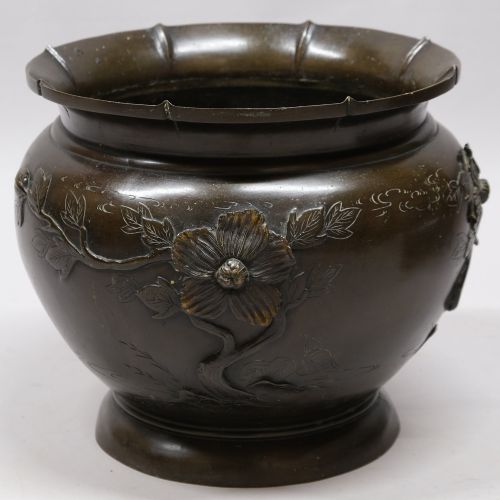
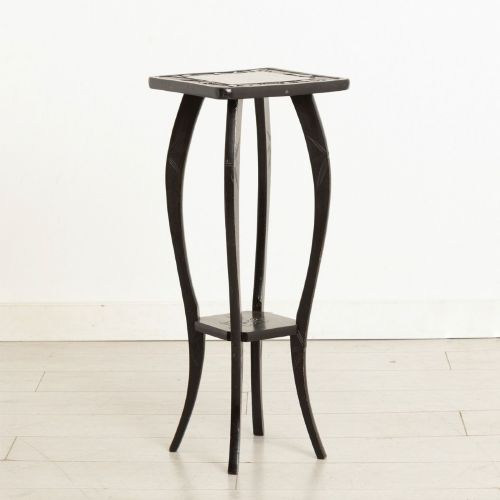
A japanese oriental jardiniere stands as a heavy vessel designed to hold potted plants and floral displays within a room. You will encounter these pieces in bronze, stoneware and blue and white porcelain, often paired with matching plant stands or pedestals in hardwood and ebonised wood.
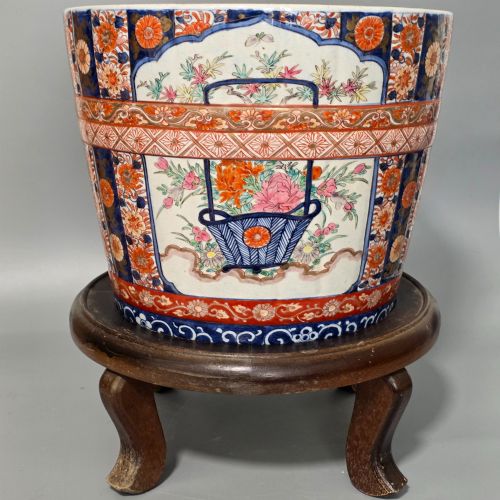
The selection ranges from early eighteenth century Arita Imari porcelain through to Meiji period bronze bowls and later twentieth century Satsuma wares. Many examples arrive complete with carved wooden display tables or portico stands designed to elevate the planter.
Makers and retail houses such as Liberty of London contributed carved plant stands that complement the imported bronze and ceramic vessels. These items bridge traditional far eastern metalwork and ceramics with nineteenth century interior taste.
Materials and Construction
Bronze forms the backbone of these pieces, shaped through casting and patination to create heavy bowls and planters. Artisans applied champleve enamel details onto bronze surfaces during the Meiji period to introduce colour and pattern.
Porcelain vessels utilise traditional blue and white painting alongside Imari palettes, fired at high temperatures to achieve durable decorative surfaces. Stoneware examples show textured glazes and hand-carved detailing from specific ceramic artists.
Stands and tables employ hardwood and ebonised wood, frequently featuring hand-carved elements and inset marble tops to support the weight of loaded bronze or ceramic planters.
Some bronze bowls carry enough weight to double as small exercise equipment, though your houseplants might object to the workout.
Markers of Distinction
Quality rests upon the crispness of the casting in bronze pieces and the depth of the glaze in porcelain and stoneware. Heavier bronze bowls with deep patination and distinct decorative relief separate standard production from finer examples.
The presence of a signed maker or a documented retail association elevates certain pieces above anonymous items. Associated hardwood stands that match the scale and age of the jardiniere add architectural balance to the whole ensemble.
Liberty of London·Makuzu Kozan II
The Japanese Oriental Jardiniere Glossary
- Meiji Period
- A span of Japanese history lasting from 1868 to 1912 noted for exceptional bronze casting and decorative arts exported to Western markets. Pieces from this era often display intricate surface detail.
- Imari
- A style of Japanese porcelain featuring underglaze blue and overglaze red, gold and green. These wares were produced in Arita and shipped globally.
- Champleve
- An enamelling technique where troughs or cells are carved into a bronze surface and filled with enamel paste before firing. This creates vibrant coloured patterns across the metal body.
- Ebonised Wood
- Timber treated with a chemical stain or finish to imitate expensive ebony. It appears frequently on nineteenth century plant stands.
Japanese Oriental Jardiniere: Frequently Asked Questions
What is a jardiniere used for?
A jardiniere serves as an ornamental container designed to hold potted plants or floral arrangements. They protect interior surfaces from water while adding a decorative focal point to a room.
Historically, larger bronze and ceramic vessels sat on dedicated stands or direct on the floor within reception rooms and hallways. Smaller examples accommodated table displays.
How do I date a bronze jardiniere?
Dating relies upon examining the cast finish, patination, and stylistic motifs present on the metal surface. Meiji period pieces often display rich brown patination and precise decorative casting.
Later pieces from the early twentieth century may incorporate different mounting techniques or enamel work. Associated stands and factory marks help narrow the production window.
Can these planters hold water directly?
Many bronze and ceramic planters held water for floral displays or interior plantings during their period of origin. However, older vessels require careful inspection for hairline fractures before direct filling.
Using a modern plastic liner inside the antique bowl protects the historic material from moisture damage and mineral deposits.
How do I match a stand to a bowl?
Matching a jardiniere to a stand involves balancing the weight, scale and timber tone of both items. Hardwood and ebonised stands should provide a stable base that corresponds to the diameter of the planter.
Many pieces arrive with associated stands that share period characteristics, such as nineteenth century aesthetic styling or carved cabriole legs.