
Japanese Oriental Bronze
When you handle Japanese oriental bronze pieces, you meet objects shaped by Meiji period metalworkers who combined utility with naturalistic artistry.
Japanese Oriental Bronze
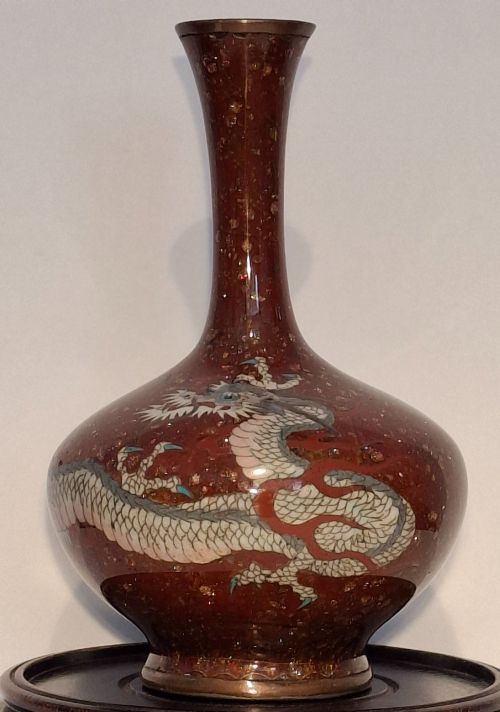
Japanese oriental bronze objects encompass sculptural figures, vases, jardinières, and lighting fixtures produced primarily during the 19th and early 20th centuries.
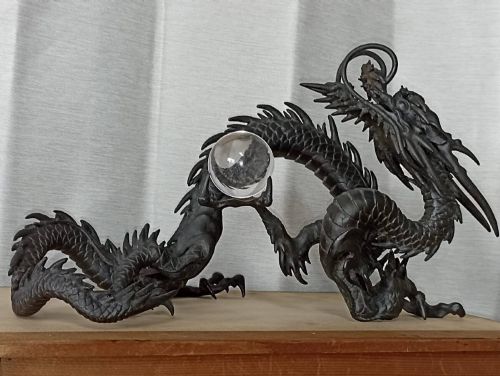
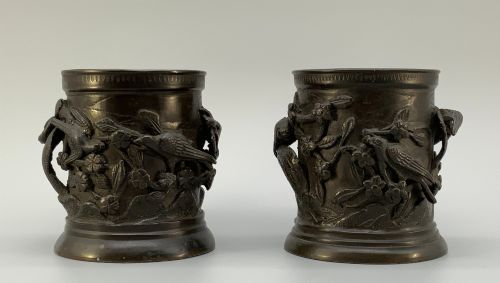
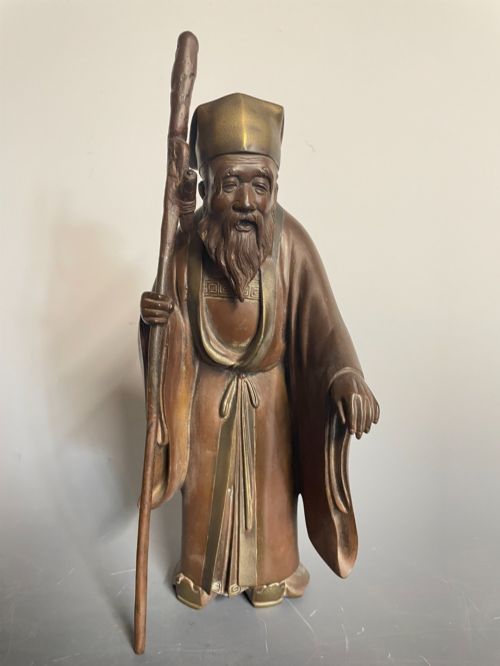
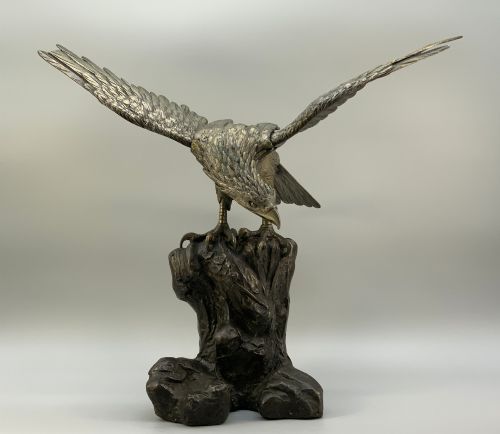
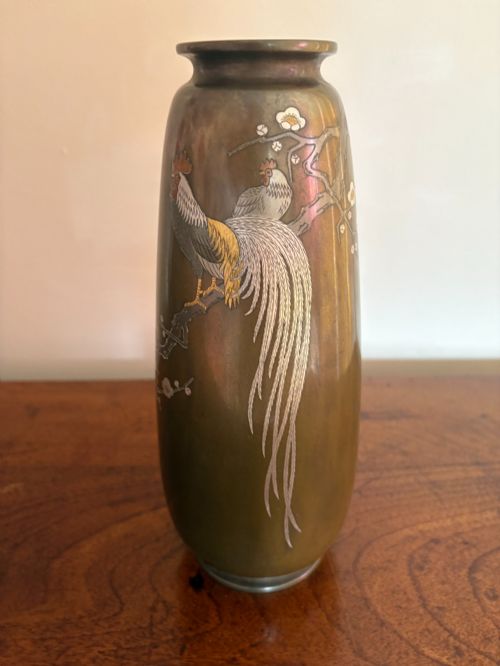
The inventory on this page draws heavily from the Meiji period, featuring subjects ranging from birds and blossoms to figures of scholars, woodmen, and animals.
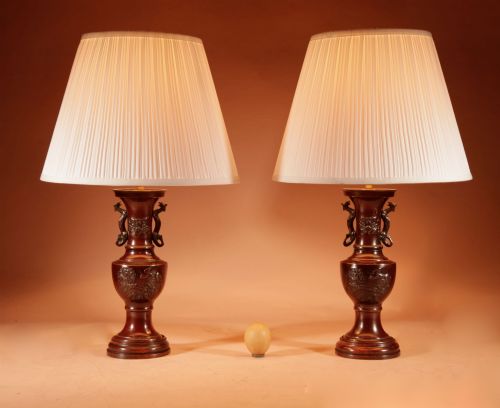
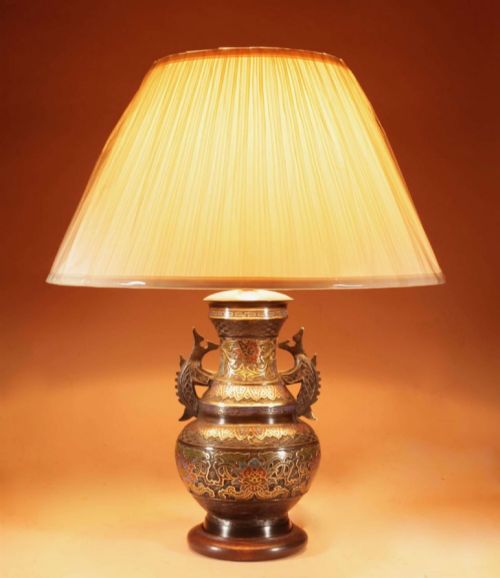
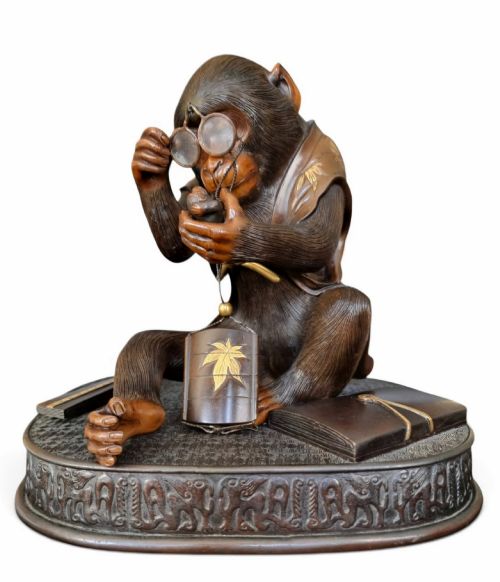
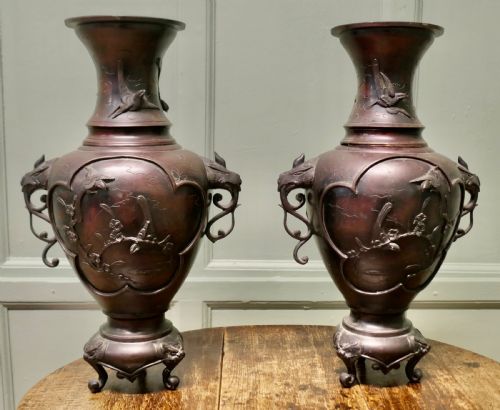
Vessels and planters dominate the selection, alongside okimono sculptures and table lamps adapted from earlier forms.
How they were made
Casting forms in bronze or brass formed the foundation for these objects, often enhanced through patination to achieve deep surface tones.
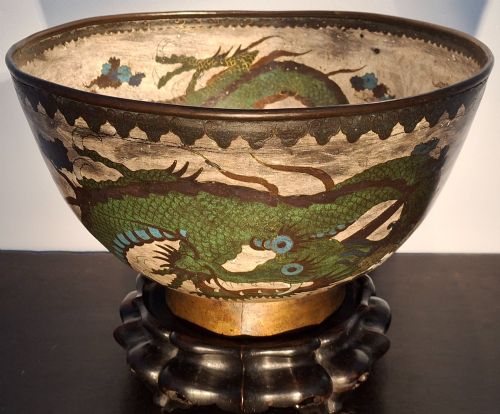
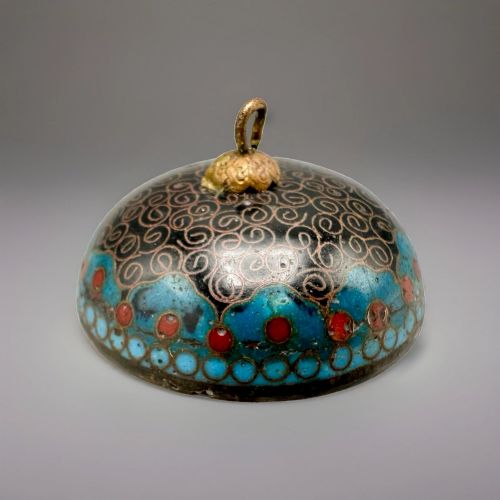
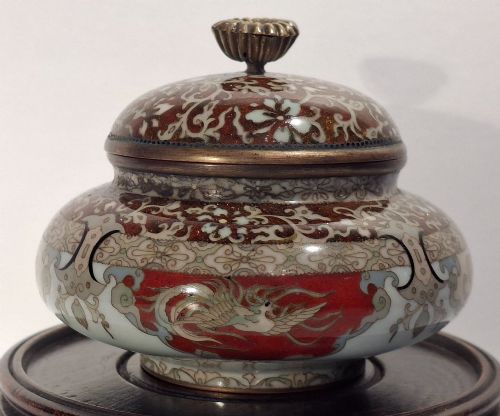
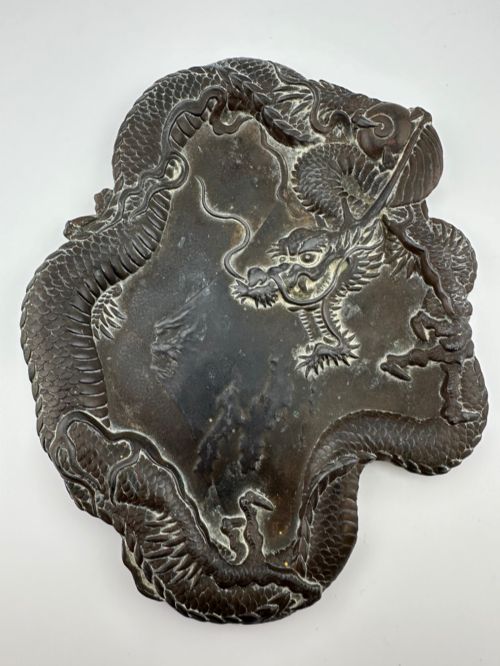
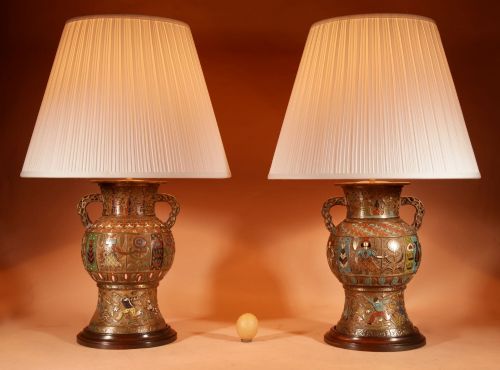
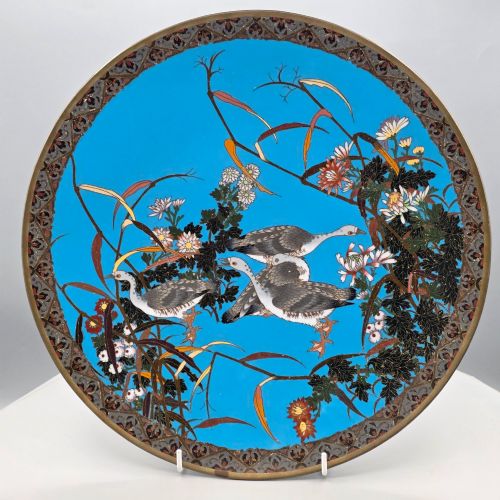
Artisans applied gold inlay, champlevé enamel, and mixed-metal techniques to highlight intricate details on chargers, vases, and figures.
Selected items incorporated elements such as wood, copper, and fabric mounts, reflecting the diverse material practices of the period.
Listings span the 19th century through the Edwardian era, featuring bronze, brass, enamel, and wood materials.
What varies in quality
The distinction between standard production and top-tier work rests on the precision of the casting and the depth of the chasing on the surface.
Signed pieces attributed to known makers demonstrate superior mastery in balancing complex multi-figure compositions and naturalistic textures.
The integration of mixed metals and fine enamel work elevates certain vessels and okimono far above simpler utilitarian castings.
KANASAWA·Jomi Eisuke·MASAAKI·Kunio Itô·Tsunemitsu
The Japanese Oriental Bronze Glossary
- Okimono
- A standalone Japanese ornamental carving or sculpture meant for display on a shelf or in a tokonoma alcove. These figures frequently depict animals, deities, or scenes from daily life.
- Jardiniere
- A large decorative bowl or pot used for holding plants or flowers. In this selection, heavy bronze jardinières often feature relief dragons or floral panels.
- Champleve
- An enamelling technique where troughs or cells are sunk into the metal surface and filled with vitreous enamel before firing. It appears frequently on lamps and decorative vessels.
- Shakudo
- A Japanese billon of copper and gold that develops a rich dark blue-to-black patina when treated. It provides striking contrast in mixed-metal sculptures.
- Suiban
- A shallow basin used for arranging cut flowers or supporting bonsai displays. These bronze pieces are designed to hold water.
Japanese Oriental Bronze: Frequently Asked Questions
How do I identify a Meiji period bronze?
Meiji period bronzes typically display high-relief casting, naturalistic subjects like birds or monkeys, and dark patination. Look for artist signatures or workshop marks embedded in the metal.
Weight and material density also offer clues, as genuine pieces from this era utilise substantial bronze alloys rather than hollow lightweight metals.
Were these bronzes made for export?
Many Japanese bronzes from the late 19th century were produced specifically for Western export markets following the reopening of trade. International exhibitions drove demand for decorative vases, jardinières, and large okimono.
Domestic items tended to follow traditional interior aesthetics, while export pieces often incorporated grander scales and elaborate ornamentation.
How should I clean an antique bronze?
Dust bronze objects gently with a dry microfibre cloth to remove surface particles. Avoid chemical polishes, abrasive pads, or water, which can strip away the historical patina.
Preserving the original surface skin maintains both the visual character and the historical integrity of the piece.
What is an okimono used for?
Okimono function purely as decorative display objects rather than religious items. Historically, owners placed them in domestic reception rooms to showcase fine metalwork craftsmanship.
They depict animals, folk heroes, and laborers engaged in everyday activities with expressive detail.