

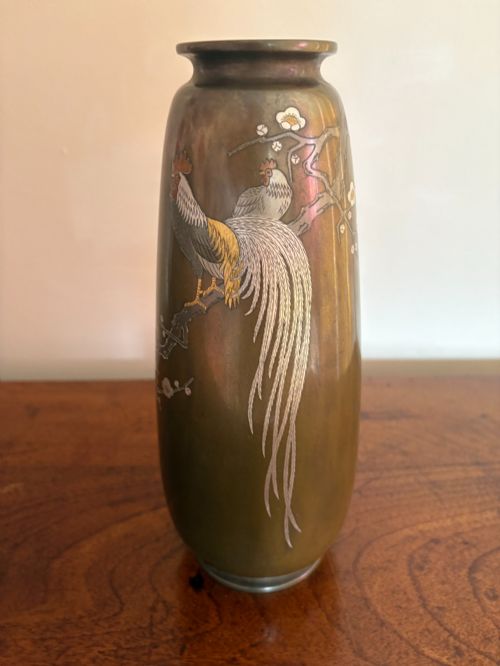


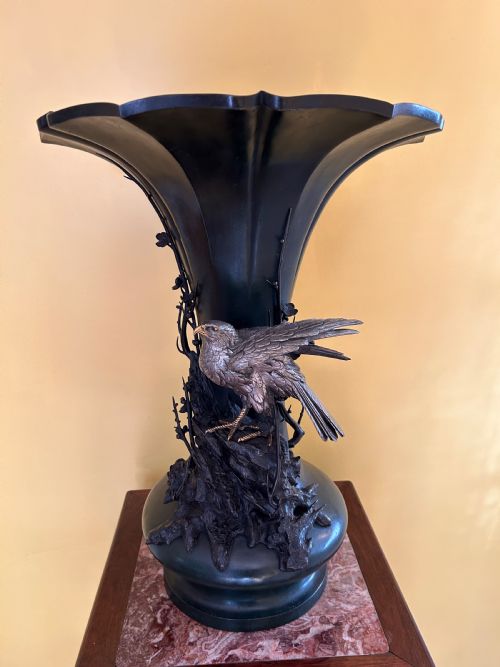


Japanese Mixed Metal
Japanese mixed metal pieces combine bronze, silver, gold, and copper into intricate decorative items that bring traditional metalwork craft directly into your home.
Japanese Mixed Metal
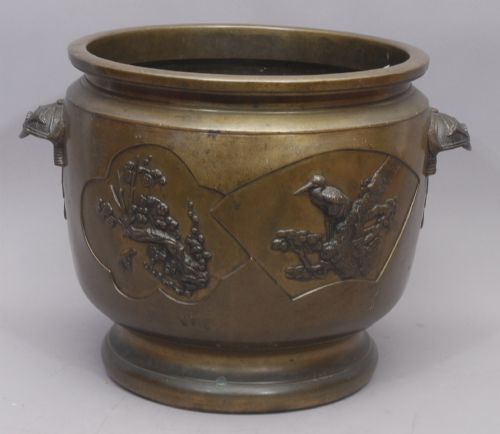
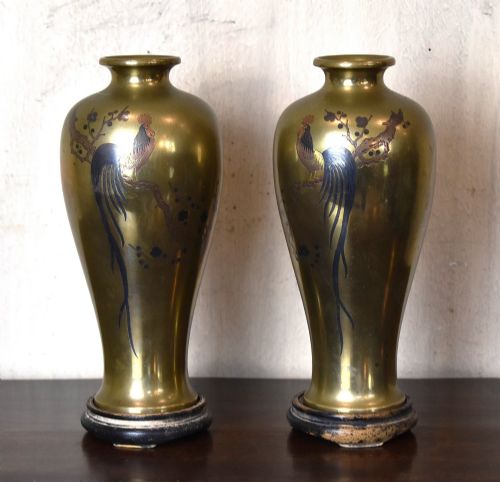
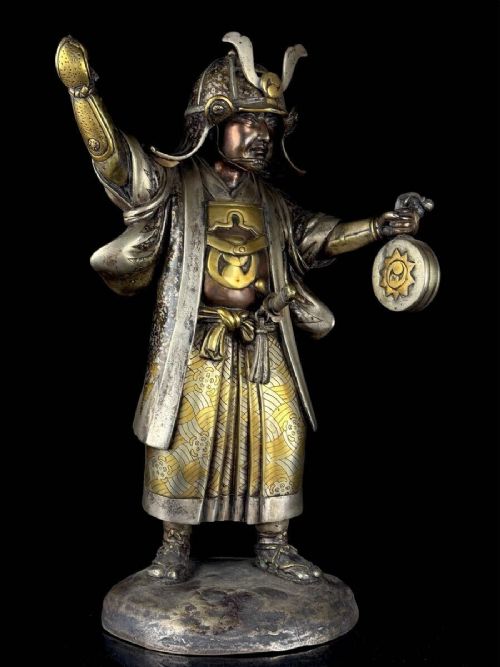
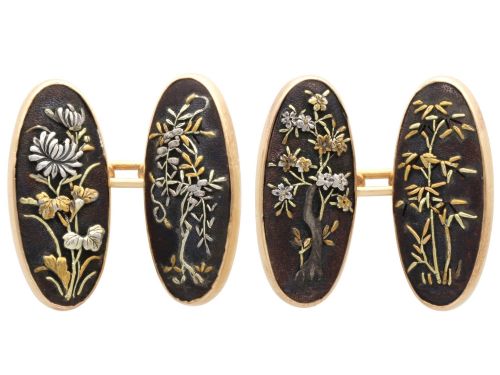
Japanese mixed metal works encompass a variety of decorative forms including vases, dishes, jardinieres, sculptures, and small accessories like cases and cufflinks. These objects predominantly date from the Meiji period and the late nineteenth century, reflecting an era of exceptional decorative metalwork output.
The objects on this page centre on bronze bodies enriched with contrasting metallic inlays and applications. Buyers frequently encounter vases and decorative dishes featuring birds, dragons, and human figures rendered in silver, gold, and copper.
Many of these pieces display the distinct influence of traditional Japanese craftsmanship combined with Victorian and Edwardian collecting tastes. The integration of different metals creates a pictorial surface that functions much like a metal painting.
How they were made
The foundational structure of these pieces relies on cast bronze, brass, or copper shaped into vessels, plaques, and boxes. Artisans then employed metalworking techniques to build up the surface decoration.
Inlay and overlay methods utilise silver, gold, and gold inlay to create contrasting tones against the dark bronze background. This process requires precise hammering and fitting of softer metals into recessed channels carved into the primary metal.
Japanese Mixed Metal Retail Price Guide 2026
Typical asking prices for japanese mixed metal among the pieces listed under this phrase on Sellingantiques today, from the lower quarter to the upper quarter. They describe what is for sale here now, not the wider market.
Materials recorded across the inventory include bronze, silver, gold, copper, brass, and wood, frequently combined within a single object.
What varies in quality
Quality in these metalworks depends on the crispness of the casting and the precision of the metal inlay. Superior examples demonstrate a secure bond between the contrasting metals without gaps or uneven surface levels.
The complexity and depth of the pictorial composition dictate the upper tier of the range. Masterworks integrate multiple metallic tones to delineate fine details such as feathers, scales, and facial expressions.
KANASAWA
The Japanese Mixed Metal Glossary
- Shakudo
- A traditional Japanese alloy of copper and a small amount of gold, treated to produce a dark blue-black patina. It serves as a contrasting dark ground for gold and silver inlays.
- Meiji Period
- The era in Japanese history lasting from 1868 to 1912, marked by the opening of trade with the West and a flourishing of decorative arts for export. Pieces from this time often feature complex mixed metal techniques.
- Komai Style
- A method of inlaying gold and silver wire into a darkened iron or bronze background, creating intricate pictorial designs. Named after the Kyoto metalworking families who refined the technique.
- Jardinere
- A large ornamental pot or stand for holding plants or flowers. In Japanese metalwork, these often take the form of heavy bronze bowls with mixed metal bird and floral motifs.
- Kabuto
- A type of traditional Japanese helmet worn by samurai warriors. This motif occasionally appears in the decorative themes of Meiji period bronze vessels.
Japanese Mixed Metal: Frequently Asked Questions
What is Japanese mixed metal?
Japanese mixed metal refers to decorative art objects made primarily from bronze, brass, or copper that incorporate contrasting metals such as gold, silver, and iron. These pieces often date from the Meiji period.
Artisans used techniques like inlay and patination to create pictorial scenes of birds, dragons, and figures directly onto the metal surface.
How do I date a bronze vase?
Dating these pieces relies on stylistic markers, manufacturing methods, and historical context such as the Meiji period or late nineteenth century. Victorian and Edwardian import trends also help establish a timeline.
Makers' signatures, where present, provide additional clues to the active years of specific workshops and metalworkers.
How should I clean bronze?
Bronze objects with historic patinas and mixed metal inlays require minimal intervention to preserve their original finish. Dusting with a soft, dry cloth is generally sufficient for regular maintenance.
Avoid abrasive cleaners, chemical polishes, and water, as these can strip the delicate patination and damage inlaid gold and silver elements.
What is the Komai style?
The Komai style involves hammering gold and silver wires into cross-hatched metal bases to produce detailed, damascene-like patterns. This technique was widely practiced in Kyoto during the Meiji period.
Pieces in this style often depict traditional Japanese landscapes, deities, and mythological creatures.