



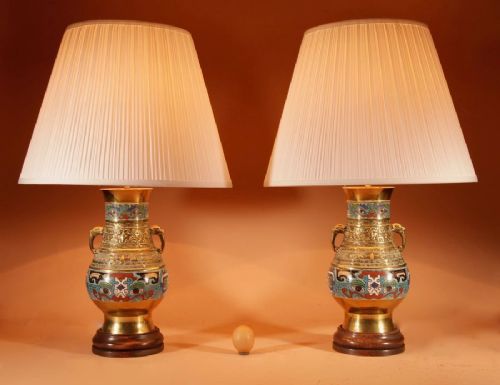


Antique Japanese Brass Vases
These antique japanese brass vases and related vessels bring nineteenth and twentieth-century metalwork into the home.
Antique Japanese Brass Vases
When searching for antique japanese brass vases, buyers encounter various metal vessels, decorative jars, and table lamps originating from the nineteenth and early twentieth centuries. Many pieces belong to the Meiji period, reflecting the intricate craftsmanship of that era.
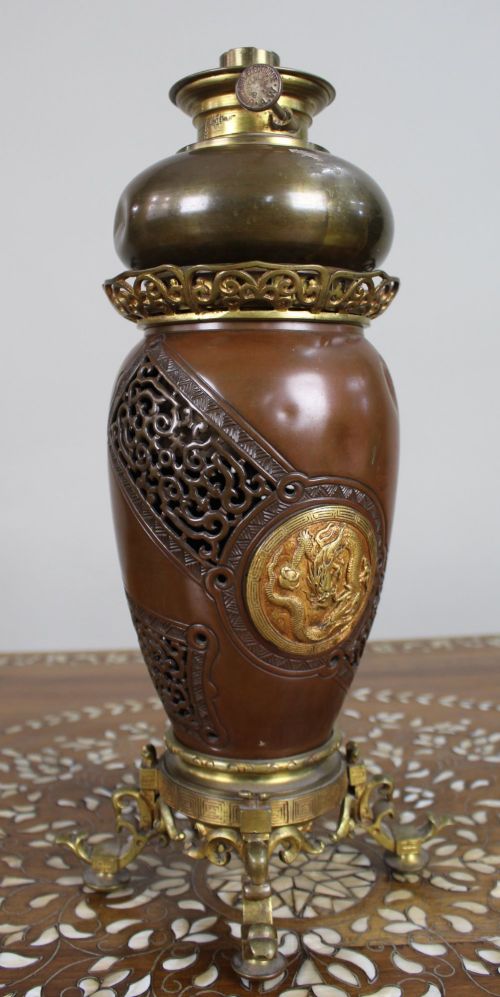
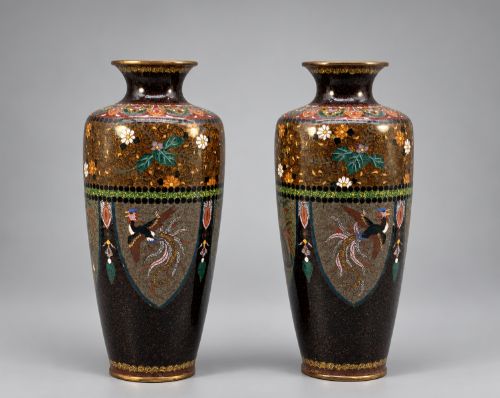
Vessels on offer include miniature ritual vases, ginger jars, and larger pairs designed for display or later conversion into lamps. The inventory spans from eighteenth-century Arita Imari wares to later Showa pieces, showing diverse forms such as spill vases and decorative jars.
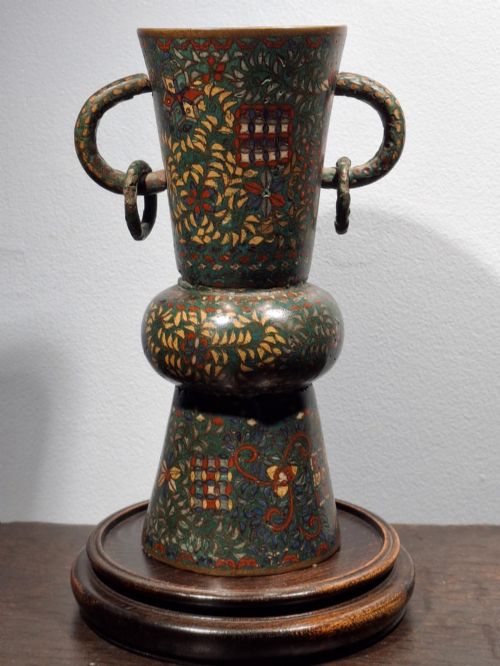
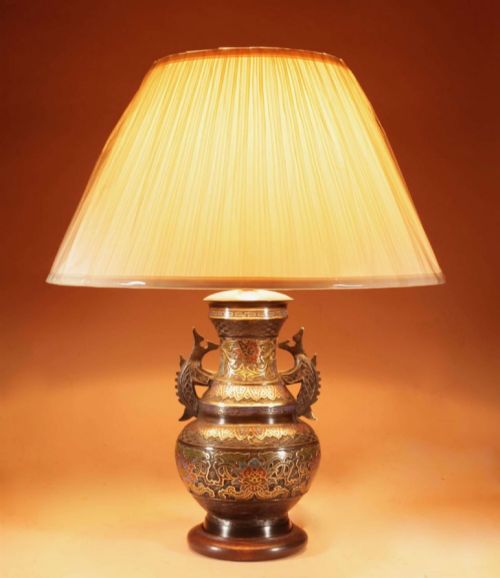
Buyers frequently find vases embellished with cloisonné enamel, champlevé, and bronze elements. These objects demonstrate the versatility of Japanese metalworkers who adapted traditional forms for domestic and export markets.
Materials and construction
Metal forms are fashioned from brass, bronze, and copper, often providing a sturdy foundation for decorative surface treatments. Artisans shape these metals through casting and hammering to create distinct vessel profiles.
Surface decoration frequently incorporates cloisonné and champlevé enamel work, where thin wires or carved channels hold coloured enamel pastes. Firing and polishing complete the process, resulting in detailed motifs like birds and mosaics.
Antique Japanese Brass Vases Retail Price Guide 2026
Typical asking prices for japanese brass vases among the pieces listed under this phrase on Sellingantiques today, from the lower quarter to the upper quarter. They describe what is for sale here now, not the wider market.
Listings feature items from the 18th Century, Meiji Period, and up to the 1930s, utilising brass, bronze, copper, and cloisonné enamel.
Evaluating quality in metalwork
The standard of a vessel depends on the precision of its metalwork and the clarity of its enamelling. Finer examples display meticulous wirework in cloisonné designs and cleanly finished casting without surface flaws.
Artistic execution dictates the distinction between standard production and superior pieces. Balanced proportions, intricate bird and mosaic patterns, and well-preserved enamel surfaces mark out the better vessels in any collection.
The Antique Japanese Brass Vases Glossary
- Cloisonne enamel
- A metalwork technique where thin metal wires are soldered to a base to form compartments filled with enamel paste before firing. This method creates detailed pictorial surfaces on vases and jars.
- Champleve
- A technique where troughs or cells are carved directly into the metal surface to hold enamel colours. The surrounding metal remains visible as part of the overall design.
- Meiji Period
- The era in Japanese history lasting from 1868 to 1912, characterised by extensive modernization and a surge in decorative arts exported abroad. Pieces from this time often feature elaborate enamelling and bronze casting.
- Imari
- A style of Japanese porcelain and ceramic ware originating from the town of Arita, known for its distinct underglaze blue and iron-red palette. Some metal vessels incorporate Imari stylistic elements or ceramic bodies.
- Spill vase
- A tall, narrow vessel historically used to hold wooden spills for lighting fires and candles. These functional forms became popular decorative objects in nineteenth-century interiors.
Antique Japanese Brass Vases: Frequently Asked Questions
What periods do these vases come from?
The available pieces primarily date from the nineteenth century through to the early twentieth century. This span includes the Meiji period and stretches from eighteenth-century items up to 1930s examples.
Buyers will also encounter pieces associated with the Showa period and earlier Edo traditions. Each era brings distinct decorative styles and manufacturing techniques to the metalwork.
Were these vessels originally made as lamps?
Many items listed as lamps began life as vases, ginger jars, or spill vases that were subsequently converted for electrical wiring. This adaptation was a common practice in the twentieth century for decorative purposes.
Original vessel forms remain intact beneath the lamp fittings in many instances. Collectors often look for conversions that preserve the primary metal body without causing excessive damage.
How do I identify cloisonne enamel?
Cloisonne is identified by the network of fine metal wires outlining the decorative motifs on the vase body. The spaces between these wires are filled with coloured enamel pastes and polished smooth.
This technique produces a tactile surface with visible metallic boundaries between different colours. Bird, floral, and mosaic patterns are frequently rendered using this method.
How should I clean antique brass and bronze?
Antique metal surfaces benefit from gentle dusting with a soft, dry cloth to remove accumulated particles. Avoid using harsh chemical polishes that can strip away patination or damage delicate enamel work.
Preserving the natural age and patina is important for maintaining the character of nineteenth-century metalwork. Professional advice should be sought before attempting any intensive cleaning.