




Japanese Metalwork Statue
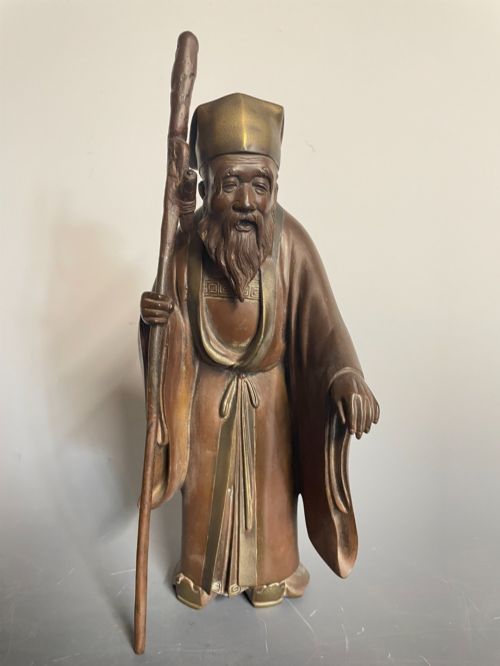
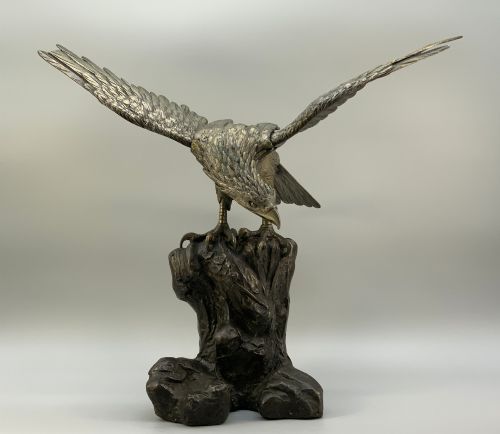
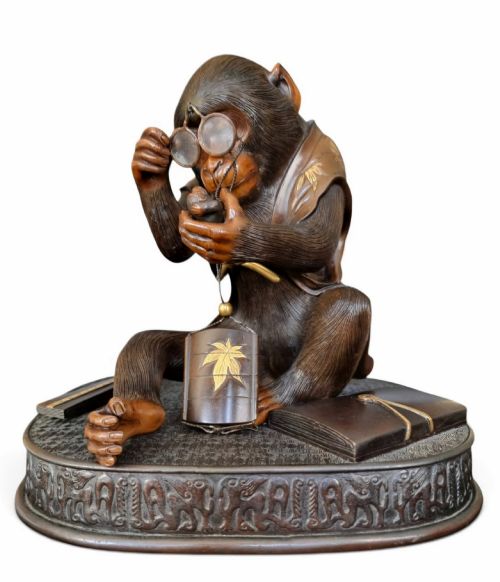
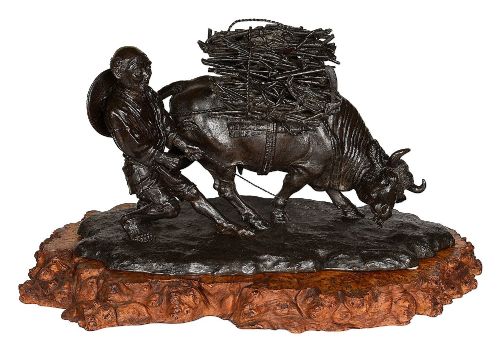
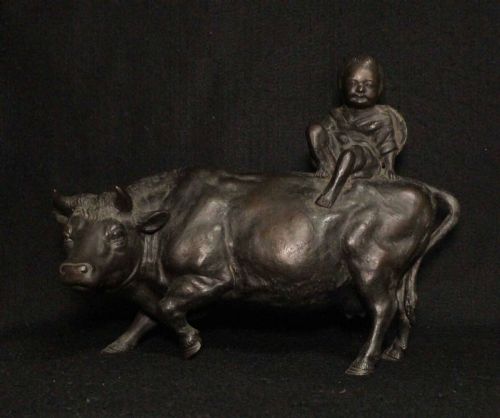
These japanese metalwork statue pieces are finely cast figures and animals created during the Meiji, Taisho and Showa periods.
Japanese Metalwork Statue
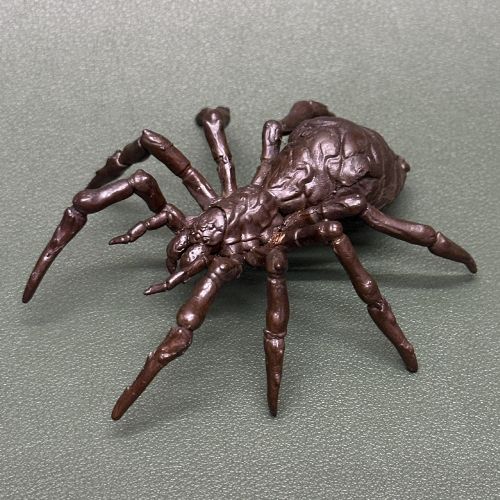
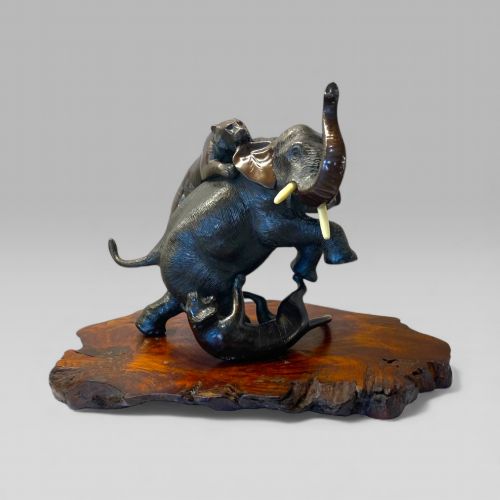
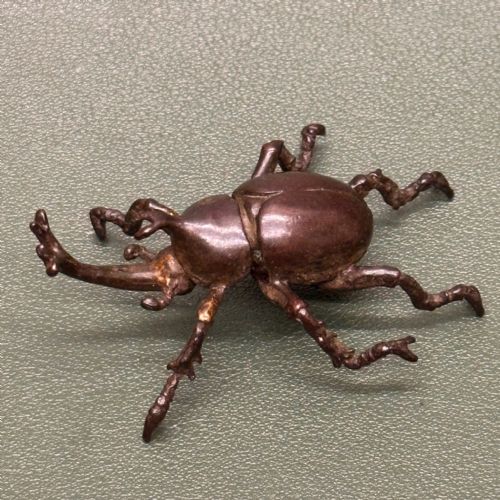
A japanese metalwork statue typically takes the form of an okimono, sculpture or figurine depicting animals, figures and mythical subjects. The pieces range from naturalistic depictions of birds and insects to complex figure groups.
Most examples originate from the late nineteenth century and the early twentieth century, spanning the Meiji period through to the Showa period. Forms vary from small tabletop okimono to large garden statuary and life-size pairs of geese.
How they were made
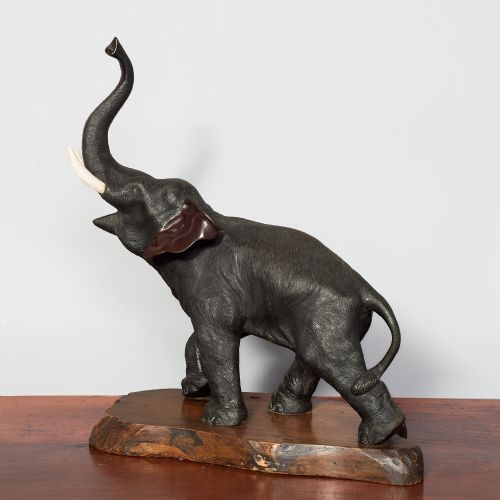
Artisans utilised bronze, patinated bronze, iron and silvered bronze, often combining metals in mixed-metal compositions. Details were enhanced through gold inlay, shakudo work and surface patination.
Some sculptures incorporate organic materials such as bone, wood and stone bases to support the cast metal figures, reflecting traditional craftsmanship.
The selection includes animal sculptures, garden statuary, and okimono figures from the Meiji, Taisho, and Showa periods.
What varies in quality
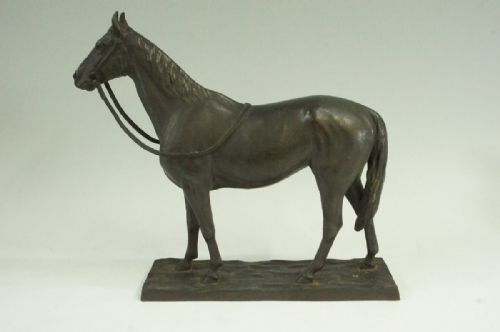
The degree of naturalism and anatomical precision distinguishes exceptional animal and figure sculptures from simpler castings. Mastery is evident in the rendering of feathers, fur and dynamic movement in subjects like eagles, horses and fighting tigers.
Signatures by recognised makers and founders add distinction, reflecting the skill of notable workshops and artists who shaped the metalwork.
Jomi Eisuke·Kunio Itô·Tsunemitsu·Sakai Kōzan·Unno Shomin·Gyoko
The Japanese Metalwork Statue Glossary
- Okimono
- A traditional Japanese ornamental display object placed in an interior setting. These sculptures often depict animals, insects or figures.
- Meiji Period
- The era in Japanese history lasting from 1868 to 1912, associated with rapid artistic output in metalwork. Many bronze sculptures on this page date from this time.
- Shakudo
- A traditional Japanese billon of copper with a small percentage of gold, treated to develop a dark purple-black patina. It appears in detailed group sculptures.
- Patinated Bronze
- Bronze treated with chemical solutions to produce a specific surface colour and tone. This finish defines the appearance of numerous animal figures.
Japanese Metalwork Statue: Frequently Asked Questions
What is an okimono statue?
An okimono is a decorative statue designed for display in a home rather than for religious use. These pieces include realistic figures of animals, birds and human subjects.
Craftsmen created them in metal, ivory and wood during the late nineteenth and early twentieth centuries.
How do I identify a Meiji period bronze?
Meiji period bronzes date between 1868 and 1912, often featuring detailed patination and naturalistic subject matter. Look for signature marks or artist inscriptions on the base or body.
The style emphasises dynamic movement and precise observation of nature.
Where were these metal sculptures made?
These works were produced in Japan by specialised metalworkers, independent artists and prominent Tokyo foundries. Many pieces reflect the aesthetic standards of the Meiji era.
Workshops employed traditional casting methods alongside advanced surface finishing techniques.
How do I care for bronze garden statuary?
Outdoor bronze garden statues require periodic gentle cleaning to remove debris and maintain the protective patina. Avoid harsh chemical cleaners that strip the original surface finish.
Natural weathering will continue to alter the patination over time when exposed to the elements.