





Japanese Okimono Bronze Metalwork
Japanese okimono bronze metalwork brings finely observed Meiji period animal and human figures into the room, cast with intense realism.
Japanese Okimono Bronze Metalwork
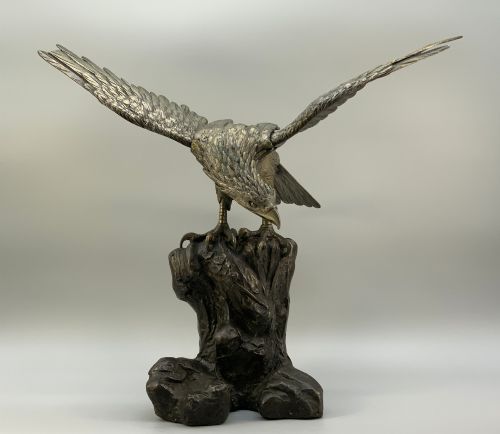
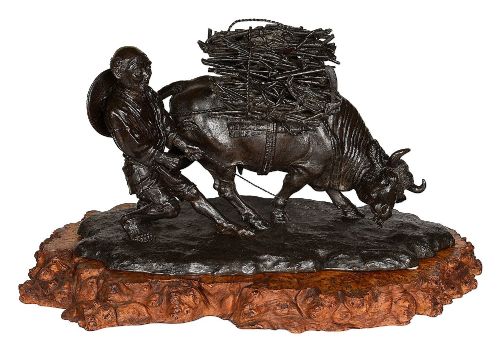
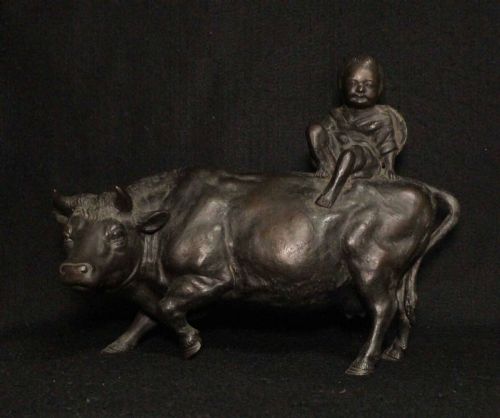
Japanese okimono bronze metalwork comprises decorative sculptures and figurines created primarily during the Meiji period in the nineteenth century. These objects include freestanding depictions of birds of prey, primates, insects, domestic animals, and human figures designed for display.
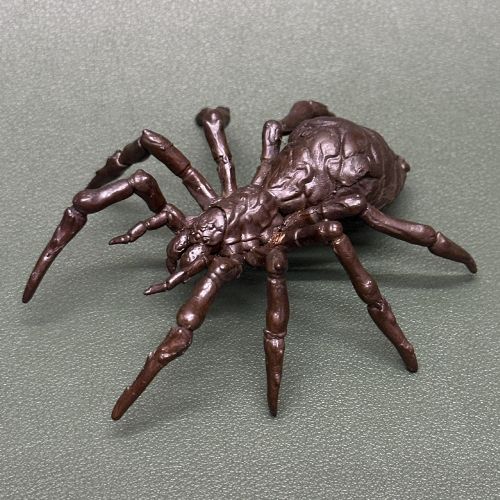
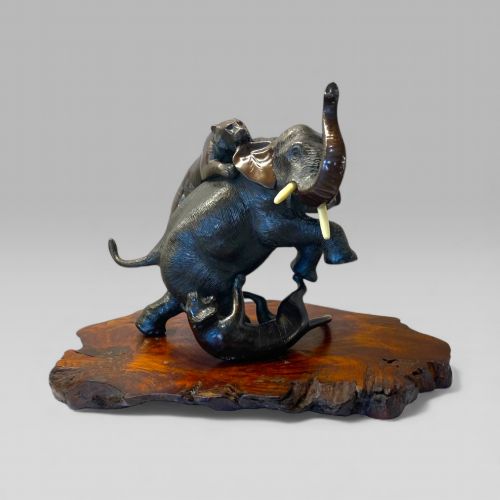
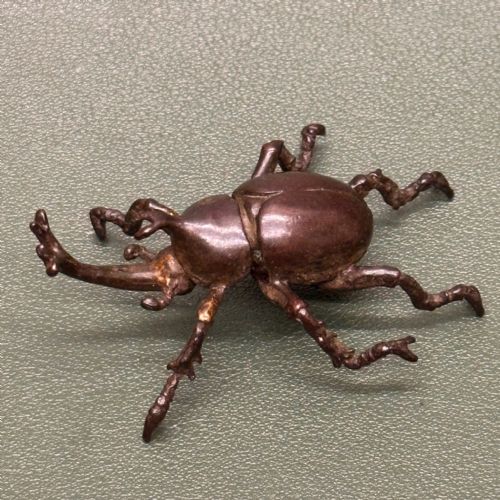
The most common examples on this page are patinated bronze animal studies, ranging from small insects like tarantulas and beetles to large scale garden statuary such as geese and elephants. Many pieces originate from the late nineteenth century and continue into the early twentieth century.
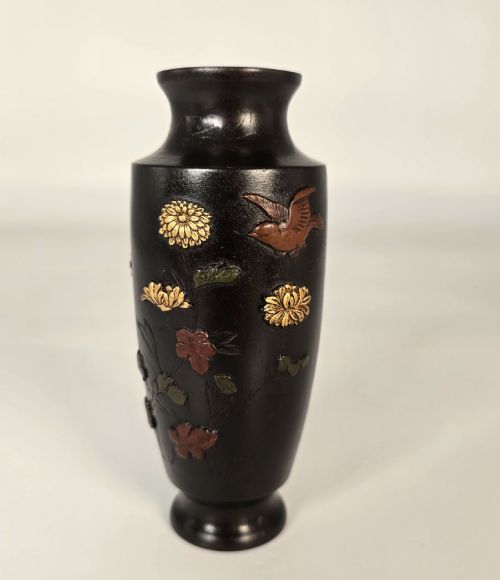
Forms stretch from realistic wildlife sculptures to anthropomorphic scholar figures and vases, reflecting the diverse output of Japanese metalworkers during this era. Collectors encounter both solitary animal models and complex multi piece groups.
How they were made
Metalworkers utilised bronze, patinated bronze, and copper as primary casting materials, frequently incorporating mixed metals and gold inlay for visual depth. Certain works integrated supplementary elements in wood, bone, and stone, such as root wood bases for eagles.
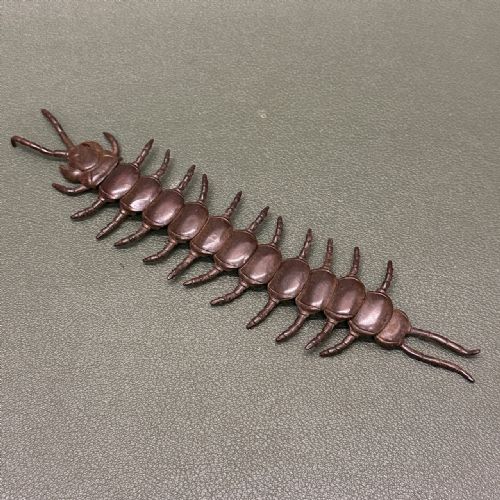
Techniques involved precision casting and patination, alongside specialised metalworking methods seen in articulated creatures like centipedes and the complex Shakudo turtle groups. Masters signed their work on metal surfaces, applying rich surface treatments to accentuate feathers, fur, and carapaces.
Articulated metal centipedes and rhinoceros beetles show that nineteenth century metalworkers possessed an extraordinary obsession with creepy crawlies.
What varies in quality
Quality rests upon the naturalism of the modelling and the finesse of the patination, separating standard decorative objects from masterwork sculptures. Anatomy, posture, and surface texture determine whether an animal figure captures realistic movement or appears static.
The complexity of the metalwork influences standing, seen in mixed metal applications, gold inlay, and fully articulated joints that move naturally. Signed pieces by recorded makers generally exhibit superior chiselling and finishing compared to unsigned commercial output.
Jomi Eisuke·Tsunemitsu·Unno Shomin·Gyoko
The Japanese Okimono Bronze Metalwork Glossary
- Okimono
- A Japanese term for an ornamental object or sculpture placed for display in a domestic interior.
- Meiji Period
- The era in Japanese history spanning from 1868 to 1912, characterised by opening to Western trade and exceptional metalwork artistry.
- Patinated Bronze
- Bronze treated with chemical solutions to produce specific surface colours and tones.
- Shakudo
- A Japanese alloy of copper and a small amount of gold, treated to yield a dark blue-black purple patina.
- Articulated
- Constructed with movable joints, allowing metal insect or animal segments to flex.
Japanese Okimono Bronze Metalwork: Frequently Asked Questions
What is an okimono?
An okimono is a decorative Japanese sculpture designed for display on a shelf, tokonoma, or table rather than for ceremonial use.
These pieces focus on natural subjects, daily life, and folklore, rendered with high sculptural detail.
How do I identify Meiji period bronze?
Meiji period bronzes are identifiable through nineteenth century manufacturing traits, character signatures, and distinct naturalistic styles.
Makers often utilised rich patination and mixed metals that distinguish these works from later reproductions.
What subjects are most common?
Animals dominate the subject matter, including eagles, hawks, monkeys, elephants, frogs, and various insects like beetles and spiders.
Human figures and garden statuary such as geese also appear among the sculptural forms.
How should I display these sculptures?
Place them on stable surfaces away from direct moisture to preserve the chemical patination on the bronze.
Some large pieces or birds with root wood bases suit standalone pedestals or display tables.