


Japanese Meiji Period Metalwork
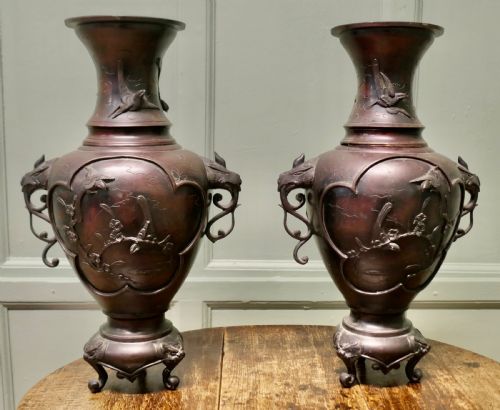
These pieces of japanese meiji period metalwork span vases, okimono, and chargers, offering intricate craftsmanship that collectors seek for cabinet display and interior focal points.
Japanese Meiji Period Metalwork
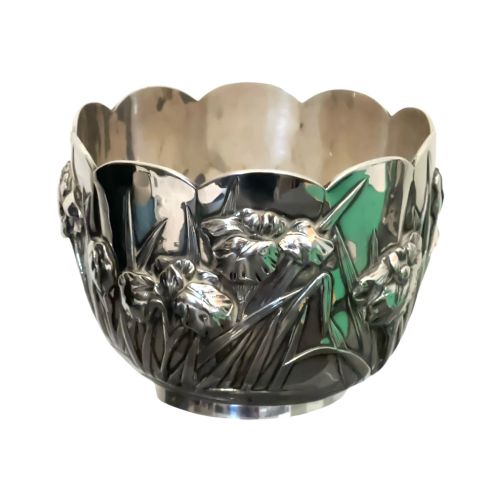
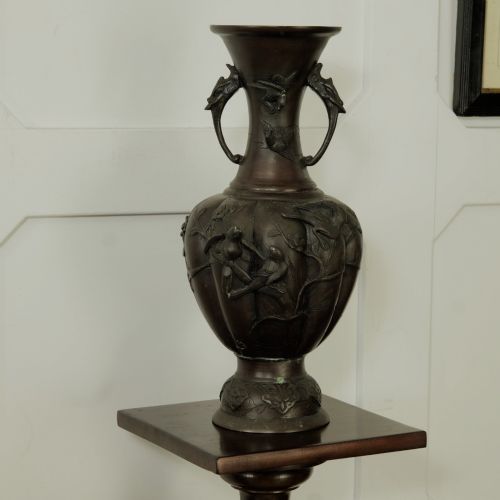
Japanese meiji period metalwork encompasses diverse objects created between the late nineteenth and early twentieth centuries, spanning the Meiji era reign from 1868 to 1912. The selection on this page centres on practical vessels and sculptural forms including vases, okimono figures, oil lamps, jardinieres, and decorative chargers.
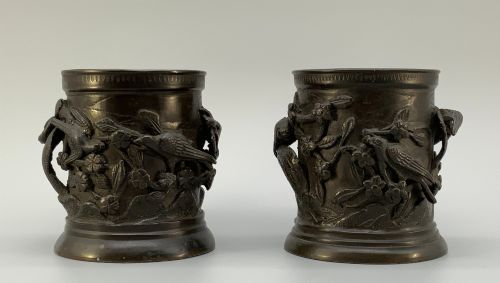
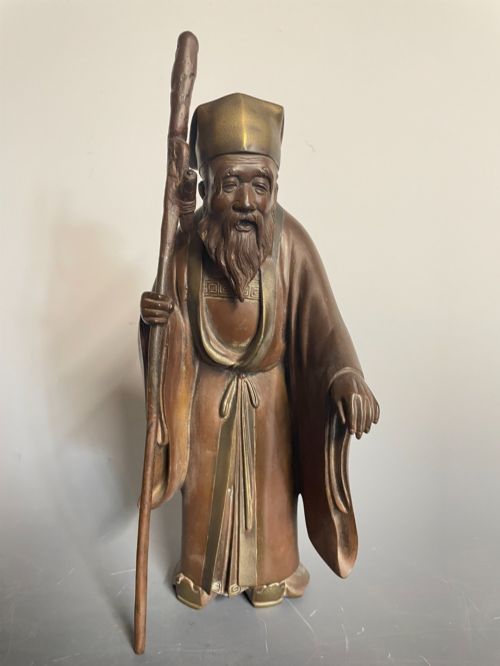
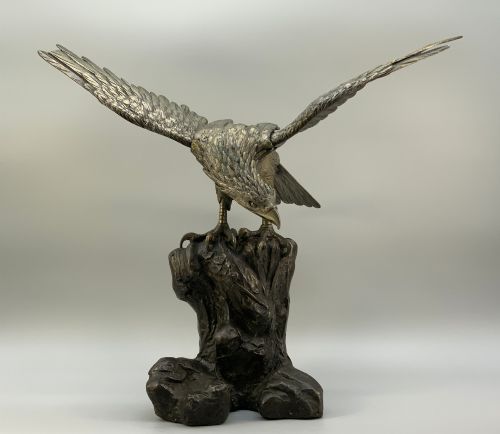
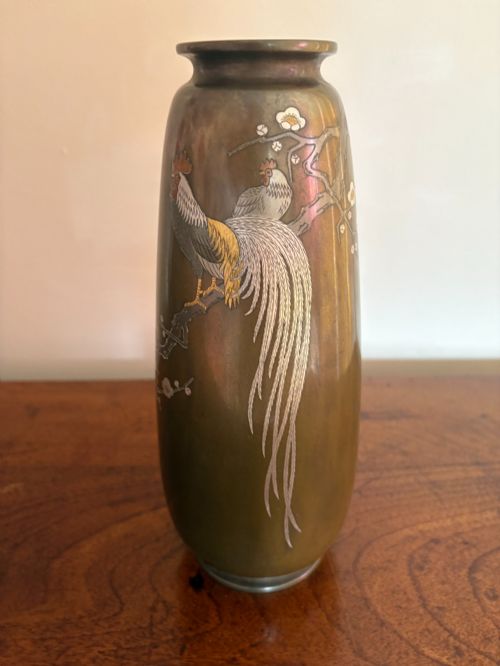
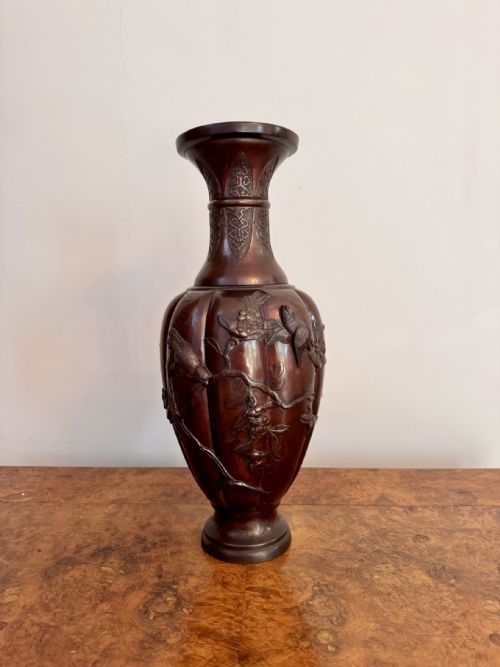
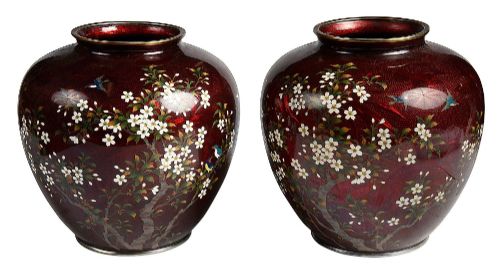
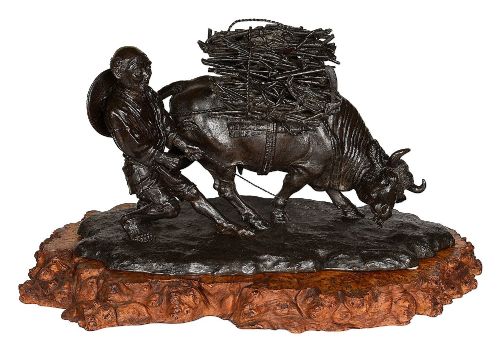
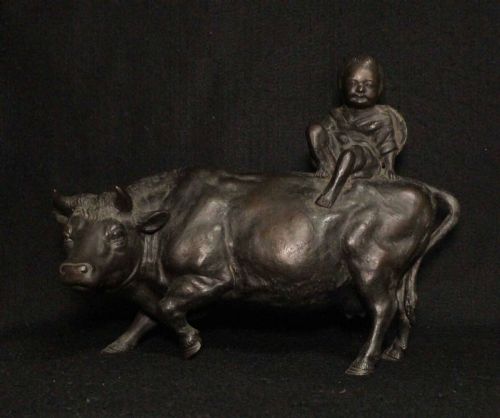
Vases and decorative plates dominate the material record, often paired to create symmetrical arrangements for mantelpieces or side tables. Sculptural subjects range from naturalistic animal groups, such as elephants fighting tigers and birds amongst blossom, to anthropomorphic figures and mythological creatures like dragons and phoenixes.
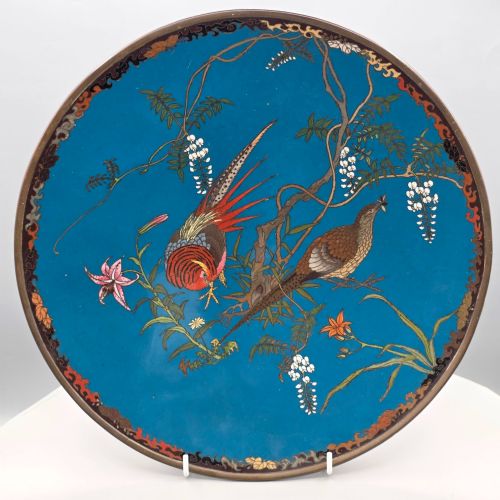
Makers utilised traditional casting and hammering techniques to produce items that served both domestic utility and international exhibition markets. Buyers encounter works cast in bronze, patinated metal, and silver, alongside enamelled cloisonné plates depicting native flora and fauna.
Materials and Technique
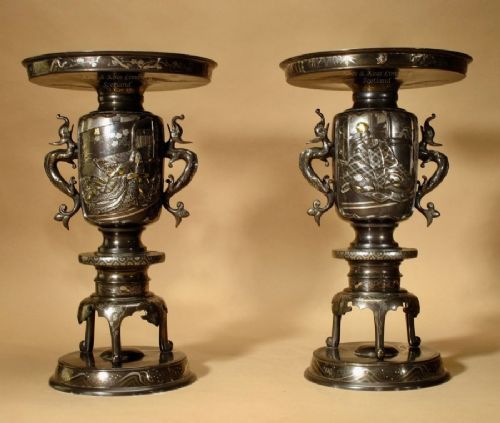
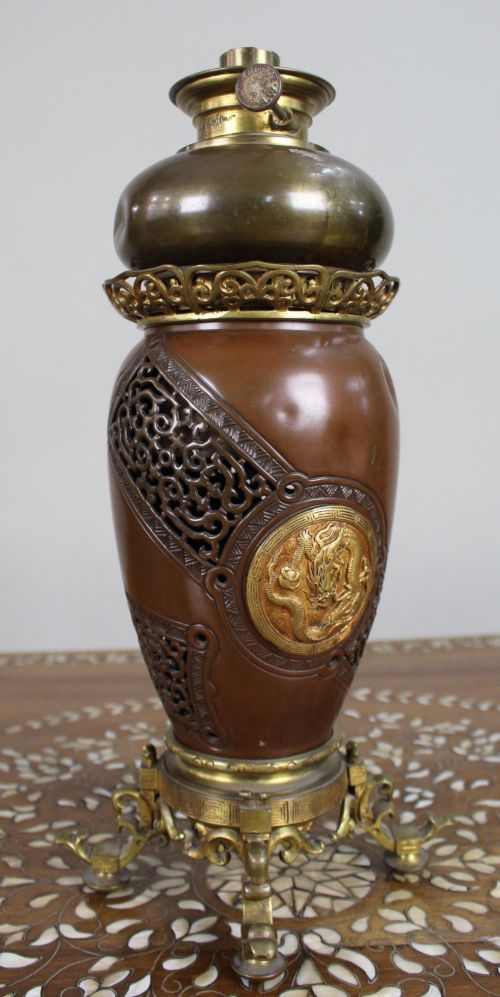
The objects rely heavily on bronze, copper, and brass as base metals, frequently treated with chemical patination to achieve deep brown, black, or reddish tones. Artisans applied gold inlay, silver, and shakudo to highlight specific details on the surface of vases and sculptural figures.
Cloisonne pieces integrate fine wirework grids fixed to metal bases, filled with coloured enamel pastes and fired multiple times to achieve smooth, patterned surfaces depicting birds, fish, and landscapes. Sculpted components such as okimono figures incorporate cast elements assembled with hidden pins and joints.
Listings feature items dated from the 1870s through to the 1920s, spanning the Victorian era and the 1900s.
Distinctions in Execution
Quality rests upon the precision of the chiselling, the depth and nuance of the surface patination, and the complexity of the inlaid metals. Master works display sharp definition in feathers, fur, and facial expressions without visible casting flaws or heavy seams.
Enamelled items differ according to the density and regularity of the wire cells and the absence of pitting or cracks across the glazed surface. Signed pieces by recognised artists or workshops demonstrate superior proficiency in balance, proportion, and compositional harmony.
KANASAWA·Jomi Eisuke·Kunio Itô·Tsunemitsu
The Japanese Meiji Period Metalwork Glossary
- Okimono
- A Japanese ornamental statue or object for display, typically placed in a traditional alcove or on a cabinet. These small-scale sculptures often depict animals, legendary figures, or daily scenes rendered in bronze, ivory, or mixed metals.
- Cloisonne
- An enamelwork technique where thin metal wires are soldered to a base to form compartments, which are then filled with coloured paste and fired. This method creates intricate patterns of birds, flowers, and geometric motifs across chargers and plates.
- Shakudo
- A Japanese billon alloy of copper and a small percentage of gold, treated with a chemical bath to produce a dark blue-black patina. It provides a rich ground for contrasting gold and silver inlay details.
- Patinated bronze
- Metal treated with acids, heat, or chemicals to alter its surface colour and texture rather than relying on paint. This process produces the aged brownish or dark greenish tones seen on nineteenth-century vessels and figures.
- Charger
- A large ornamental decorative plate intended for display on a wall or stand rather than for serving food. These pieces frequently feature elaborate enamel or metalwork scenes spanning dragons, landscapes, and floral arrangements.
Japanese Meiji Period Metalwork: Frequently Asked Questions
What is an okimono?
An okimono is a decorative standalone sculpture designed for interior display rather than religious or practical use. These figures often depict animals, mythical beasts, or everyday subjects cast in bronze or mixed metals.
Collectors prize them for their anatomical detail and animated postures, capturing fleeting moments like birds in flight or animals interacting in the wild.
How do I care for bronze?
Bronze objects require minimal intervention, needing only gentle dusting with a soft, dry cloth to prevent particulate buildup. Avoid using water, polishes, or chemical cleaners that can strip away the historical patination.
Keep the items away from direct sunlight and damp environments to preserve the stable metal surface and any inlaid gold or silver details.
Are these pieces signed?
Many objects carry artist signatures or workshop marks cast directly into the base or applied as a separate plaque. These signatures typically appear as Japanese kanji characters identifying the metalworker or studio responsible for the creation.
Not every piece is signed, as export items produced for Western markets sometimes omitted signatures or relied on general stamps.
What is cloisonne enamel?
Cloisonne is a decorative technique where thin metal wires are attached to a metal body to create outlined cells. These individual compartments are filled with vitreous enamel pastes before being fired in a kiln and polished flat.
The resulting surfaces present detailed pictorial scenes of birds, fish, and flowers trapped permanently within the fine wire matrix.